How Much Does It Cost to Rent a Mobile Kitchen? Pricing Guide

How Much Does It Cost to Rent a Mobile Kitchen? Pricing Guide

Home / Blog /  

How Much Does It Cost to Rent a Mobile Kitchen? Pricing Guide

Read summarized version with

Renting a mobile kitchen is one of the most flexible ways for chefs, caterers, event planners, and food entrepreneurs to deliver food without committing to a traditional brick-and-mortar kitchen. From festivals and pop-ups to emergency response and restaurant renovations, a temporary kitchen rental bridges the gap between demand and infrastructure. Understanding mobile kitchen rental prices, what impacts costs, and how to budget effectively can be the difference between profitability and overspending.

KEY TAKEAWAYS

  • Mobile kitchen rental costs change based on unit type, size, and rental duration.
  • Fully equipped mobile kitchen trailers typically cost more than basic kitchen trailers.
  • Total pricing includes add-ons like delivery, setup, utilities, permits, and cleaning.
  • Location and seasonality strongly influence mobile kitchen rental prices.
  • Choose only what you need to improve efficiency and keep operations cost-effective.

Why Mobile Kitchens Are in Demand

The overall food service on wheels market is experiencing a boom. The global mobile food services market was valued at approximately USD 23.17 billion in 2024 and is expected to grow substantially in the next decade.

Within that landscape, the mobile kitchen rental sector itself, which includes mobile kitchen trailers and temporary kitchen solutions, is expanding rapidly. In 2023, this specific market was valued at around USD 1.4 billion and could reach about USD 2.2 billion by 2030, growing along with trends in events, catering, disaster relief, and off-site service needs.

Typical Costs and Pricing Ranges
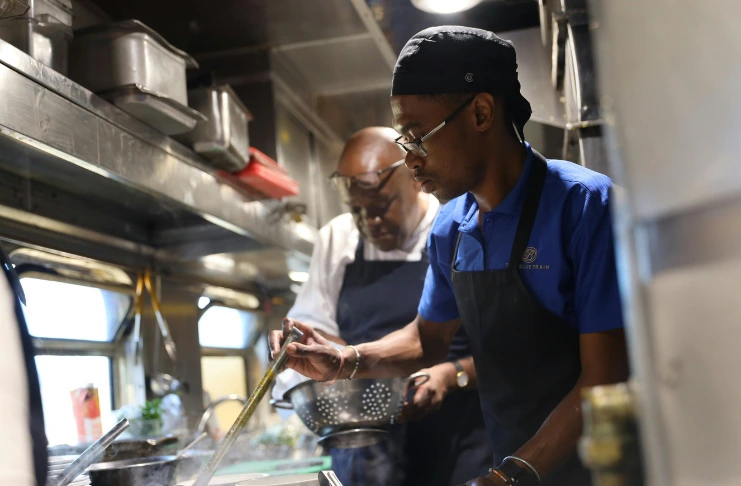
How much does it cost to rent a mobile kitchen?

One of the first questions that people ask is: “How much does it cost to rent a mobile kitchen?” There is no simple answer, but a few ranges in the industry will give you an idea of what to expect:

  • Temporary kitchen rentals for events or the weekend may cost between $250 and $2,000 per day, depending on the size of the unit and the equipment.
  • Weekly rentals may cost between $1,500 and $8,000.
  • Monthly commitments for more robust mobile kitchen trailers, especially those that are fully outfitted and engineered for extensive food prep, can range from $5,000 to $50,000+.

Another rental survey shows smaller food prep trailers may go for $1,500–$3,000/month, while full-service commercial units are often $6,000–$10,000 or more per month.

These ranges reflect how location, unit size, and configuration, including whether the trailer is fully equipped with commercial ovens, prep stations, refrigeration, and ventilation, dramatically influence costs.

What Drives Rental Prices
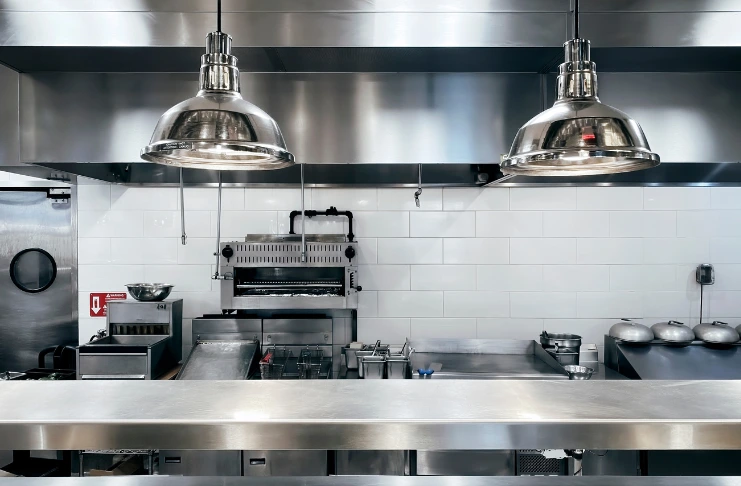
Several core factors shape real mobile kitchen rental prices:

Several core factors shape real mobile kitchen rental prices:

  • Type of trailer: A basic prep trailer will cost less than a larger chef-ready kitchen with multiple cooking appliances.
  • Equipment included: The number of burners, refrigeration capacity, storage, and sanitation stations all impact price.
  • Duration and seasonality: Longer rentals often mean lower daily rates, but peak seasons (like summer events) can drive prices up.
  • Logistics and access: Delivery distance, site location, and ease of setup can add to total costs.
  • Utilities and permits: Adding generators, propane tanks, or water tanks, or incurring permit fees, can quickly raise budgets.

Ultimately, the flexibility that mobile kitchen trailers offer, being able to take a full food service operation to virtually any site, is what keeps demand strong across multiple industries.

Efficient Usage and Savings Tips

Because renting a temporary kitchen can be a significant investment, savvy planners focus on efficiency and value:

  • Book well in advance for large events to secure better rates.
  • Match the unit’s capabilities to your actual needs, and avoid paying for equipment you won’t use.
  • Where possible, choose sites with existing power or water hookups to reduce generator or utility costs.
  • Work with rental companies that bundle common add-ons into affordable mobile kitchen rentals.

INDUSTRY INSIGHT

Beyond cost management, the convenience of testing markets, serving crowds at high-traffic venues, and operating without long-term leases makes mobile kitchens a powerful business model. In fact, the broader food truck market, closely related to mobile kitchens, is projected to keep growing strongly, with some reports forecasting the global segment to reach around USD 7.87 billion by 2030.

Conclusion

Whether you are catering a wedding, participating in a food festival in the city, or continuing to operate while renovating your kitchen, it is important to understand how to budget and compare mobile kitchen rental prices. By having a clear understanding of the price ranges and factors that influence them, you can launch a culinary business that is both profitable and well-run.

Frequently Asked Questions

1. How much does it cost to rent a spot for a food truck?

Food truck parking spots typically cost between $200 to $1,000 per month, depending on location, foot traffic, event type, and city regulations governing mobile food operations.

Renting a kitchen is commonly called a commissary kitchen, shared kitchen, or temporary kitchen rental, where food businesses use licensed commercial facilities without owning a permanent space.

A small commercial kitchen usually costs between $15,000 and $50,000 to build, covering equipment, plumbing, ventilation, permits, and basic layout, depending on local regulations and operational requirements.

Newsletter subscription banner

Talk to a restaurant expert today and learn how Restroworks can help your business.

Request Demo >

Share

Discover More Insights to Power Your Journey

Employee Training Modules for New Restaurant Chain Software: Improve Adoption & Efficiency

First of all, let us congratulate you on bringing in a new restaurant management platform, because you wouldn’t have looked…

Building a Forecasting Culture in Restaurants: Strategies for Data-Driven Success

For the most part, most owners have received the message that restaurant forecasting is essential. Some have invested in the…

Crisis Management Plan for Restaurant Chains: Strategies to Protect Operations & Reputation

Not to jinx, but what if your kitchen were on fire today? Seriously, how ready do you feel you are…

POS
Best bakery POS system
8 Best Bakery POS Systems & Software – Experts Pick [2026]

Here’s something interesting. The bakery industry is one of the fastest-growing adopters of management technology in foodservice, with the bakery…

Analyzing Sales Patterns in Restaurants: Improve Forecasting & Profits

Restaurants collect thousands of data points daily. Amount of orders, hours worked, inventory used, buying habits, delivery channel distribution, and…

Forecasting Beverage Sales in Restaurants: Strategies to Predict Drink Demand

There’s a very famous quote:"Companies that aren't good at budgets aren't good at predicting the future. If you're not good…

Join. Learn. Grow.

Sign up to receive the latest hospitality insights and stories straight to your inbox

Streamline your operations with Restroworks