
In the food and beverage industry, increasing revenue is often associated with attracting more customers. However, one of the most effective ways to improve profitability is not necessarily acquiring new guests but maximizing the value of each guest interaction. This is where cross-selling and upselling come into play.
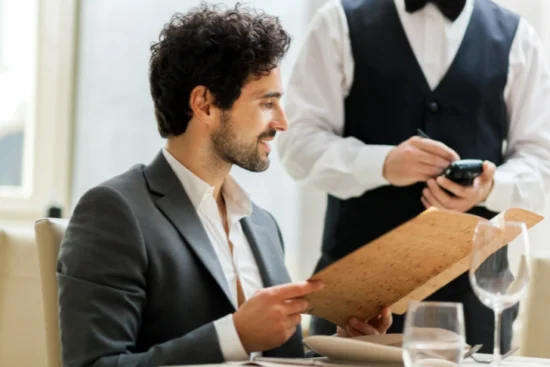
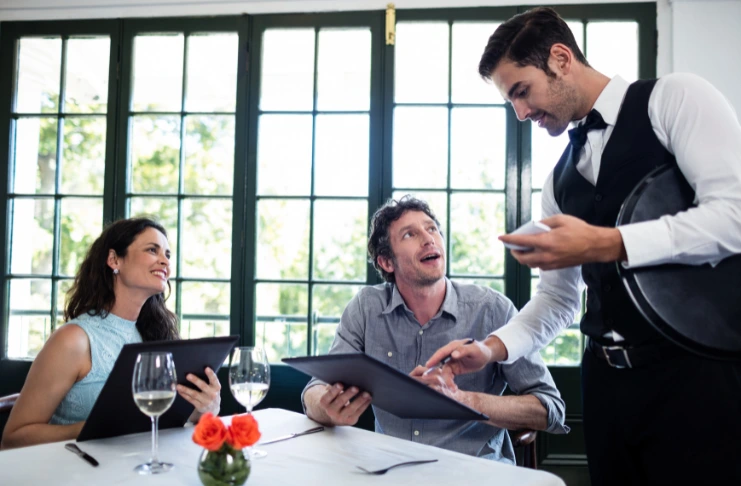
Traditionally, these techniques relied heavily on the skill and initiative of service staff. Restaurant staff recommending a dessert or suggesting a premium beverage was often the difference between an average check and a profitable one.
Today, technology is transforming this process, making recommendations more consistent, personalized, and data-driven than ever before. The result is a powerful combination of enhanced guest experience and increased revenue.
Upselling means encouraging customers to purchase a higher-value version of their selected item. Examples would be upgrading from a regular coffee to a specialty brew, choosing premium seafood instead of a standard option, or selecting a larger portion size.
Cross-selling means encouraging customers to purchase complementary items. Examples would be adding fries with a burger, pairing wine with a meal, or suggesting dessert after the main course.
Both strategies increase average order value while enhancing the dining experience when executed thoughtfully.
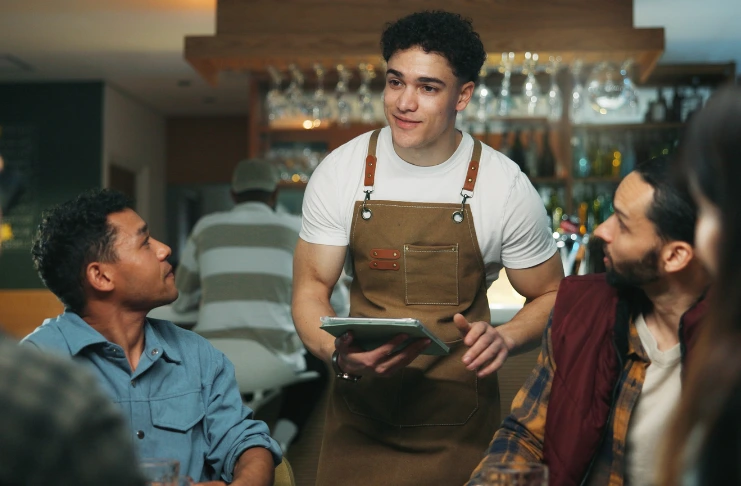
Traditional approaches fall short because historically, success depended on staff training, individual sales skills, product knowledge, and confidence. However, restaurants often face challenges such as high employee turnover, inconsistent recommendations, busy service periods, and a lack of visibility into guest preferences. As a result, many upselling opportunities are missed.
Technology helps eliminate these inconsistencies. The evolution of technology-driven selling means modern hospitality systems have transformed recommendations from guesswork into science.
Today’s technology can analyze past purchase behavior, guest preferences, spending patterns, seasonal trends, and inventory levels. This enables restaurants to present highly relevant recommendations at exactly the right moment.
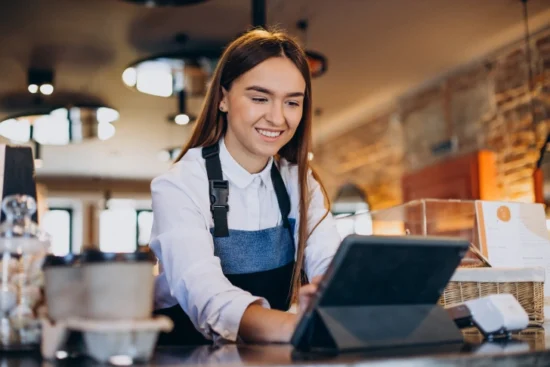
For years, point-of-sale systems were viewed primarily as transaction-processing tools. Today, advanced POS platforms have evolved into intelligent revenue management systems.
Modern POS solutions can suggest complementary items automatically, recommend premium alternatives, identify popular combinations, and track conversion rates.
For example, a guest orders a steak. The POS prompts the server to recommend a premium red wine pairing. The recommendation is timely, relevant, and more likely to be accepted.
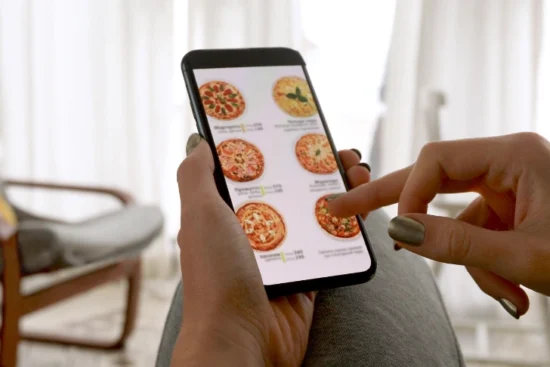
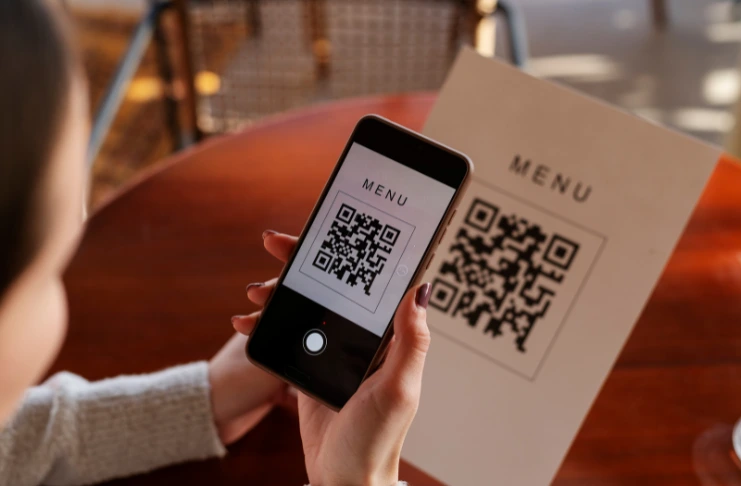
Digital ordering channels have become powerful cross-selling platforms. Whether guests order through mobile apps, websites, self-service kiosks, or QR code menus.
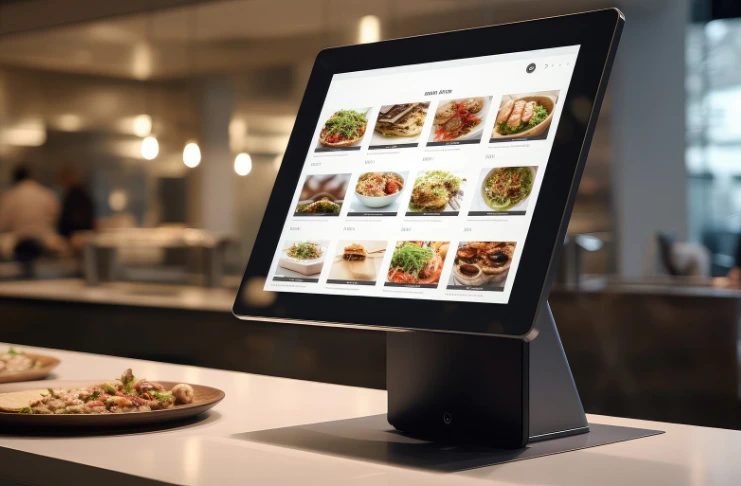
Technology can instantly generate personalized suggestions. Think of how streaming services recommend content. Restaurants are beginning to use the same logic: “Customers who ordered this dish also enjoyed…” The recommendation feels helpful rather than sales-driven.
The future of upselling is not about selling more. It is about selling smarter. By leveraging guest data, restaurants can create recommendations based on purchase history, occasion, spending patterns, and premium suggestions for high-value guests.
Artificial Intelligence is taking cross-selling and upselling to a new level. Instead of reacting to orders, AI predicts what guests are likely to purchase.
For example, a system may identify that guests ordering spicy food frequently add yogurt-based beverages. Families often order desserts after specific meal combinations. Business diners prefer premium beverage pairings. The system can then proactively suggest these items. This transforms upselling from an art into a repeatable process.
One of the most innovative applications is linking recommendations with inventory management. Imagine promoting dishes using ingredients nearing expiry. Recommending high-margin items currently overstocked. Highlighting seasonal specials based on availability.
This creates a win-win scenario with increased sales, reduced waste, better inventory utilization, self-service kiosks, and QR Menus. Studies consistently show that digital ordering platforms often outperform human servers in upselling because they never forget to recommend, and they remain consistent.
They can present visually appealing suggestions. They eliminate the pressure some guests feel during face-to-face interactions.
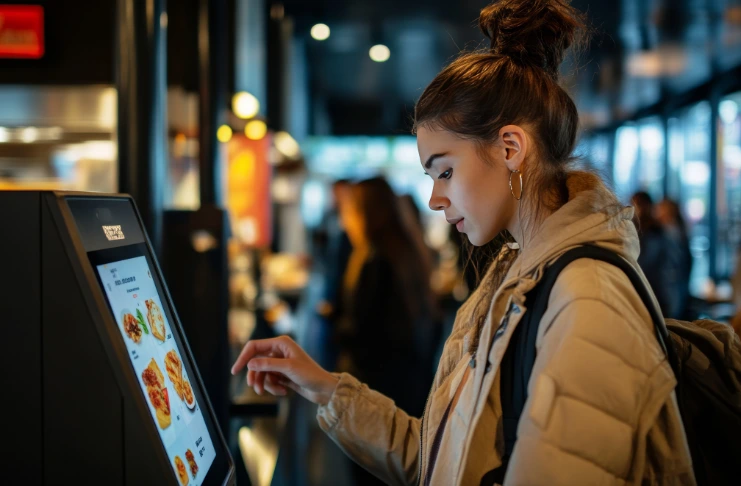
A well-designed digital menu can significantly increase average check values through strategic prompts and visual merchandising. Technology also enables operators to measure effectiveness with precision. Key metrics include average check value, how often recommended items are accepted, and which recommendations generate the highest response.
How much additional revenue is directly attributable to upselling efforts? These insights allow continuous optimization.
While technology offers tremendous opportunities, there is a fine line between helpful recommendations and excessive selling. Poorly executed systems can overwhelm guests, create decision fatigue, and damage the dining experience.
The goal should be to enhance the guest journey, not interrupt it. Recommendations must be relevant, timely, personalized, and value-driven.
The next generation of hospitality technology will combine AI, customer data platforms, POS systems, loyalty programs, voice ordering, and digital menus together; these technologies will create highly personalized guest experiences where recommendations feel natural and intuitive.
In the future, guests may receive suggestions that are context-aware, behavior-driven, and predictive rather than reactive. The restaurant will know not just what guests ordered, but what they are likely to enjoy next.
Cross-selling and upselling have always been powerful tools for increasing restaurant revenue. What has changed is the way they are executed.
Technology is enabling restaurants to move from generic recommendations to personalized suggestions, from manual selling to automated intelligence, and from missed opportunities to consistent revenue generation.
The most successful restaurants of the future will not simply serve food; they will use technology to understand guest preferences, anticipate needs, and create meaningful recommendations that enhance both the dining experience and the bottom line.
In an industry where margins are constantly under pressure, every interaction matters. Technology ensures that every interaction becomes an opportunity to deliver greater value to the guest and to the business.