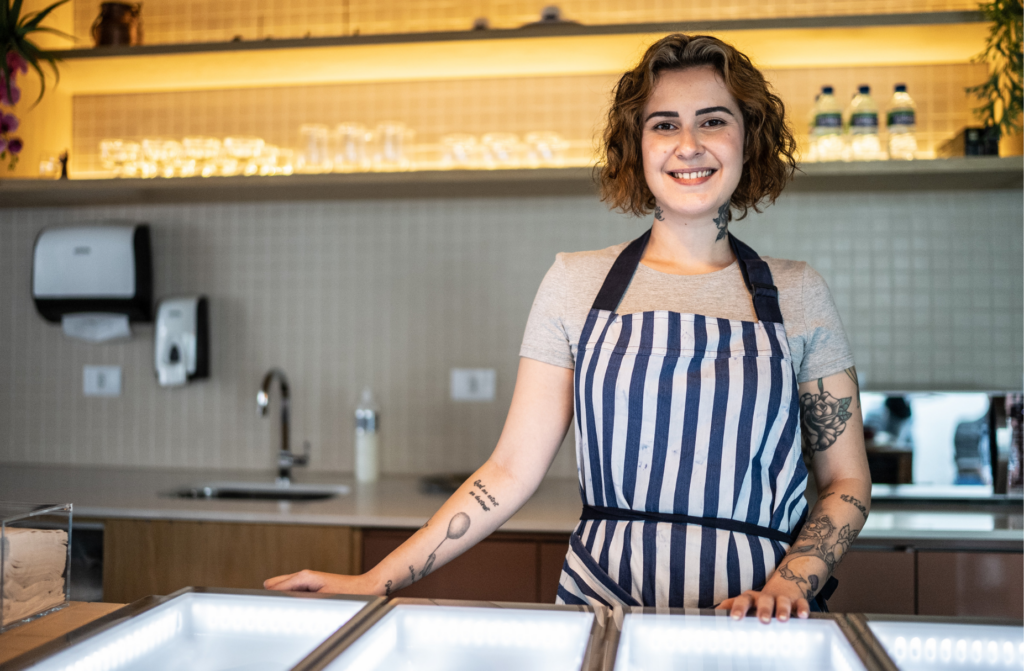

It’s obvious that when we think about a cafe, as operators, the first thing we think of is coffee…like selling good coffee; that’s the main job, right? But do you know what customers nowadays think of when it comes to a cafe? The aesthetics, the coffee, the peace, & the vibe they can enjoy with their friends and date.
One powerful way to make sure that these customers keep choosing you over your competitors is through loyalty programs. In fact, there are many modern-day tools to make it happen in a structured way. Like, consider a cafe POS- a lot of them come with features to make loyalty programs work without you needing to make any extra manual effort. Some do have built-in features, while some allow for integrations as per your choice.
When loyalty programs are connected to a point of sale system, every purchase, every reward, and every customer interaction can be tracked and recorded automatically.
This article explains how managing loyalty programs via cafe POS works, what it takes to set one up, and how it affects customer retention, customer engagement, and revenue.
What You’ll Learn
- How does a cafe POS system run loyalty programs and rewards programs without you having to do any sort of manual tracking?
- Which loyalty scheme types work best for cafes and restaurants, and how can you actually design one?
- How can you use customer data, customer feedback, and customer preferences to make sure your loyal customers keep coming back again and again?
What Is Customer Loyalty and Why Is It So Important for Cafes?
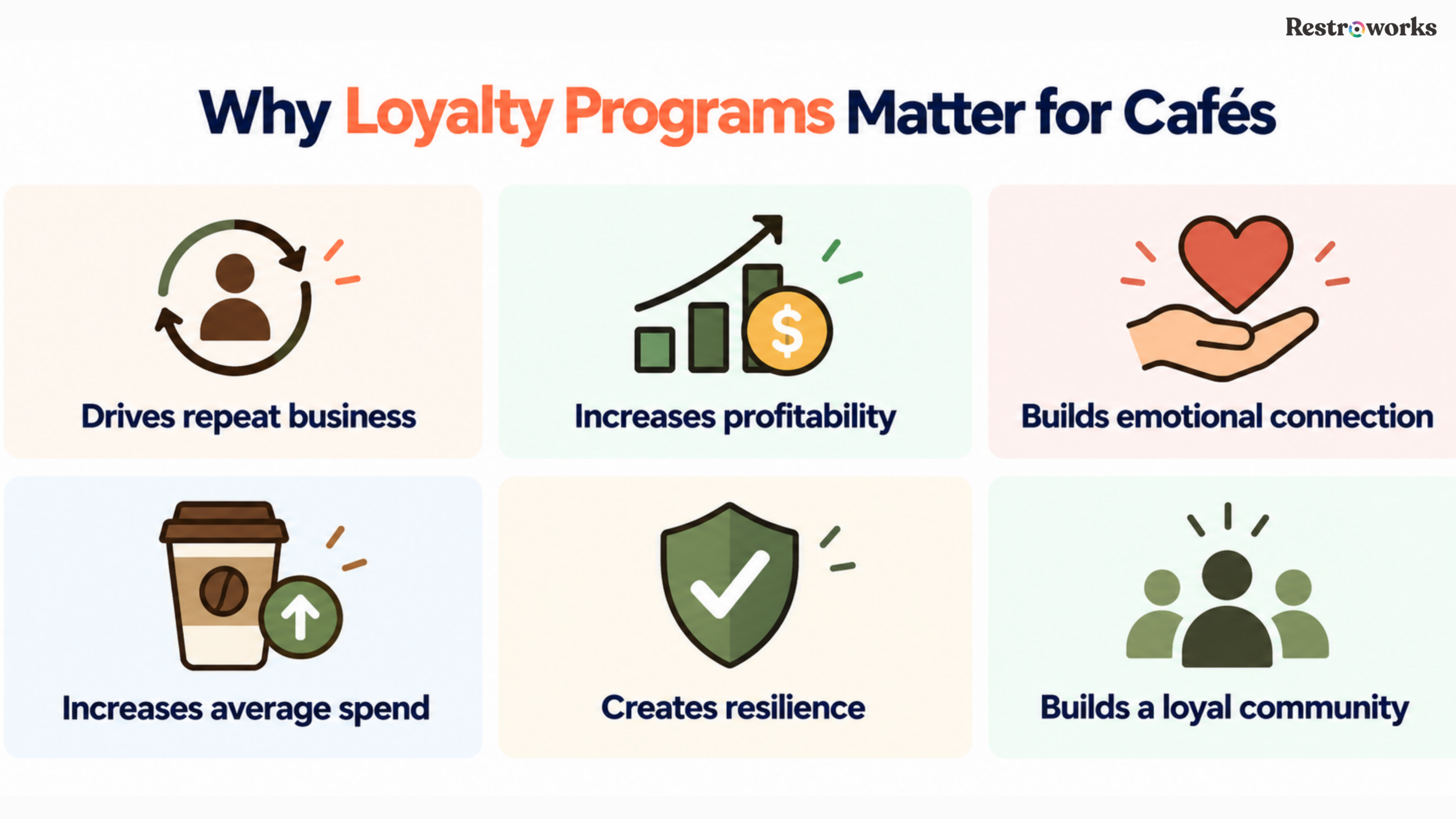
If we have to explain customer loyalty in very simple terms, it would be this: Customer loyalty means the tendency of a customer to keep choosing the same restaurant or cafe over every other option that may be available nearby. Strong loyalty can be gauged through repeat visits and is built when you provide your customers with consistent service (very high-quality) and a sense that the cafe understands what its customers actually want. You need to be at the top of customer interactions to make people feel recognized and give them consistent quality every single time they walk through your doors.
Even Jeffrey Gitomer says, “Customer satisfaction is worthless; customer loyalty is priceless.” Why? Because if there’s a satisfied customer, he/she may still opt out and choose another option that, let’s say, offers cheaper coffee, but with a loyal customer, you can be assured that they are going to return because of the relationship that you guys have nurtured. That is why restaurant loyalty programs and cafe reward programs are so important – they turn one-time transactions into a long-term relationship and help build a loyal customer base over time.
How Does Customer Data Improve Loyalty Programs?
See, when you’re building a loyalty program, you would need at least some sort of data that tells you about your customer, what they prefer, how many times they visit, at what price point they usually order, etc. This is what is called customer data.
By using this data, a cafe can build targeted marketing campaigns, personalized offers, and reward programs that actually match customer behavior.
Where do you get this data? The best way is to look into the cafe POS system you’re using. These platforms collect customer data automatically as and when a transaction happens. They then segment customers based on their purchase history, which allows you to launch more targeted promotions and personalized offers.
Integrating customer data into service processes allows businesses to create more tailored interactions, which eventually makes customers feel valued and understood, and therefore leads to increased customer retention and satisfaction.
Keep in mind that when you’re collecting customer data, or even during POS system integration itself, it is very important to go big on data security as well. You might need to prove that you comply with standards like PCI DSS to protect customer profiles and transaction records.
Why Is Customer Satisfaction the Foundation of Repeat Business?
Well, this is kinda obvious because if your customer is not satisfied, no matter what loyalty scheme you employ, it’s a waste. Yes, we know Jeffrey Gitomer said that customer satisfaction is worthless, but the point is that, for converting a customer into a loyal one, the first thing to make sure of is that they leave satisfied enough to even consider coming back again.
And the best part is that a cafe POS system really does help when it comes to customer satisfaction, as it helps with faster checkout, accurate orders, real-time inventory management, offline billing, etc., so customers don’t have to hear “We’re out of this product,” “We can’t bill you right now because there is no internet,” or “Sorry, this is taking too long.”
Moreover, POS systems reduce customer wait times by automating order taking and payment processing, which then leads to improved customer satisfaction and a more engaging cafe environment overall.
Real-time inventory tracking through a POS system also helps cafes maintain stock levels so they can be 100% sure they are never out of popular items. This way, customer satisfaction remains consistent, and thus customers choose to join loyalty programs.
Also, let us tell you that 89% of customers say they are more likely to be loyal to a brand that shares their values, which again highlights how important it is to align customer experiences with their personal beliefs.
How Do Customer Loyalty Programs Work Through a Cafe POS System?
Customer loyalty programs run on data and consistency. A customer loyalty restaurant POS system integrates loyalty programs directly with your POS, allowing staff to enroll customers and track rewards, which encourages repeat business through a points-based system, tiered rewards, and exclusive offers. This removes the need for separate loyalty cards or spreadsheets, and it means loyalty points and rewards update the moment a purchase is made.
Most cafe loyalty programs use one or a mix of these structures:
Through a point-based system, customers can earn points for every single dollar spent, and they can redeem those points in exchange for a discount on their next order or get free items worth that much. Tiered reward systems allow customers to access more valuable benefits as they increase their spending…like the more you spend, the more you win.
Visit-based loyalty programs are those that track customers’ visits automatically and reward them for however many times they return. This is almost exactly like traditional punch cards. In subscription models, customers pay a recurring fee for which they get some kind of benefit whenever they visit the cafe – it’s one great way to create predictable revenue streams.
When you implement a customer loyalty restaurant POS system, it dramatically simplifies the enrollment process because then you can easily collect basic customer data and use it to guide you into making better schemes.
At-checkout sign-up is another excellent way to allow customers to enroll quickly into the loyalty program while they are already making a transaction at the terminal. The system records their phone number and email, and that’s it, really, by providing their phone number or email at the terminal. This matters because complex reward structures can deter customer participation if they are difficult to understand, so the new loyalty program should be simple to join and simple to use.
What Drives Customer Engagement at the Point of Sale?
Customer engagement happens at the exact moment of the transaction. This is where a cafe POS system has the biggest impact, because it can offer rewards, show loyalty point balances, and apply discounts instantly. Real-Time Syncing of loyalty rewards at checkout enhances customer engagement by providing immediate feedback.
Gamification elements, such as digital badges or progress bars, can motivate customers to engage more with the loyalty program. Showing a customer they are “3 stamps away from a free coffee” keeps them engaged and motivated to return.
Automated communication, like SMS or email alerts for rewards or points expiration, fosters customer engagement outside the store as well, reminding loyalty program members to come back before their points lapse.
How Do You Keep Customers Satisfied After Their First Visit?
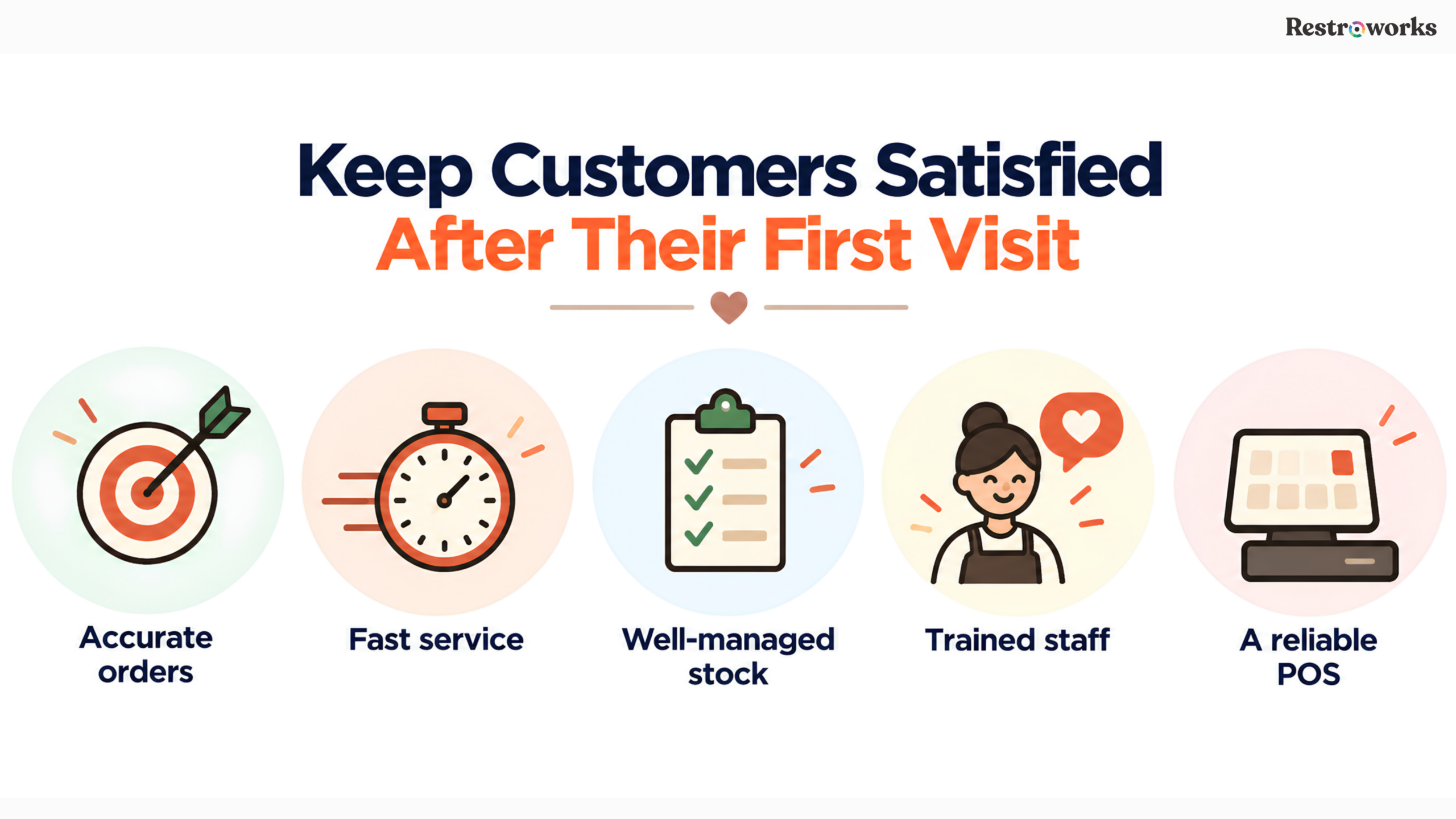
Honestly, we’d say that if it’s a customer’s first time at your cafe, it’s super simple to satisfy them. What’s more difficult is to keep them satisfied on every visit they make afterward. That is why it is very important to be consistent with how you serve them, and that’s possible only if your cafe POS system can remember every customer’s order at each visit perfectly.
And needless to mention that order accuracy, fast service, and reliable stock levels all depend on how well your back-end system works.
Yes, at this stage your staff needs to be proactive as well. Trained staff can promote sign-ups and explain benefits to customers much more easily than, let’s say, you bring a noobie and don’t train them. Because if your cashier isn’t confirming, “Are you a member?”, no matter how much you improve your scheme, enrollment will still be very low. So, what do you need to do to keep customers satisfied at every visit? Invest in two things: staff training and a POS system – both should be working in sync right from day one.
Remember: “The easiest and most powerful way to increase customer loyalty is really very simple. Make your customers happy,” says Kevin Stirtz
Why Is Customer Feedback Important for Loyalty Programs?
Customer feedback tells a cafe what is working and what isn’t, directly from the people spending money there. Collecting customer feedback through integrated systems allows businesses to gain real-time insights into customer satisfaction and preferences, which can be used to improve service and offerings.
If you can encourage customers to provide proper feedback after their visit, it will help you identify which areas you should rework and thus increase your chances of enhancing overall customer satisfaction for every other customer who visits the next time.
Also, utilizing customer feedback effectively can lead to improved customer retention rates, as businesses that act on feedback tend to demonstrate that they really value customer opinions and are committed to enhancing their experience.
Plus, if you can do this, try to include a short feedback prompt on a digital receipt. This prompt can be linked to either your social media channel or a quick survey, both of which will help you start collecting customer data much more quickly.
How Can Customer Preferences Shape Personalized Rewards?
Once your loyalty program is well-connected to your POS, what will happen is that your customer preferences will be recorded automatically at the terminal, and by using their purchase history information, you will be able to create much more targeted promotions, like this: if a customer orders more when you give a discount, then give them discounts on their favorite items (and even your premium items). Plus, you can also create very personalized reward offers for each of your customers without needing to sit with each data point yourself. A customer who always orders an oat milk latte should not be getting a coupon for a drink they never buy – that would be useless for them.
By offering personalized customer experiences, you’re basically making sure that you are achieving high customer satisfaction and loyalty, and this is only possible if you can tailor your offers, recommendations, and rewards based on individual preferences and purchasing history. This is also where focusing rewards on high-margin items, like drinks, is more profitable than offering rewards for lower-margin food items, since the cafe controls which products are pushed through personalized offers.
INDUSTRY INSIGHT
Omnichannel Integration helps customers earn and redeem rewards across in-store, online, and mobile app platforms, so a loyal customer base isn’t split between separate online and offline accounts.
As W. Edwards Deming said, “Profit in business comes from repeat customers,” and the best loyalty programs are simply the most efficient way of generating those repeat customers.
What Are the Financial Benefits of a Loyalty Program?
The financial benefits of a well-run loyalty program show up in two places: more repeat business and higher average spend per visit. A well-structured loyalty program can significantly improve customer retention rates, with good retention considered to be between 60% and 70% for restaurants. Encouraging customers to return through bonus points, valuable rewards, or exclusive rewards costs less than acquiring new customers through advertising.
Integrating loyalty programs with POS systems allows businesses to automatically capture customer data, which can be used to create targeted marketing campaigns and optimize loyalty offerings. A POS system streamlines operations by automating tasks such as transaction processing, inventory updates, and sales reporting, which enhances overall efficiency in cafes, and that efficiency reduces the cost of running the loyalty scheme itself. Regular review of loyalty program reports is necessary to ensure effectiveness and profitability, since a program that isn’t reviewed regularly tends to quietly stop delivering financial benefits.
How to Set Up a Loyalty Program Through a Cafe POS System
Setting up a new loyalty program does not need to be complicated. Here is a basic sequence most cafes follow:
- Choose a loyalty software or app that integrates with the existing POS system rather than running as a separate tool.
- Define the reward structure, be it points-based, tiered, visit-based, or subscription-based, based on how often customers visit.
- Train staff to ask every new customer to join at checkout, since enrollment numbers drop fast without this step.
- Set communication rules: Sending too many messages may sometimes backfire. If you send more than 6 messages per month, the notification opt-out rate among members jumps from 3% to 15%, so a maximum of 3–4 meaningful messages per member per month is the safer target.
- Monitor key metrics monthly, including enrollment rate, redemption frequency, and average spend per member, all available through the POS reporting dashboard.
Key metrics to monitor include customer enrollment rates, reward redemption frequency, and average spend per member. To effectively implement a loyalty program, restaurants should regularly monitor their success through their POS system’s reporting tools and adjust rewards, thresholds, and promotions based on customer feedback and program performance.
How Can Loyalty Programs Help Attract New Customers and Keep Existing Customers?
In today’s competitive market, cafes need loyalty programs that do two jobs at once: bring in new customers and keep existing customers from drifting to a competitor down the street. These are different goals, and restaurant loyalty programs need to be designed with both in mind.
To encourage customers to try the cafe for the first time, a new loyalty program usually offers a small welcome reward, which is basically a discount or a free item just for signing up. This is how a cafe can answer the question of how many customers actually convert from a one-time visitor into a regular customer: track sign-ups against second visits. Once existing customers are enrolled, the goal shifts to motivating customers to keep choosing the cafe through bonus points, free coffee on a birthday, or other valuable rewards.
Almost every customer (frequent customers in particular) tends to respond really well to recognition, especially when they feel appreciated by small, personal gestures you make. Plus, when they are recognized, customer spending increases too, and loyalty members also become more engaged with the brand.
What we mean to say is you can’t guarantee a customer will become loyal if you throw in one big reward every year, but if you’re consistent with how you make them feel right from the moment they look at your Instagram post to when they walk out the door, they will remain loyal.
Now, below are a few practical tips that we’ve gathered from talking to all our cafe clients that they say help them increase customer satisfaction and keep customers engaged:
- Reward customers with bonus points at every spend and even bigger rewards if they consistently turn in during slow hours.
- Send a personal note or small reward to regular customers on their account anniversary.
- Use customer management tools in the POS system to flag customers interested in specific products.
- Encourage repeat purchases by reminding loyalty members when they’re close to earning a reward.
Increasing customer engagement this way encourages repeat business without needing constant discounts, which protects margins while still helping create repeat customers out of first-time visitors.
How Does Social Media Support Restaurant Loyalty Programs?
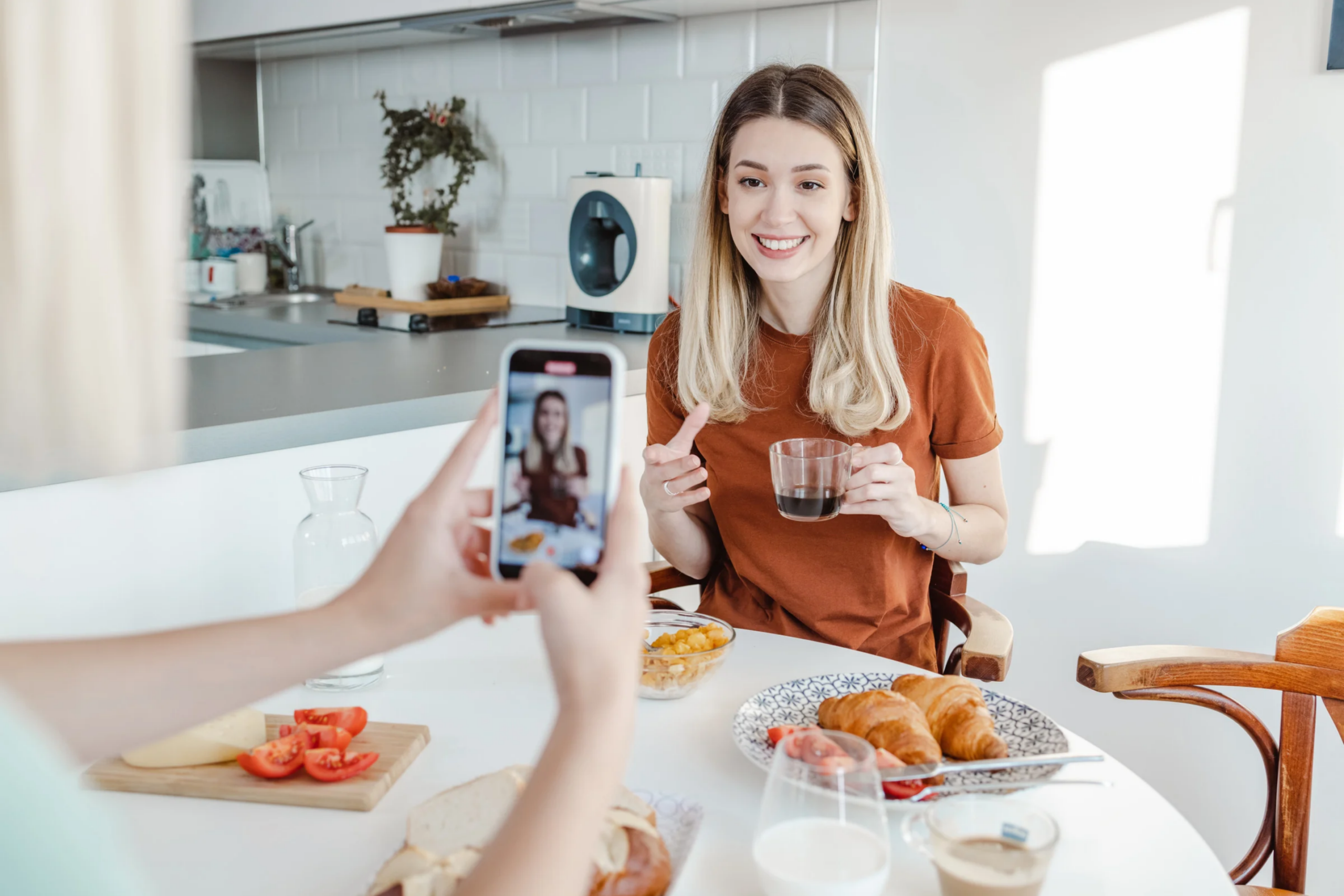
Well, when it comes to social media, its biggest job is to get the word out (like, yes, you exist, and this is what you’re offering right now) so as to keep regular customers connected to your brand even when they are not visiting right then.
As for the post itself, you can try being creative with trendy reels, collaborating with influencers, posting about your recently launched app where you’re offering a 50% discount, highlighting limited-time rewards, interviewing your chef/baker, or maybe just reminding followers that if they visit between so and so date, they will get something exciting – this is really important because not every customer reads in-store signage (and how can they, if they are not visiting? That’s where social media comes in). In fact, you should do both – put in-store sign-up options as well as do social media promotions. Together, they are sure to drive faster enrollment growth than if you just rely on the POS terminal alone.
Try to post, maybe on your Instagram story, that you’re offering free coffee for new loyalty program members the following week, and you’ll see a noticeable spike in customers coming through the door. Take this a level further by pairing the post with a QR code that lets them enroll automatically.
Moreover, if there are a few customers who haven’t visited your cafe for a long time, social media can encourage them to return, for maybe a seasonal reward and a quick reminder of their unused loyalty points that may expire soon.
Remember this well: Restaurant loyalty programs that use both the POS system and social media together get the most out of each channel.
But, again, none of this will work without consistency. Loyal customers are not created by one good loyalty program campaign; they’re created by dozens of small interactions that add up over months.
And this is where a cafe POS system comes in handy. It makes it possible to engage customers at scale because, with it, you can structure and manage every loyalty program, every rewards program structure, and every personalized offer from the very same system that already handles all the transactions.
Also, to encourage customers to join the program in the first place, make sure you’re not overwhelming them with tons and tons of questions. Keep the ask very simple at the register. Then, to encourage repeat business after that, use your POS system to track points, send reminders, and flag when loyal customers are close to earning a reward.
When you are building towards brand loyalty, it is important that it is structured in such a way that customers barely have to think about it. Have a system that works in the background. Over time, this is also what helps customers pay a little more per visit and helps cafes encourage repeat visits without having to lean on unnecessary discounts.
Always keep this thing in mind: whichever cafe treats its loyalty program as one core strategy of its daily operations will for sure see increasing customer loyalty numbers in the long run.