Data has it that the global mobile food cart market will grow at a CAGR of 7.2% between 2023 and 2032, hitting an estimated USD 4.8 billion in revenue. Behind this growth are factors like low startup costs, rising urban foot traffic, and ever-evolving consumer eating habits.
Now, the real question: What’s in it for you? Simply put, an opportunity to enter a fast go-to-market with minimal overhead and scalable margins. Because if you have been looking long to enter the F&B industry, this combo is a real steal.
That set, this comprehensive guide breaks down exactly how to start a food cart and scale it to profit. But before that, let’s get your fundamentals right.
What you will learn
- What is a food cart business?
- How to choose the right concept, menu items, and format for a food cart?
- The permits, licenses, equipment, and planning required to operate legally and efficiently
- How to attract more customers to your food cart?
What is a Food Cart & What Makes it Different?
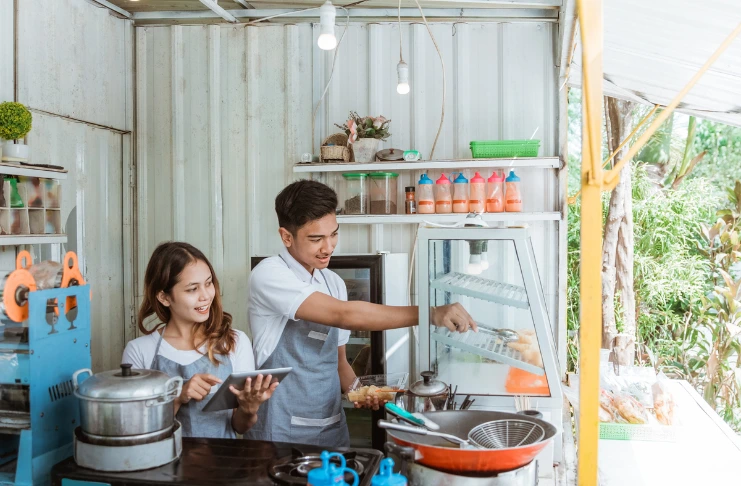
A food cart is a compact, non-motorized unit that has highly focused menu offerings, especially in high-footfall public spaces. Unlike a traditional restaurant, it is built for simplicity, speed, and low operational costs.
Most food carts are either stationary or manually pushed to one location. Dishes served here rely on pre-prepared ingredients and minimal cooking equipment.
Because of their small footprint, they typically sell single-item or narrow-category offerings.
This business plan prioritizes volume, location advantage, and repeat foot traffic over menu depth.
How does it differ from other mobile food formats? Here’s an overview:
| Criteria | Food Cart | Food Truck | Food Trailer | Pop-Up / Temporary Stall |
|---|---|---|---|---|
| Mobility | Manually moved or stationed | Fully motorized - relocates daily | Towable - requires a separate vehicle | Fixed for the event or lease period |
| Startup Cost | Very low | High | Medium to high | Low to medium |
| Kitchen Setup | Basic equipment, limited prep | Full commercial kitchen | Full kitchen - more space than carts | Temporary or modular setup |
| Menu Scope | Narrow, focused | Broad and flexible | Broad | Flexible but often constrained |
| Licensing Complexity | Lowest | Highest | Moderate | Depends on the venue and city |
| Operating Overheads | Minimal | High (fuel, maintenance, insurance) | Moderate | Low but inconsistent |
Should You or Should You Not Start a Food Cart Business?
A food cart may look deceptively simple to set up and run, but there’s another side to it as well. Below are the pros and cons of the format so you can pressure-test yourself before you commit:
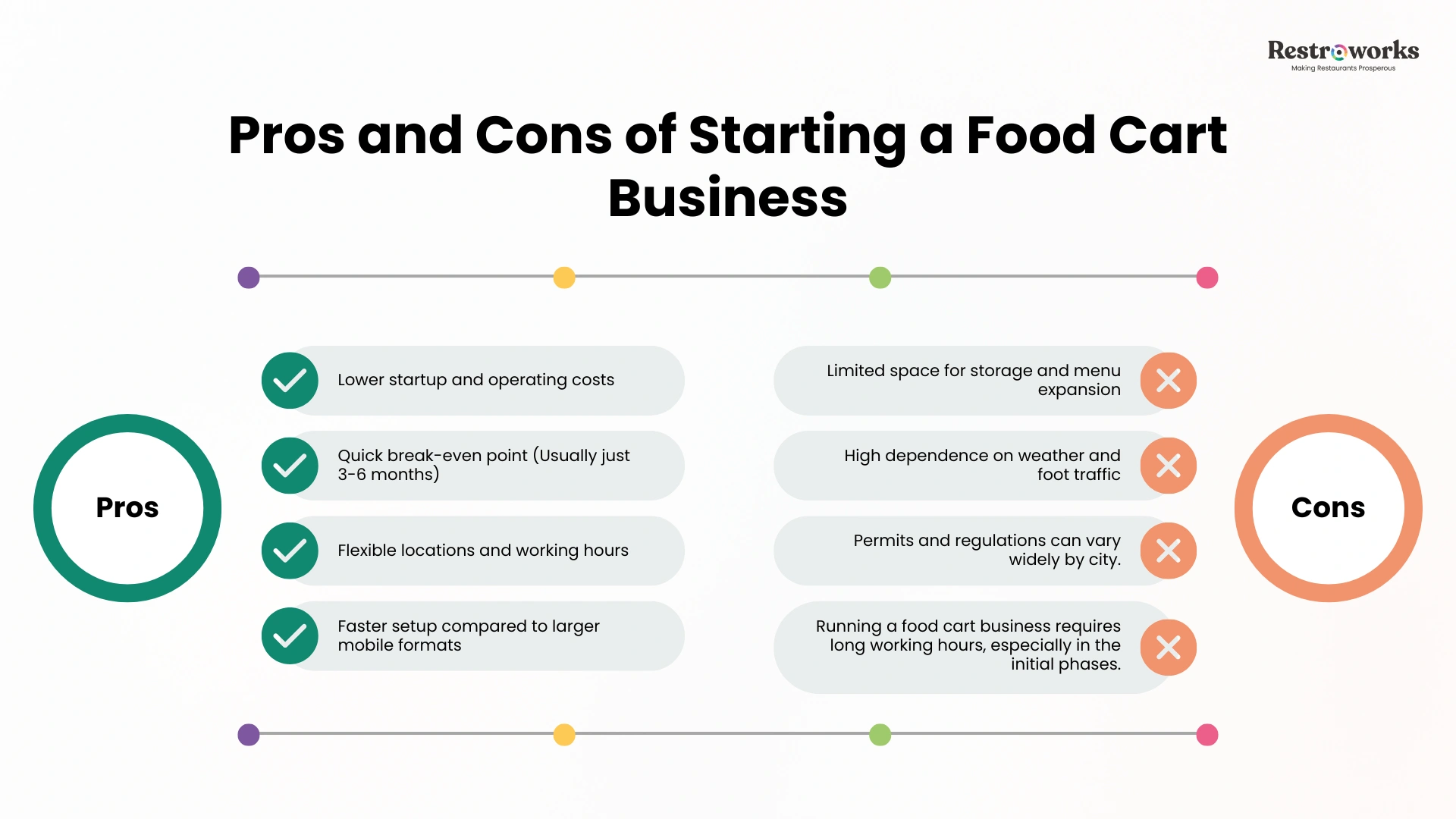
Most importantly, the food industry is subject to market volatility, which can affect the business plan and opportunities.
So, again, should “you” set up? Try answering these questions first:
- Is it okay for me to operate on a tight, repeatable menu, or do I love introducing variety every now and then?
- Am I okay if my earnings vary depending on the locations I serve?
- Can I physically manage long hours on my feet, be it in rain or heat?
- Is this a cash flow business for me, or am I expecting long-term brand equity too?
If you want a low-risk entry into the F&B market, you already understand local foot-traffic patterns, and you prefer lean operations, a food cart might be the right choice for you.
However, if you can’t tolerate bad weather, expect a predictable income from day one, and want menu freedom, storage flexibility, and brand storytelling, you’d better explore other options (a food truck business plan, let’s say).
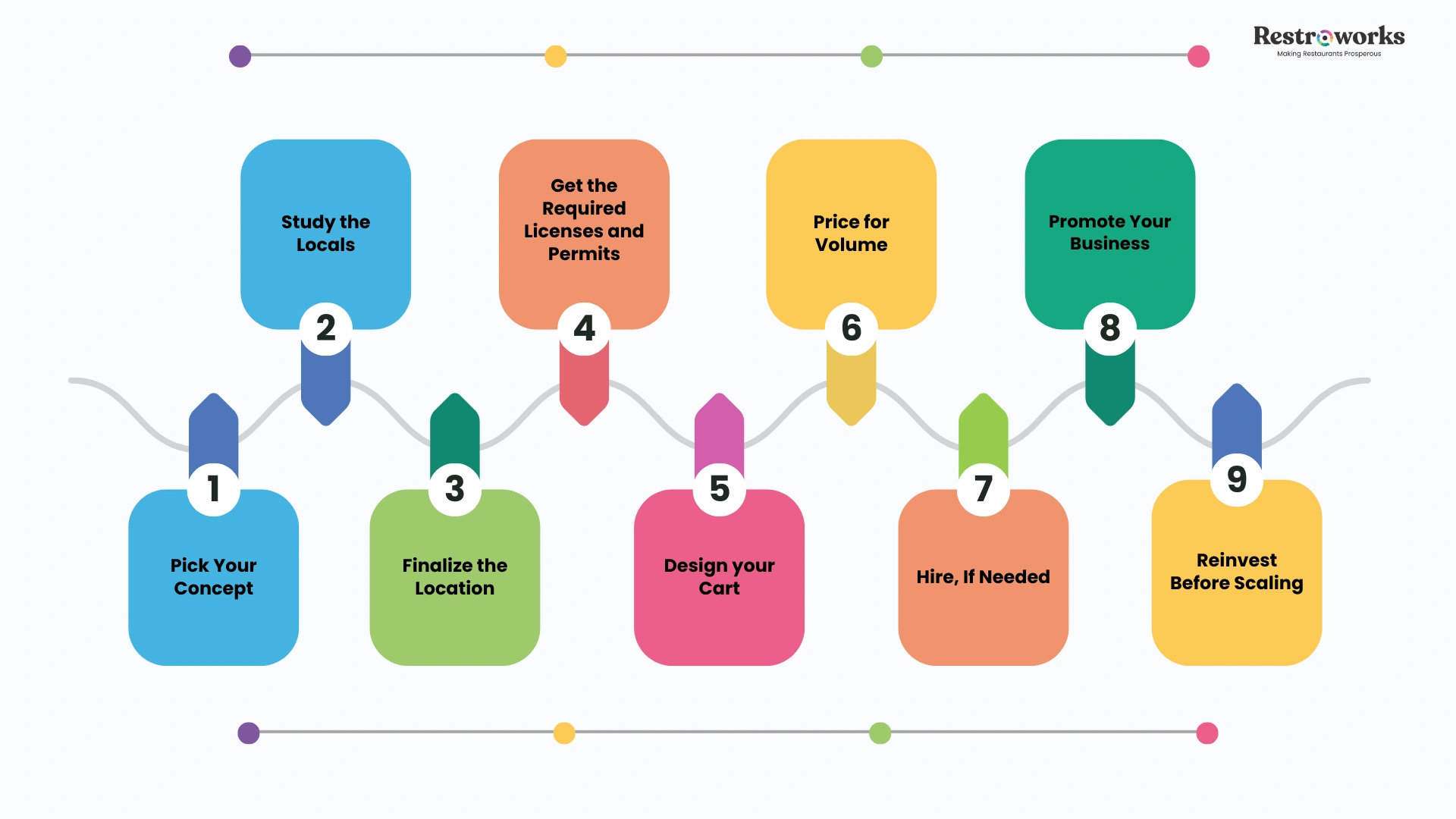
Starting a Food Cart Business: 9-Step Process
Starting a successful food cart requires thorough market analysis, a detailed business plan with an executive summary, securing all the necessary permits, and acquiring a properly equipped unit. Here’s how to do it right:
Step 1: Decide What You’ll Sell (and Keep It at That)
First and foremost, pick your concept. This single decision will affect your menu, equipment, pricing, and even location strategy.
Choosing a concept is crucial, as it sets you apart from the competition and helps build your niche target market.
Once the concept is clear, the menu will fit in naturally. Popular street food options include hot dogs, tacos, crepes, coffee, and ice cream, but your focus should be on what you can execute consistently in high-volume service.
Menu engineering should prioritize items that can be served quickly, ideally in under three minutes. That keeps lines moving and hungry customers satisfied.
Tip: Before you finalize your menu items, test recipes with friends and family.
Step 2: Study the Locals
Market research is essential before you start a food cart or invest money in equipment. Understand the “who, what, where, why, and when” of your target market.
- Who are your potential customers?
- What price point works in that city?
- When is foot traffic highest?
- Where do people naturally gather?
Spend time observing office buildings, college campuses, public parks, and local events. The location will influence your daily sales more than branding ever will.
Step 3: Know Exactly Where You’ll Serve & When
Select the best possible location for your business. You heard it. Always be present at a place with the high and the “right” footfall. A truly good location for a food cart is one where you can easily find people who have the time, intent, and willingness to buy food.
Not to mention, a high-traffic area can dramatically increase cash flow and open up opportunities to create multiple revenue streams, from walk-up sales to catering special events.
You may operate near office buildings on weekdays and shift toward farmers’ markets or festivals on weekends. Reach out to event organizers in your city. They’re more often than not always looking for quality mobile food vendors to fill their lineups. Participating in such events is an excellent way to gain early exposure.
Remember: a food cart relies on mobility. While most food trucks and brick-and-mortar restaurants build destination traffic, a mobile food cart thrives by positioning itself exactly where demand already exists.
Step 4: Get Your Hands on the Required Licenses & Permits
Before a food truck begins, or basically before you roll out your food cart, understand the local requirements in your city. Your business must comply with local, state, and federal regulatory requirements covering food safety, vending activity, and public health. (Most cities require different docs and approvals, so confirm and reconfirm everything before you spend your money.)
These rules exist to ensure that food preparation, storage, and service meet approved health and safety standards before operations begin.
Mobile food vendors typically require:
- A general business license
- A health permit
- A mobile food facility permit
- A food handler’s permit
- A parking permit for designated vending zones
- Additional permits, depending on your zone or event type
- Vehicle registration (if applicable)
You will need to contact your local health department to understand the specific requirements. Health department inspectors will visit and inspect your vehicle to ensure it meets health and safety standards.
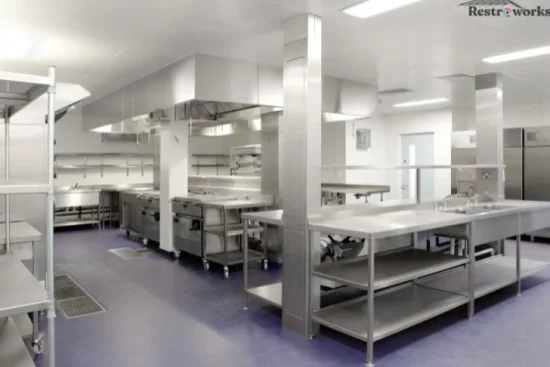
Most jurisdictions also require food truck owners and cart operators to sign a commissary agreement with a licensed commercial kitchen for food preparation and storage. Many cities do not allow food preparation in residential kitchens.
In the U.S., you must obtain a Federal Employee Identification Number (EIN) from the IRS. You may also need to register it with the Department of Motor Vehicles in the same way you would register a trailer.
Remember: Obtaining the required business licenses and permits can take several months, so it’s best to start the application process much sooner.
Step 5: Design the Setup That Works for You
Now comes the fun part: setting up your actual cart. It’s completely your choice if you want a new food truck/cart or a second-hand one, but at least customize it to fit your operations.
The specialized equipment you choose, for example, should make your food preparation faster, safer, and more consistent. Take a crepe cart. It requires dual burners, refrigerated storage for toppings, and a front-facing counter that allows customers to see the cooking process.
Other things you may need to consider are the signage, color scheme, storage, towing options, etc.
Overall, startup costs for a food cart typically range from $2,000 to $20,000, depending on equipment and location. This is significantly lower than food truck costs, which is why they remain one of the most accessible ways to enter the mobile food space.
One rule to remember: your equipment should follow your concept, not the other way around. Invest in durable equipment that supports efficient cooking and food storage. Cutting corners here increases maintenance costs later. So, yes, invest where necessary.
Step 6: Price for Volume
A food cart business runs on turnover. So, you must factor in these costs when deciding on the menu prices:
- Ingredient and food costs
- Daily operational costs
- Permits and recurring fees
- Ongoing supplies and maintenance
Your marketing materials and pricing strategy should, in sync, protect profit while remaining competitive. Unlike a traditional restaurant, a cart thrives on impulse buying and steady sales volume.
Map your financial projections realistically into your operations plan. Understand how many units you must sell daily to break even and generate positive cash flow.
Step 7: Hire If Needed
Start solo at first, and consider hiring employees when volume justifies it.
If you do bring employees on board, ensure your staff have food safety certification and are trained in customer handling. Because efficiency at peak hours can make or break your daily numbers.
At the same time, remember that the people you hire will ultimately shape the experience your customers associate with your brand. As Chad Mackay, CEO of Fire & Vine Hospitality, puts it:

Watch the full conversation with Chad Mackay to understand why building a people-centric culture is key to long-term success in hospitality.
Step 8: Market to the Market
Marketing is essential for visibility, especially when you don’t have a permanent storefront. Create a marketing strategy that reflects your food and vibe.
How, though? Here are some tried-and-tested marketing tactics that you may want to implement:
- Social media: This should sit at the center of your marketing plan. Post daily location updates, specials, behind-the-scenes prep, and real-time stories.
- Google Business Profile: Optimize it so you appear in searches like “best street food near me.” Post accurate hours and live location as needed.
- Loyalty programs: Use digital punch cards, QR-based rewards, or SMS discounts to encourage repeat visits.
Most importantly, lean into word-of-mouth marketing. Any business grows fastest when customers talk about it. Be consistent with the taste, speed, and service you offer. Yes, you may use technology for the same, but, again, as Chad Mackay puts it:
“We can use technology behind the scenes to inform us about people and make sure we know who’s coming in, who has anniversaries, but nothing is going to replace the human touch and the human experience because at the end of the day, that’s all we got.”
INDUSTRY INSIGHT
Over 74% of diners discover food trucks through social media platforms such as Instagram, Facebook, or TikTok. Social media discovery is one of the biggest drivers of customer traffic and engagement for mobile food businesses.
Step 9: Reinvest Before You Expand
A profitable food cart can generate daily sales ranging from $500 to $3,000, depending on location and events. But expansion should follow stability.
Before adding another cart or exploring the other formats (food truck business, you say), strengthen:
- Supplier contracts and commissary agreement terms
- Equipment upgrades
- Working capital reserves
Reinvesting profits protects your business from market volatility and seasonal slowdowns.
And there you have it! A well-run food cart. Now all you have to do is track your sales and optimize performance accordingly.
Track:
- Daily sales and best-selling items
- Cost of goods sold (COGS)
- Peak hours and slow days
- Customer feedback
Tools you can use for this data are POS systems, Google Sheets, customer feedback apps, etc.
What Does It Cost to Start a Food Cart?
Somewhere around $6000 to $20000, depending on your location and scale. Below is the exact breakdown:
| Expense Category | Estimated Cost |
|---|---|
| Food Cart (New or Used) | $3,000 – $10,000. A customized cart will fall on the higher end of this range. |
| Permits and Licenses | Though this varies by city, expect to spend $500 – $2,000. |
| Equipment and Utensils | $1,000 – $3,000 |
| Initial Inventory | $500 – $1,000 |
| Marketing and Branding | $300 – $1,000 |
| Insurance and Other Legal Stuff | $500 – $1,500 |
| Miscellaneous (Uniforms, cleaning supplies, etc.) | $500 – $1,000 |
You may find this expensive, but these numbers are much lower than those for starting a food truck. So, gear up, and budget for both one-time startup costs and recurring expenses in advance.
If the budget is tight, consider leasing a cart or joining a food truck park that offers shared equipment and utilities.
What are the Common Challenges You May Face and How to Overcome Them?
Starting a food cart business isn’t without its challenges.
For the record, you may face permit delays or location restrictions. That’s why you must research local regulations early and start the application process well in advance.
If needed, you should consider working with a local consultant to save time and avoid costly missteps.
Another common challenge is weather-dependent sales. Since they operate outdoors, factors like rain, extreme heat, or seasonal changes directly impact foot traffic. Use covered setups where permitted, adjust operating hours, or shift to locations that perform better in certain seasons to avoid sharp fluctuations.
Health inspections and regulatory compliance are also non-negotiable. Maintain strict cleaning routines, follow food safety protocols, and keep basic logs ready at all times.
More often than not, limited menu space is often viewed as a constraint, but it doesn’t have to be. A well-designed menu with overlapping ingredients and occasional rotating specials still allows you to maintain variety.
Finally, cash flow management can be challenging in the early stages. So, track daily earnings, minimize food waste, and use a simple POS system to understand sales patterns, manage inventory better, and avoid running short of working capital.
What are Some of the Best Tips for Running a Profitable Food Cart?
First and foremost,
- Keep it simple: Don’t overcomplicate your offerings. One great item is better than ten average ones.
- Focus on branding: Memorable names, signage, and uniforms make a difference.
- Prioritize speed: The faster you serve, the more you sell.
- Stay consistent: Regular customers value reliability in quality and timing.
- Evolve based on feedback: Customers will themselves tell you what they love. Offer that.
Starting one is an exciting venture. It’s absolutely profitable with the right business plan, concept, and a deep understanding of the ins and outs of the industry.
So, start right away. Take your passion to the streets and let the world taste what you’ve got cooking.
KEY TAKEAWAYS
- Starting a food cart typically requires $6K–$20K, far less than a restaurant.
- Prefer high-footfall areas like office buildings, college campuses, and transit hubs to drive daily sales.
- 3–6 core items with shared ingredients reduce waste and speed up service.
- Licensing, health inspections, and insurance are essential before launch.
- Fast service, strong branding, and consistent quality turn carts into scalable food businesses.
Frequently Asked Questions
1. Can one person run a food cart business alone?
Yes. Many food cart owners start solo. With a tight menu and simple prep, one person can handle cooking, serving, payments, and basic cleaning. It’s actually one of the easiest ways to test the market without hiring staff right away.
That said, expect longer working hours at first. However, once sales pick up, you’ll likely need extra hands during peak times.
2. How can you market a food cart without a fixed location?
Simple: go where your customers already are.
Post your daily location and specials on social media. Keep your Google Business Profile updated so people searching for “street food near me” can find you. And don’t underestimate word-of-mouth. When customers love your food, they’ll do the marketing for you.
3. Are food truck parks a good option for food cart owners?
Yes, especially when you’re starting out.
Because food truck parks already have the one thing every food cart needs: foot traffic. People visit them specifically to explore multiple food options in one place. For a new operator, that built-in audience can make early sales much easier.
4. How long does it take for a food cart to break even?
Trust us, no one can tell exactly how long it will take for “your” food cart to break even. In fact, the overall timeline varies by location, pricing, and costs, but many food truck operators and cart owners start covering expenses within 6 to 12 months. That too, if their cart is well-positioned and demand is steady.
High-footfall locations, low overhead, and controlled inventory can further shorten this window.
5. How much does a food truck license cost in Minnesota?
There is no single statewide flat fee. In many cases, a license may cost you around $85, plus a seller’s permit and additional city permits may range from about $100 to over $1,000, depending on the location.
For better clarity, you should confirm the number with your local health department and city licensing office.
6. Do I Need FDA Approval to Sell Food?
No. In the U.S., you do not need direct approval from the U.S. Food and Drug Administration to operate a food cart. Instead, regulation happens at the state and local level.
That means, though the FDA sets national food safety guidelines, enforcement of food cart regulations is handled by local authorities.