

What Is a Kitchen Order Ticket in Food & Beverage Service?
A KOT, or kitchen order ticket, is the instruction that tells the kitchen what to cook for a guest. It captures the customer orders placed at the table, counter, kiosk, or online channel and translates them into an actionable format for the kitchen staff.
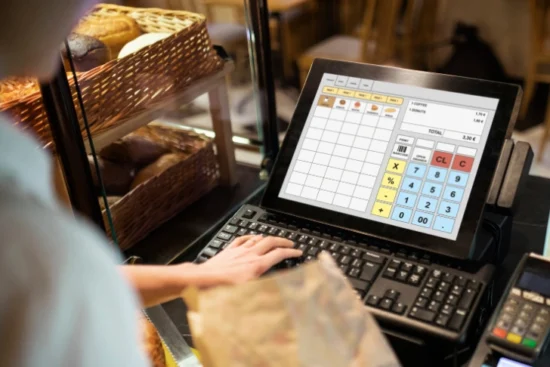
In traditional service, the waiter writes the food order on an order sheet, confirms the table number, and sends the ticket to the kitchen. In modern setups, the restaurant’s POS system automatically generates the kitchen order ticket and prints it at the kitchen printer or routes it to a KDS.
Think of the KOT as a particular slip that protects both service and kitchen. The guest gets what they asked for, the kitchen gets clarity, and managers get a record that supports food and beverage controls. Most importantly, it ensures special instructions like “no peanuts” or “extra spicy” are not missed.
A complete kot system also handles exceptions: add-ons, modifications, cancellations, and split orders. That is why it is treated as a control document in many operations, especially where a dedicated control department, or a beverage control department, audits daily consumption and billing alignment.
Why KOT Matters in Restaurant Operations

1. Accuracy in Customer Orders
The Kot system ensures that the customer orders are accurate. This is achieved by noting the table number, items, and special requests. This way, the kitchen staff is able to deliver the orders as requested.
2. Efficiency in Workflow
For restaurant managers, the KOT is critical in controlling the front and back of the house. This eliminates confusion, duplication, and ensures that the waiter collects the correct order from the hot plate.
3. Billing and Control
The control department and beverage control department use KOTs to monitor sales, control non-selling items, and ensure accurate billing. Each slip is a document of the transaction, which helps in controlling food and beverage.
4. Customer Satisfaction
By ensuring that guest requests and special requests are met, the KOT directly affects customer satisfaction. An efficient kot system eliminates mistakes and builds confidence in the hotel industry.
INDUSTRY INSIGHT
KOT vs Related Terms (Clear Differences)
Because restaurants use multiple “tickets,” it helps to clarify what KOT is and what it is not.
KOT vs BOT (Bar Order Ticket)
A KOT routes food production to the kitchen. A BOT routes drinks to the bar, often handled under the beverage control department in larger hotels. Both support food and beverage controls, but they go to different preparation stations.
KOT vs Bill/Invoice
The bill is what the guest pays. The kitchen order ticket is what the kitchen produces. A healthy kot system ensures the bill matches what was produced and served, especially when there are add-ons, cancellations, or complimentary items.
KOT vs KDS
KDS is the kitchen display system. KOT is the instruction. A KDS is simply a digital system for managing and sequencing kitchen order tickets, usually integrated with the restaurant’s POS system.
KOT vs Order Slip or Captain Order
In manual setups, the waiter writes an order sheet that acts like a KOT. In POS setups, the restaurant’s pos system prints the KOT automatically. The purpose remains the same: transfer customer orders to production with clarity, including special instructions and modifications.
Types of KOT Systems Used in Restaurants
Most restaurant businesses use one of these four models. Your choice depends on volume, service style, and the level of formality your food and beverage controls require.
1) Manual KOT (paper)
The waiter will record the items on an order sheet and the table number, then submit it to the kitchen. Sometimes, the waiter will make a copy for future reference, particularly in busy dining areas. This system is best suited for small restaurants, but it may have problems with readability, missed modifiers, and editing changes.
2) Printed KOT (POS + kitchen printer)
The restaurant’s pos system will print customer orders as a kitchen order ticket. This system enhances readability and time stamping. It also helps in implementing controls over cancellations and reprints, which is beneficial in food and beverage controls.
3) Digital KOT (POS + KDS)
A digital KOT system will transmit tickets to a kitchen display. The kitchen staff can then mark tickets as in process, ready, and served. This system is best suited when you need speed, station routing, and performance.
4) Hybrid KOT
Some outlets print tickets for certain stations and use KDS for others. A QSR may use a KDS system for the hot line while still printing for the bakery or bar. This can work well if your kitchen layout is complex or if specific teams prefer paper.
What are the Main Components of a KOT?

A typical kitchen order ticket includes:
- Table number
- Date and time
- Waiter writes name or ID
- Item description and quantity
- Special instructions or special requests
- Signature/authorization
Each field ensures that customer orders are prepared accurately. For example, noting the hot plate timing helps the kitchen staff deliver food fresh, while the waiter retains a copy for accountability.
How Technology Improves the KOT Process
Modern restaurant owners increasingly rely on digital KOTs integrated with their POS systems. Benefits include:
- Real‑time updates: Digital KOTs integrated with a restaurant’s POS system enable front-of-house and kitchen staff to view customer orders instantly, ensuring meals are prepared accurately and reducing delays.
- Checking method: Automated systems apply a built‑in checking method that flags missing items or errors on the order sheet, helping the waiter’s writing process remain consistent and minimizing confusion during busy service.
- Control department integration: Every specific slip generated through the Kot system is stored digitally, enabling the control and beverage control departments to audit transactions seamlessly, strengthening overall food and beverage controls.
- Guest satisfaction: Faster service, accurate handling of special requests, and fewer mistakes enhance guest satisfaction, build trust among restaurant owners, staff, and diners, and elevate the overall dining experience.
Challenges and Best Practices
Challenges
- Lost or illegible handwritten KOTs.
- Delays in transmitting customer orders.
- Miscommunication of special instructions.
Best Practices
- Train front-of-house staff to record guest requests clearly.
- Use the digital KOT system integrated with the restaurant’s POS system.
- Ensure the waiter retains a copy for accountability.
- Regular audits by the control department and the beverage control department.
Conclusion
The kitchen order ticket is the backbone of food and beverage controls in the hotel industry. Whether handwritten or digital, the kot system ensures that customer orders are prepared accurately, guest requests are honored, and restaurant owners maintain control over operations.
By integrating KOTs with a restaurant’s POS system, hotels and restaurants can streamline the checking method, reduce errors, and enhance guest satisfaction. For the modern control department, the KOT is not just a particular slip; it is a vital tool for efficiency, accountability, and customer satisfaction.