
For decades, industries like airlines and hotels have mastered the science of dynamic pricing: adjusting prices in real time based on demand, timing, occupancy, and customer behavior. A flight ticket or hotel room rarely costs the same every day. Prices fluctuate constantly to maximize revenue and profitability.
The restaurant industry, however, has traditionally operated with largely static pricing: the same menu prices during peak and non-peak hours, the same pricing on weekdays and weekends, and limited differentiation between high-demand and low-demand periods.
But as technology transforms hospitality, restaurants are beginning to ask an important question: If airlines and hotels optimize pricing dynamically, why shouldn’t restaurants?
Dynamic pricing may well become one of the most disruptive shifts in the future of food and beverage operations.
What is Dynamic Pricing?
Dynamic pricing is a strategy where prices change based on demand levels, time of day, capacity utilization, customer behavior, and market conditions.
In airlines, ticket prices rise as seats fill up. In hotels, room rates fluctuate based on occupancy, seasonality, and events.
In restaurants, dynamic pricing could mean lower prices during low-demand hours, premium pricing during peak dining periods, personalized offers based on guest behavior, and real-time menu pricing linked to ingredient costs or demand. The goal is simple: maximize revenue while optimizing utilization and profitability.
Why Restaurants Are Ripe for Dynamic Pricing?
Restaurants face the same core challenge as airlines and hotels. Perishable inventory. An empty restaurant table at 8 PM tonight can never be sold again tomorrow, just like an unsold hotel room or airline seat. This creates a massive opportunity for revenue optimization.
Currently, restaurants often experience underutilized capacity during off-peak periods, long waiting times during peak hours, and fixed pricing regardless of demand fluctuations
Dynamic pricing addresses all three.
How Dynamic Pricing Could Work in Restaurants
- Restaurants could offer lower prices during non-peak hours and premium pricing during high-demand periods. Lunch combos are discounted between 3–5 PM; weekend dinner pricing is slightly elevated. This helps smooth demand and improve table utilization.
- Just as hotel room rates rise during festivals or events, restaurants can adjust pricing during concerts, holidays, or major sporting events. Increase pricing for high-demand reservations. For premium dining, this model is already emerging through prepaid reservations, chef’s table experiences, and peak-hour pricing.
- Using guest data and AI, restaurants can create customized discounts, loyalty-driven pricing, and personalized bundles. Instead of mass discounts, offers become targeted and margin-conscious.
Dynamic pricing was once impractical for restaurants because menus were static and operational systems lacked flexibility.
Today, technology has completely changed that.
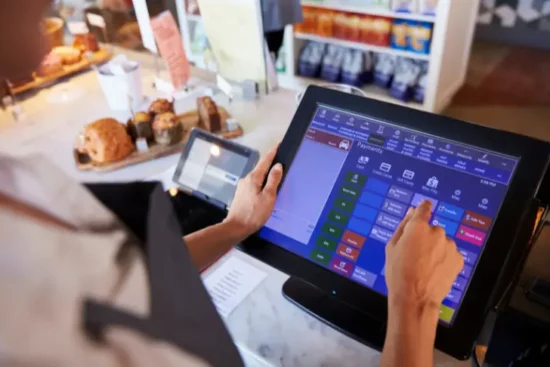
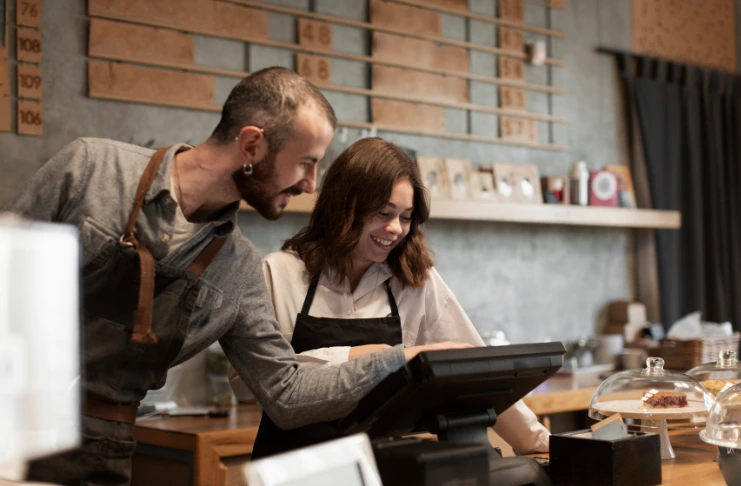
Modern ecosystems now include cloud-based POS systems, AI-driven analytics, digital menus and QR ordering, customer data platforms, and revenue management tools.
Together, these systems enable restaurants to analyze demand patterns, forecast traffic, adjust prices automatically, and monitor customer response in real time
Dynamic pricing is no longer theoretical; it is technologically achievable.
Benefits of Dynamic Pricing in F&B
- Revenue Optimization: Means higher prices during peak demand improve topline revenue.
- Better Capacity Utilization: Lower off-peak pricing drives traffic during slower hours.
- Margin Protection Pricing: Adapt to inflation and ingredient volatility.
- Smarter Promotions & Discounts: Become strategic rather than blanket-driven.
- Data Driven Decision Making: Restaurants move from intuition-based pricing to analytical pricing.
Conclusion
Unlike airlines and hotels, restaurants operate in a deeply emotional and social space.
Guests may accept fluctuating airfares, but will they accept changing menu prices? This is the biggest barrier.
Poorly implemented dynamic pricing can create a perception of unfairness, Loss of trust, and customer backlash. The key lies in transparency, subtle implementation, and clear value communication.
Consumers are more likely to accept off-peak discounts than peak-time surcharges that feel exploitative. The airline and hotel industries offer important lessons.
- Pricing decisions must be backed by strong analytics.
- Not every customer should see the same pricing.
- Manual pricing adjustments are unsustainable.
- Revenue optimization should never come at the cost of brand trust.
Dynamic pricing also raises ethical questions, meaning could it penalize loyal customers? Will premium pricing exclude certain demographics? How transparent should algorithms be?
Restaurants must balance profit optimization with hospitality values. Unlike airlines, hospitality is fundamentally relationship-driven.
The restaurant industry is gradually moving toward a future where tables are treated like inventory assets, demand forecasting drives pricing, and AI optimizes menus and promotions in real time. In many ways, restaurants are entering the era of revenue management for F&B.
This will fundamentally change how operators think about pricing, profitability, and customer engagement. Dynamic pricing represents a major evolution in restaurant economics.
By borrowing principles from airlines and hotels, restaurants can improve revenue, optimize capacity, protect margins, and create smarter demand patterns. But success will depend on implementation.
The restaurants that win will not be those that simply increase prices dynamically but those that use technology intelligently while preserving fairness, trust, and guest experience. Because in hospitality, pricing is not just mathematics. It is also psychology, perception, and relationships.