
Fast Food Restaurant Statistics UK: Market Overview
At the market level, fast food in the UK is defined by three fundamentals: the revenue the segment generates, the number of outlets, and the number of people the sector employs. Looking at these numbers together provides a concrete starting point for understanding the scale of the market today.
A. Market Size and Revenue
The UK fast food segment is a substantial part of the nation’s foodservice landscape. According to IMARC Group, the UK fast food market reached about $29.8 billion in 2024 and is projected to grow to around $50.2 billion by 2033, at a compound annual growth rate (CAGR) of nearly 5.99% between 2025 and 2033.
- Other industry estimates place UK fast food and quick-service restaurant revenue at £40.5 billion in 2025, with an annual growth rate of 5.7% that outpaces general price inflation.
- In contrast to fast food, the broader UK foodservice market, which includes full-service restaurants, pubs, and catering, stands at roughly $104.81 billion in 2025.
B. Number of Outlets and Geographic Spread
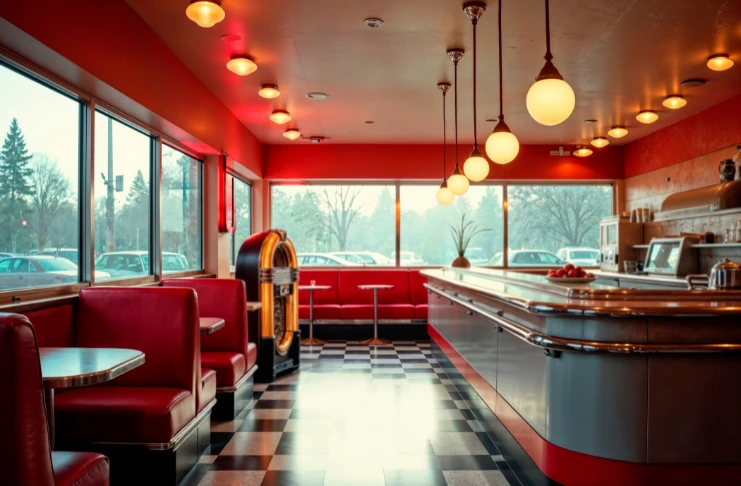
- The UK had approximately 49,000 takeaway and fast-food restaurant businesses in 2025, up from about 48,000 in 2024, indicating modest year-on-year outlet growth.
- England accounts for the majority of fast food outlets, reflecting population density and urban concentration, with:
- Highest outlet density in London and the South East
- Lower but stable concentrations across Scotland, Wales, and Northern Ireland
- In fact, large national and international chains, such as McDonald’s alone operates well over 1,400 locations in the UK, reinforcing the role of scale and standardization in the UK fast food market.
C. Employment Trends
UK takeaway and fast-food restaurants employed around 468,000 people in 2025, up from approximately 449,000 in 2024.
The UK restaurant industry workforce looks something like this-
- A workforce leaning towards younger employees
- A high proportion of part-time roles
- Seasonal hiring increases during holidays and peak demand periods
UK Fast Food Restaurant Industry: Competitive Landscape
Fast food in the UK is dominated by large national chains, but independent operators still account for a substantial share of outlets and customer demand. Looking at market share, outlet mix, and pricing strategies helps clarify how this balance plays out in practice.

A. Top Fast-Food Players in the UK
- McDonald’s is the largest quick-service operator by scale, operating roughly 1,400+ restaurants and employing over 135,000 people across locations in the UK and Ireland.
- In the pizza segment, Domino’s continues to hold a leading position in the UK market. Its scale, delivery-led model, and dense store network have helped it maintain category leadership.
- KFC and Burger King are leading the chicken and burgers categories, respectively, and chicken-first concepts are growing unit counts faster than the overall QSR market.
B. Independent Outlets vs Chains
- Chain operators hold the larger share of quick-service revenue, accounting for roughly 58.8% of QSR market revenue (2025).
- UK diners are nearly divided in their preferences. Around 35% of people favor large fast food chains, while about 34% prefer local or independent outlets.
- 43% of those who prefer chained outlets do so because of established trust and convenient locations.
- On the other hand, 59% of Brits who like local fast-food outlets prefer it because of the freshness and quality of food.
C. How Fast-Food Brands Drive Traffic
- Value pricing and bundle deals are one of the simplest ways fast-food chains drive traffic across formats. Customers respond best to simple, easy-to-understand offers such as meal deals, family bundles, and student pricing, where the value is immediately clear without needing comparison or calculation.
- App-led loyalty and digital offers are increasingly influential in driving repeat visits. Leading fast food brands see strong engagement through their apps, using exclusive deals, personalized promotions, and quick reordering to retain high-frequency customers.
- Repeat behavior is more closely linked to predictable pricing, reliable fulfillment, and genuinely useful rewards.
Consumer Behavior and Trends in the UK Fast Food Restaurant Industry
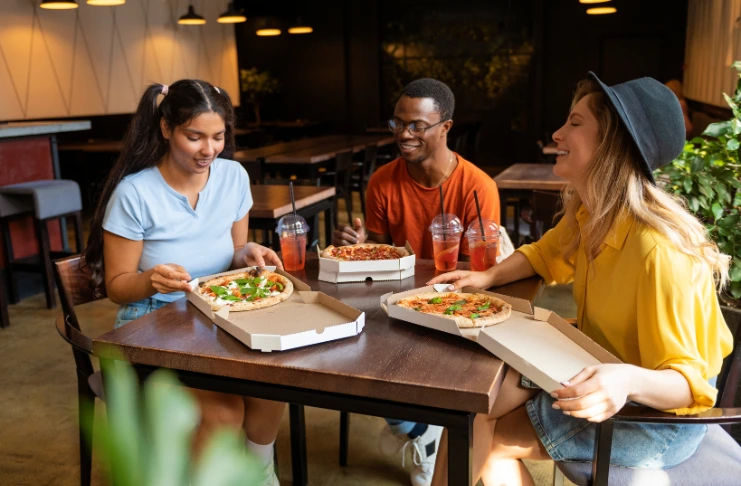
Customer behavior in the UK fast food market is shaped by routine. Most purchases are repeat decisions made under time, budget, and convenience constraints.
Surprisingly, what has changed in recent years is how customers evaluate those decisions. They now consider factors such as availability of delivery, portion value, menu transparency, and perceived health balance alongside price and speed while choosing a fast food restaurant.
Key Customer Behavior Trends
Here are the key customer behavioral trends that are shaping the fast food restaurant sector in the UK-
- Convenience First: UK fast food customers prioritize ease of access over most other factors. This includes proximity, fast preparation, predictable service times, and the ability to order quickly without friction. Brands that reduce decision time and waiting time tend to win repeat visits.
- Delivery as a Default Option: Delivery is no longer an occasional substitute for eating out. For many customers, especially in urban areas, it is a standard way of getting fast food. This has shifted expectations around menu portability, portion stability, and pricing tolerance.
- Price vs Portion: Customers rarely assess price alone. Instead, they evaluate whether the portion feels “worth it” for the spend. Larger portions, bundles, and shareable items often perform better than cheaper but smaller alternatives.
- Healthy Eating is Prioritized: Most customers are not seeking “healthy food” from fast food restaurants, but they do look for options that feel lighter, less processed, or more transparent in their ingredients. Fast food restaurants offering more visibility into item calories, using plant-based items, or offering clarity into allergens influence choice, particularly among younger diners.
- Younger Diners are Driving Frequency: Younger age groups eat fast food more often, use digital channels more confidently, and respond faster to promotions. Their behavior has a bigger impact on overall transaction volumes.
UK Fast Food Consumer Behavior: Key Statistics
- 74.1% of UK consumers prefer fast food at lunch, making it a dominant occasion for the category.
- Convenience ranks 4.4 times higher than affordability as a motivator for choosing fast food.
- Surveys show 49% of Brits eat takeaway food up to four times a week, indicating high overall engagement with convenience food.
- UK households spend roughly £6.40 per week on takeaways, equivalent to about £820 per person annually.
- 26% of UK consumers say they want healthier products in fast food restaurants (down from 31% in 2023).
- Google Trends data indicates a 1,000% spike in searches for “fast food near me” in the UK, signalling strong on-demand intent.
- According to a fast food brand awareness ranking, McDonald’s and Burger King are leading in 2024 with 97% and 96% awareness, respectively.
- 32% of UK consumers aged 16-32 years are more interested in trying out new fast food options.
- Pizza is the top fast food choice for diners, surpassing fish & chips and burgers.
- Convenience is an important factor for 37% of consumers eating fast food, while 8% prioritize affordability.
EXPERT OPINION
How Digital Ordering and Delivery Are Reshaping UK Fast Food
Digital ordering and delivery are now central to fast food operations in the UK. They shape brand visibility, repeat purchases, and the margins restaurants earn on each order. What matters today is not whether customers use digital channels, but how they use them and what they expect in return.
In the UK fast-food market, speed of service, pricing clarity, ordering channels, and operational consistency are increasingly important to performance.
Brands that manage these areas well see stronger repeat orders from digital channels, while others struggle with cost pressure and fluctuating demand.
1. Direct Online Ordering is Gaining Traction
A majority of restaurant customers (58%) say they prefer to order delivery through a brand’s own app or website rather than through third-party platforms.
- Customers are increasingly placing orders through brand-owned ordering websites and mobile apps, particularly for repeat purchases.
- Direct channels often make it easier to reorder, offer better customization options, and provide access to exclusive offers or loyalty rewards.
- But if ordering feels slower or offers less value than third-party apps, customers may even switch back quickly, even when they generally prefer ordering direct.
2. Mobile Devices Dominate Digital Orders
Mobile technology drives most digital food orders in the UK. Over 60% of UK consumers prefer to order food using a mobile device, according to recent insights on digital foodservice behavior.
- For fast food operators, the mobile experience has a direct impact on orders and repeat visits, from browsing the menu to completing payment.
- Customers turn to mobile ordering because it feels familiar, saves time, and fits easily into their daily routines.
- However, if the menu is hard to navigate, the site is slow, or checkout takes too many steps, customers often abandon the order instead of pushing through.
3. Delivery as a Primary Consumption Channel
About 40% of people in the UK receive up to three food deliveries per week, reflecting sustained reliance on delivery as part of regular routines.
- For many UK consumers, especially in urban areas, delivery is no longer the last alternative when dining out isn’t possible.
- As delivery frequency increases, customers evaluate fast food differently. Speed and food quality still matter, but consistency during transit, which includes how well food holds heat, texture, and portion integrity, has become part of the overall experience.
- Delivery also shapes expectations around reliability. Accurate orders, predictable wait times, and clear tracking now play a direct role in customer satisfaction and repeat ordering behavior.
4. Fees and Wait Times Influence Loyalty
Customers in the UK fast food market are very aware of the total cost and service experience tied to delivery, and these factors influence repeat business.
- Many delivery platforms and restaurant apps charge fees on top of the menu price. Now, high delivery fees, minimum order values, and service charges can often make customers rethink whether an order is worth placing.
- Long delivery times, whether due to traffic, delivery partner shortages, or poorly optimized fulfilment, are a frequent source of dissatisfaction. Studies have shown that most consumers prioritize delivery speed over price when choosing a service.
- Consistent delivery performance encourages repeat orders more effectively than one-time discounts.
5. Drive-Thrus Promote Convenience
Despite the growth of delivery, consumers still turn to self-pickup and drive-thru formats for fast food consumption, particularly outside dense city centers.
- Many UK consumers choose click-and-collect to avoid delivery fees while maintaining speed and convenience. This option is especially popular for repeat orders where customers already know what they want and prefer not to pay a delivery premium.
- In the UK, drive-thru performs best in commuter corridors, retail parks, and suburban areas where car usage is higher, and speed is prioritized.
- Major fast food operators continue to invest in drive-thru sites because they support high throughput during peak hours without increasing dine-in capacity.
- Click-and-collect and drive-thru reduce reliance on third-party delivery services, eliminating commissions for operators while still meeting customer expectations around speed and ease of access.
Conclusion
Fast food in the UK is growing because it continues to fit into everyday habits, with quick meals, familiar choices, predictable prices, and easy ordering.
For anyone tracking this market, the value lies in paying attention to these everyday signals rather than headline growth alone. The UK fast food sector rewards operators who understand routine behavior, remove friction where it matters, and stay aligned with how customers actually buy food today.