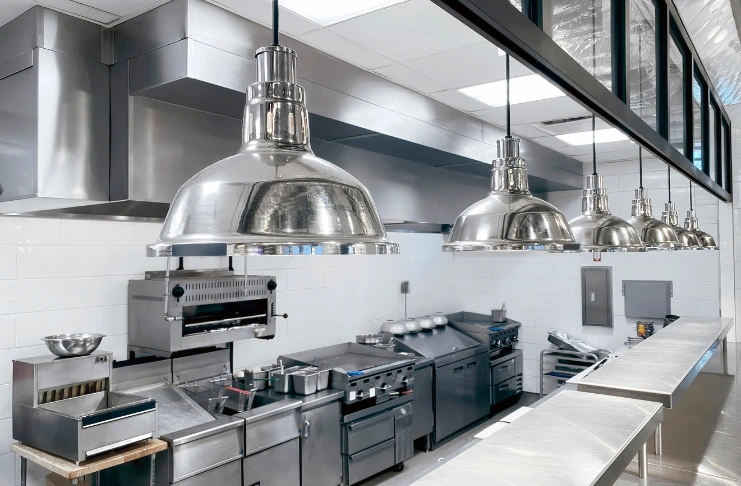

So, you’ve got the concept & your team lined up for the new cloud kitchen setup, but are you sure you’ve its legal groundwork in place?
Let’s start with the numbers: The global cloud kitchen market was valued at USD 81.94 billion in 2025. By 2033, it’s likely to hit USD 201.72 billion in revenue. That’s a solid 11.92% CAGR.
More food entrepreneurs than ever are now choosing to start a cloud kitchen over a traditional brick-and-mortar. And why not? The said business model is lean, scalable, and built around the rising demand for online food delivery.
But here’s the kicker: Every cloud kitchen needs proper licenses and permits, and must follow other legal requirements to sustain.
That’s the basic. Even a ghost kitchen with the “best menu in the city” can still get shut down for missing a food handler’s permit or skipping a fire inspection.
So, whether you’re planning to start a cloud kitchen from scratch or run multiple virtual restaurant brands out of the same kitchen with the right cloud kitchen software behind it, this guide will help you step in with the right foot.
What You’ll Learn
- Step-by-step guide on how to register your cloud kitchen business.
- The exact licenses, permits, and compliance requirements needed to operate legally.
- How to set up your kitchen for long-term scale by aligning with delivery platforms, tax regulations, and essential business insurance.
How to Register for Cloud Kitchen & Ensure Legal Compliance?
It’s quite simple. Just have all these boxes checked:
Step 1: Build a Business Plan First. Then, Register
First and foremost, you need a business plan. Not a 40-page document for investors (unless you want one), but a clear answer to:
- What is my food concept?
- Who is my target audience?
- Which delivery platforms will I use?
- How do my lower overhead costs compare to those of other restaurants in the market?
A strong business plan should also include detailed financial projections covering startup costs, operating expenses, pricing strategies, and revenue targets.
 Fact: Cloud kitchens can often be started with an investment under $10,000, making them a low-risk business idea. With lower overhead costs and stable order volumes, they can reach break-even faster than traditional restaurants and achieve stable returns within 6–12 months if food costs, packaging, and delivery commissions are managed carefully. But, again, it largely depends on location demand, menu positioning, pricing strategy, and operational efficiency. Consider adding each of these details carefully to the business plan.
Mind that your business plan will shape every legal decision you’ll take in the future. Food entrepreneurs who skip this step often end up registering under the wrong entity or in the wrong location. Make sure you don’t queue up for the same.
Step 2: Register the Right Legal Structure for Your Cloud Kitchen Business
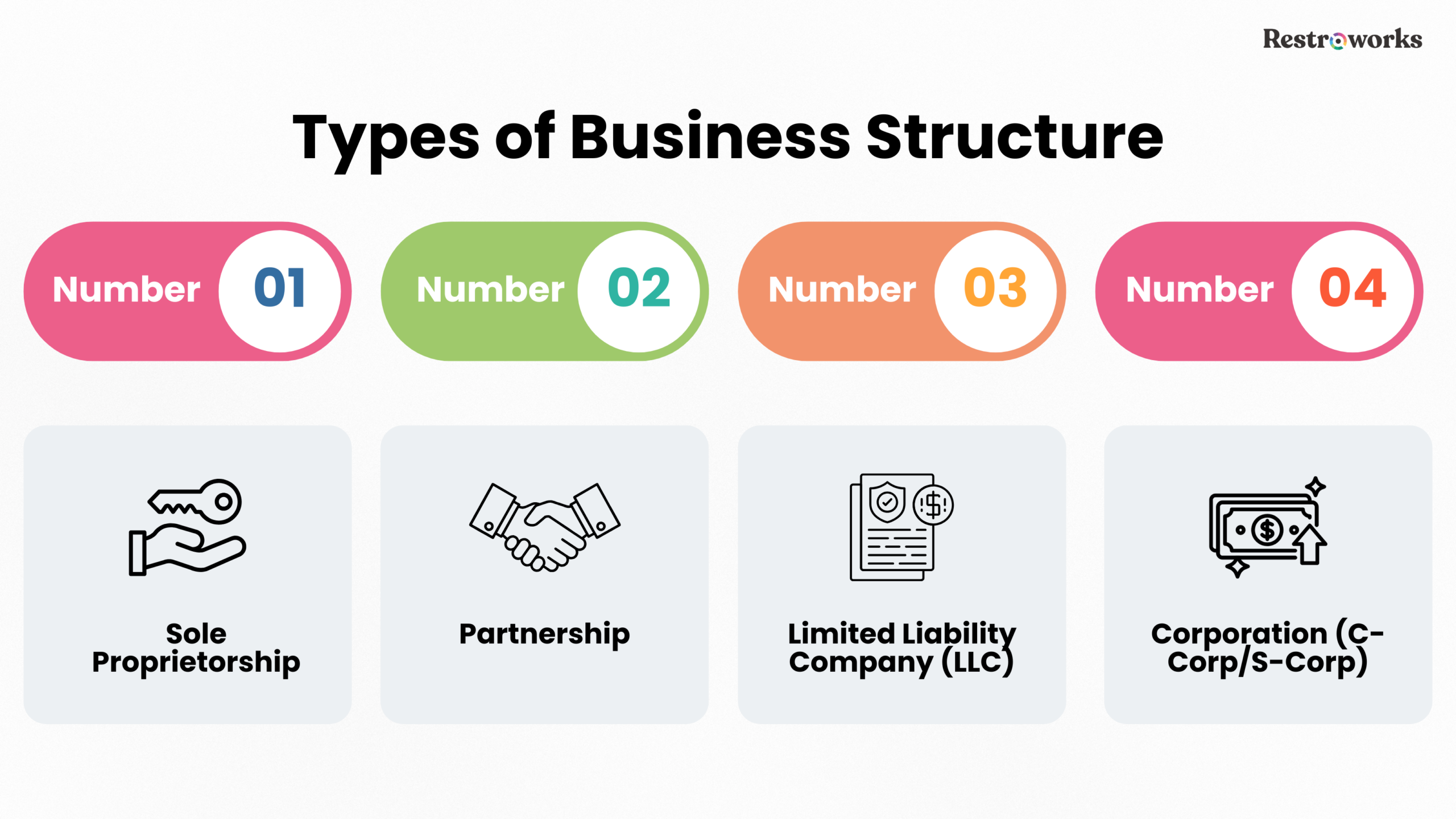
Let’s make this one thing very clear – Whatever legal structure you decide to go with will affect your taxes, liability, and ability to scale.
That clear, here are the options:
- Sole Proprietorship: This one is quite simple and cheap to set up, but gives zero personal liability protection.
- Partnership: Good if you’re co-founding with someone. But always get everything in writing.
- LLC (Limited Liability Company): Almost every food business owner goes with an LLC. It protects personal assets, offers pass-through taxation, and is flexible enough to run multiple brands out of the same kitchen.
- Corporation (C-Corp/S-Corp): It’s built for scale and outside investment. Needs more compliance, but better for big ambitions.
If you ask us, we would recommend sticking with an LLC — and for good reason. After all, it gives you legal compliance without the complexity of a full corporation.
Once decided, register your business with the Secretary of State in your operating state. All you’ll need to do is file formation documents, pay a fee, and designate a registered agent.
Step 3: Register Your Business Name
Interesting part – Not registration itself, but choosing the name. You get to be as creative as you want.
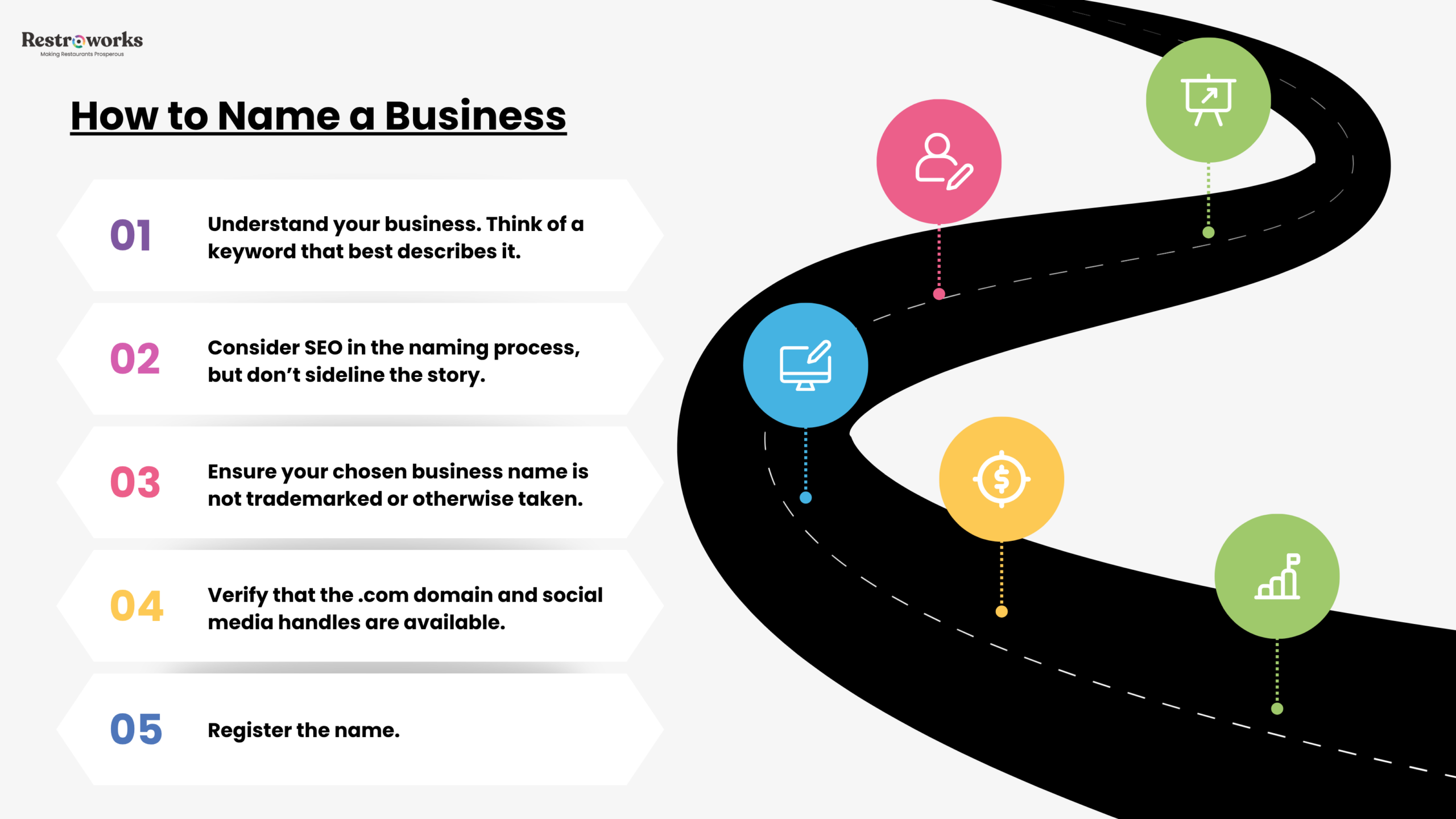
Once done, here’s what to do next:
- Search your state’s business name registry to confirm it’s available.
- Check domain availability if you’re setting up an online ordering system.
- File a DBA (Doing Business As) if your brand name differs from your legal entity name (common when running multiple brands under one cloud kitchen).
- Consider applying for a federal trademark via the USPTO to protect your name in the food delivery space nationally.
Don’t rush this step. In case you get into a name conflict, the only option will be rebranding, which will only confuse your existing customers and, needless to mention, how much you’ll have to spend on “legal fees.”
Step 4: Get a Federal EIN (Employer Identification Number)
Ever got a Social Security Number? EIN is basically its business equivalent. It’s issued by the IRS, it’s free, and you’ll need it for:
- Opening a business bank account
- Filing federal and state taxes
- Applying for licenses and permits
- Getting listed on delivery platforms like Uber Eats and DoorDash
- Hiring and paying staff legally
To get your EIN, you can apply directly on the IRS website, and you’ll have it in minutes.
Here’s a quick tutorial for the same:
Step 9: Register for Sales Tax Permit
If your cloud kitchen sells hot, prepared food (or it almost certainly does), you’re legally required to collect and remit sales tax. To do that, you need a Sales Tax Permit (also called a Seller’s Permit) from your state’s Department of Revenue.
Mind that sales tax rules vary by state. For example, some exempt cold or packaged food items but tax ready-to-eat meals. And since delivery orders are almost always prepared food, most cloud kitchens fall under taxable categories.
To apply: visit your state’s Department of Revenue website, submit the online application, and provide your EIN, business name, and address. That’s it. Approval typically takes a few days.
Step 10: If India-Based, Get Your FSSAI License
If you’re starting a cloud kitchen in India, getting an FSSAI license is a must-follow food regulatory requirement.
Since the Food Safety and Standards Authority of India (FSSAI) governs all food business operators in the country, your cloud kitchen cannot legally operate without it.
So, if you fit this category, here are three types of FSSAI license you may consider one from:
- FSSAI Basic Registration – For small food businesses with an annual turnover below INR 12 lakhs.
- FSSAI State License – For medium-scale cloud kitchens operating within a single state.
- FSSAI Central License – For larger food operations or those running across multiple states.
The FSSAI license covers food preparation standards, food storage guidelines, and overall food quality requirements. Inspectors will assess your kitchen setup, ingredient sourcing, and hygiene protocols.
Your FSSAI registration number must also appear on all packaging and delivery orders. It signals food quality and compliance to new customers and delivery platforms alike.
To apply: Visit https://foscos.fssai.gov.in. Approval may take somewhere between 7 and 30 days, depending on license type. Plus, you’ll need to renew it annually. And please do apply or renew on time because the penalty for operating without an FSSAI license costs up to INR 5 lakhs.
Step 11: Explore the Food Delivery Platform Regulations
Believe it or not, your cloud kitchen breathes by its presence on delivery platforms. And to get listed and stay listed there, you’ll need to meet specific compliance requirements.
Most delivery platforms (whether you’re listing on Uber Eats, Swiggy, Zomato, or DoorDash) will ask for:
- Valid business license
- Proof of commercial kitchen lease or commissary agreement
- Food service permits from the local health department (or FSSAI license for India)
- EIN and tax documentation
- General liability insurance
- High-quality menu images and item descriptions
That gets you in.
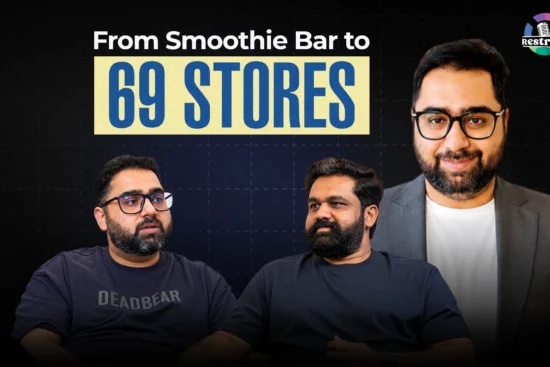
But is just getting listed enough? Wing Lam, owner of Wahoo’s Fish Tacos, mentions in episode #39 of Restrocast:
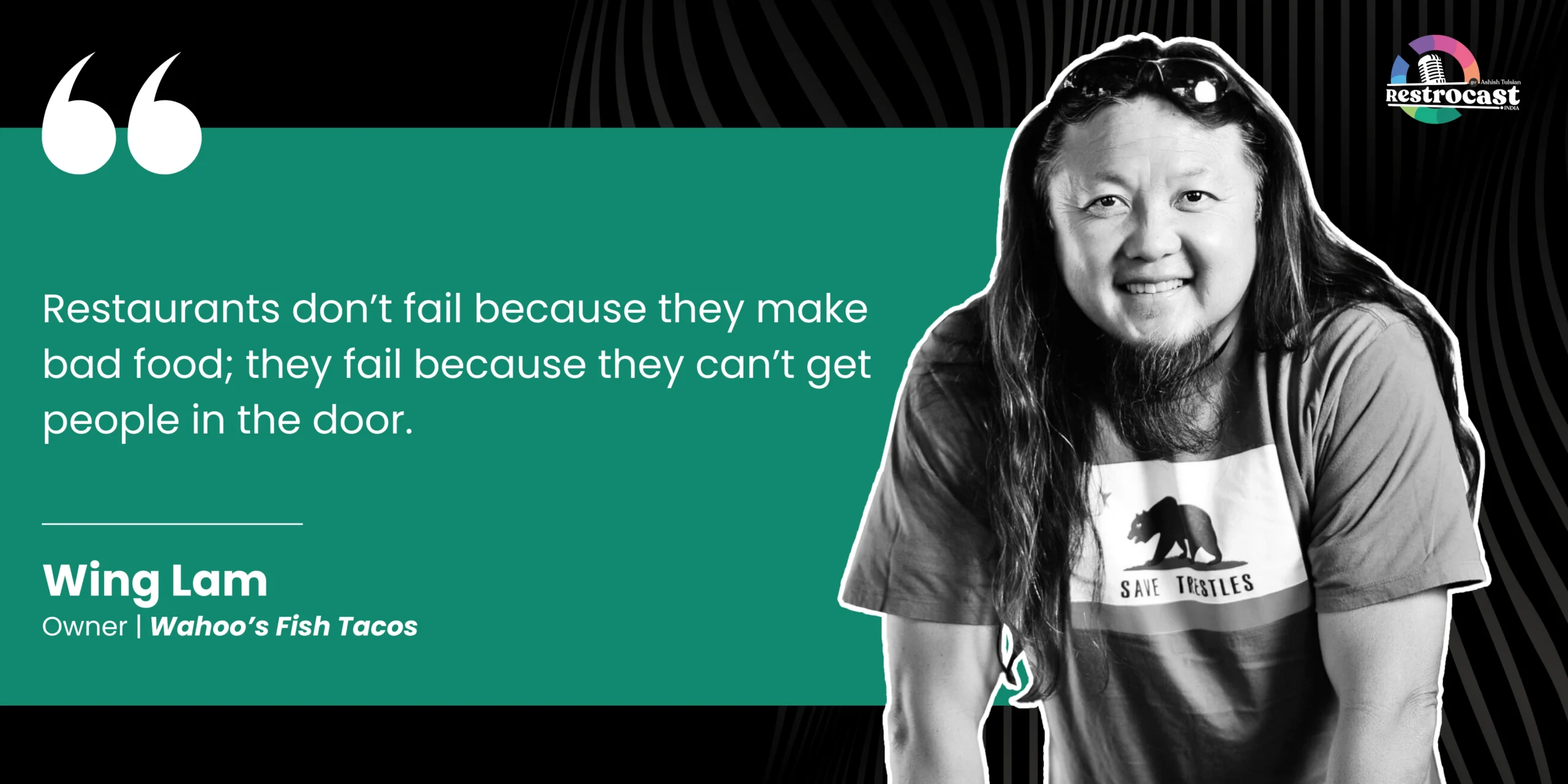
Delivery platforms solve that problem instantly. They bring demand to your doorstep.
But they also take a cut, which is typically 15% to 30% per order. So, before you sign with any delivery services partner, read the commission structure carefully.
A smarter long-term move? Build your own online food ordering system alongside your delivery platform presence. An online ordering setup reduces commission dependency, lets you retain your customers, encourages them to order directly, and gives you full control over the customer experience.
What else should you do?
- Build a strong online presence through social media and a well-designed website
- Optimize your marketing strategy (like collaborating with food influencers and bloggers) to increase visibility and build trust with potential customers.
- Offer promotions or discounts to encourage first-time orders and foster repeat business.
- On the menu side, focus on items that travel well and maintain quality during delivery.
- Regularly update your menu based on customer feedback and seasonal ingredients so as to keep your offerings fresh and appealing.
Operational efficiency across all of this directly impacts food quality and customer retention.
Many successful cloud kitchen operators use delivery platforms to attract customers and their own online food delivery channel to retain them. Do exactly that!
Also, to further make the most out of your deliveries, leverage technology. For your record, implementing a centralized POS system helps manage multiple delivery platforms effectively. Inventory management software optimizes stock levels and reduces waste. Data analytics software improves customer satisfaction and operational efficiency, and technology solutions overall help streamline order tracking and enhance the customer experience.
Step 12: Get the Right Business Insurance
Running a cloud kitchen means you’ll have to handle food preparation (or some aspects of it), delivery services coordination, staff management, and equipment. Basically, there is some risk at every step.
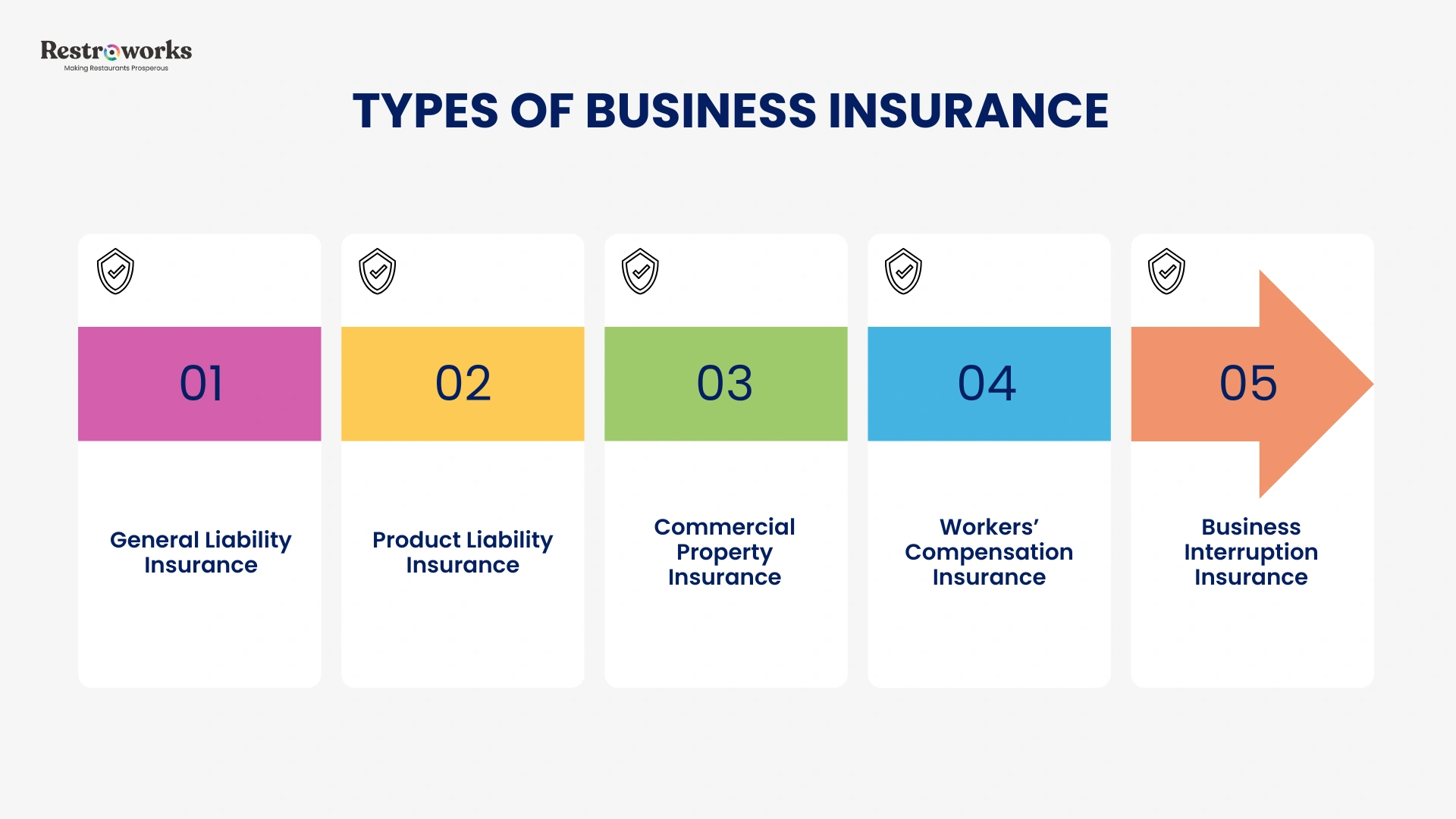
That’s where these business insurance policies come in handy:
- General Liability Insurance – Covers third-party injuries, property damage, and advertising claims.
- Product Liability Insurance – Protects you if a customer claims illness, contamination, or an allergic reaction from your food.
- Commercial Property Insurance – Covers damage or theft of kitchen equipment and inventory.
- Workers’ Compensation Insurance – This one is kind of mandatory in most states and required if you hire staff. It covers workplace injuries.
- Business Interruption Insurance – It replaces lost income if operations are halted (say, due to a fire or power failure).
See – Proper licensing is one thing, but proper insurance is what keeps you standing if something goes wrong after you’ve launched. So, invest in it.
Remember, starting a cloud kitchen (better if it’s your own cloud kitchen) is genuinely one of the smartest moves in the food industry right now, be it for its –
- Lower overhead costs compared to traditional restaurants
- A flexible business model, or
- The ability to test concepts and run multiple brands from the same space
But this is profitable only if your legal compliance is airtight. A missing food handler’s permit, an outdated health inspection, or skipping the FSSAI license, for example, can shut you down before you even set your footing.
Do this right the first time. Your future customers — and your margins — will thank you.