

Understanding the Legal Framework for Cafés in India
Let’s understand how the legal framework works for restaurant and cafe businesses in India-
A. How Food Service Businesses Are Regulated in India
Cafés in India are legally classified as food service establishments. This means regulation starts with food safety, but does not end there. Any business that prepares, stores, or serves food to customers must comply with nationally defined food safety standards, regardless of size or format.
Beyond food handling, cafés are also governed by:
- Commercial laws that regulate where and how a business can operate
- Labor laws that apply once staff are employed
- Tax regulations linked to billing and revenue collection
This layered regulation ensures food safety for consumers, fair employment practices, and lawful commercial activity.
B. Registration vs License vs Local Permission

One of the most common sources of confusion is the assumption that all approvals serve the same purpose. In reality, each category exists for a specific reason.
- Registrations confirm that your business exists in the eyes of the law. These typically capture ownership details, address, and the nature of the business.
- Licenses give you legal permission to carry out regulated activities, such as preparing food, serving beverages, or selling alcohol. Operating without the proper license is a violation, even if your business is registered.
- Local permissions govern how your café functions within a specific area. These approvals cover aspects like fire safety, signage, outdoor seating, and public health compliance.
Understanding this distinction helps avoid mistakes in your applications and the risk of non-compliance.
C. Role of Central, State, and Municipal Authorities
Café licensing in India is not controlled by a single authority. Instead, responsibility is distributed across three levels of governance.
- Central authorities set nationwide standards, particularly for food safety and taxation.
- State departments implement these standards while managing state-specific laws, including labor and excise regulations.
- Municipal bodies handle location-specific permissions related to infrastructure, hygiene inspections, and public safety.
For café owners, this structure means approvals must align across all three levels. Skipping or delaying one often affects the validity of others, making a structured licensing approach essential from the start.
What are the Benefits of Acquiring Licenses for Cafes in India?
Along with meeting the regulatory requirements, acquiring the right licenses encourages operational clarity, strengthens credibility, and removes friction in business growth.
Here are the major benefits of getting licenses for your cafe business in India-
1. Legal Protection Against Penalties and Shutdowns
Restaurant licenses set the conditions under which a café is allowed to operate. These conditions cover things like service type, operating hours, and permitted activities. When a business stays within approved limits, inspections tend to focus on verification rather than corrective action.
This reduces the risk of penalties, sudden closures, or restricted operations that can disrupt revenue and staff planning.
2. Increased Customer Trust and Brand Credibility

Licensed cafés operate with visible accountability. Displayed approvals signal adherence to defined hygiene and safety standards, reinforcing confidence among customers. Over time, this consistency supports brand perception, especially for cafés aiming to build repeat footfall or position themselves as professionally run businesses.
3. Smoother Inspections and Renewals
Correct licenses make regulatory inspections easier. Inspectors assess compliance against documented approvals, which reduces inspection cycles and follow-up actions. It also makes renewals easier to plan, as businesses can schedule compliance work alongside daily operations instead of pausing service to address gaps.
4. Eligibility for Partnerships, Delivery Platforms, and Funding
Licensing serves as a basic requirement when working with external partners. Third-party delivery platforms, corporate clients, or lenders often review valid business approvals before discussing commercial terms. This way, you won’t miss out on any opportunities due to compliance gaps.
5. Easier Expansion to New Locations or Cities
With the foodservice market approaching $94 billion, a structured compliance framework makes geographic and multi-unit expansion seamless.
Once your café follows a compliant structure, expanding to new outlets becomes more predictable. Documentation, timelines, and authority interactions are easier to replicate, helping reduce friction as the business grows across locations.
Mandatory Licenses Required to Open a Café in India
Opening a café in India requires you to apply for a core set of licenses regardless of size or format. These approvals cover food safety, taxation, employment, and commercial operations and must be secured before the café begins service.
1. Food Safety and Standards Authority of India (FSSAI) License

Every café in India is legally treated as a food business. This makes an FSSAI license mandatory, regardless of size or format. The license authorizes food preparation and service while defining the hygiene and safety standards the café must follow on an ongoing basis.
FSSAI license is divided into three categories, based on annual turnover and operational scale-
- Basic Registration for very small cafés with limited turnover
- State License for most standalone cafés and small chains
- Central License for large cafés, central kitchens, or multi-state operations
Cost and Validity: FSSAI license fees include a registration fee of Rs. 100 for 1 year, with costs varying by license type and chosen validity period. The state license costs between Rs. 2,000 and Rs. 5,000, while the central license costs around Rs. 7,500.
Approval Timeline and Renewal: You must complete the renewal process before expiry, and maintain food safety standards throughout the license period.
2. Trade License from the Local Municipal Corporation
A trade license permits your café to operate from a specific premises. It confirms that the business activity is allowed under local civic regulations and that the location meets basic public safety and zoning requirements.
Trade licenses are issued by municipal corporations or local bodies. Requirements and conditions vary by city, making location a key factor in approval. Zoning compliance often determines whether a café can legally operate from a given premises.
Cost and Validity: Fees vary by city, café size, and location. Most trade licences remain valid for one year and require annual renewal.
Approval Timeline: Approval timelines depend on municipal processes and inspections. When property use aligns with zoning rules, approvals usually take a few weeks.
3. GST Registration for Cafés
GST registration determines how a café applies tax, issues invoices, and reports revenue. While some cafés may not need it at the time of opening, the requirement applies once turnover reaches the prescribed limit or certain operating conditions come into play.
A café must register for GST when turnover crosses the threshold or when it carries out activities such as interstate supply. Some cafés also choose to register voluntarily, especially when planning for growth. It applies to-
- Dine-in food and beverage sales
- Takeaway orders
- Delivery orders, depending on the billing structure
Cost and Compliance Structure: There is no government fee for GST registration. However, ongoing compliance involves return filings and record maintenance, which may require accounting support.
Activation Timeline: Authorities typically process GST registration within a few working days after submission, enabling the café to issue GST-compliant invoices.
4. Shop and Establishment Act Registration
This registration governs how your café functions as a workplace. Once you employ staff, the Shop and Establishment Act applies, regardless of the café’s size, since it operates as a commercial establishment with defined working hours, wages, and employee policies.
- This registration formally brings your café under labour regulation and establishes accountability for employee welfare and workplace standards.
- It regulates working conditions and ensures the business complies with state labour laws.
The Act is implemented at the state level, which means rules differ across states. Variations may include opening and closing hours, weekly off requirements, and notice period norms. Café owners must follow the version applicable in their state of operation.
Moreover, registered cafés are required to display the registration certificate at the premises and maintain basic employment records as prescribed under state rules.
Registration Fees and Renewal Timeline: Fees are generally nominal and depend on the number of employees and state regulations. Most registrations are valid for one to five years and must be renewed before expiry.
5. Fire Safety Certificate (Fire NOC)
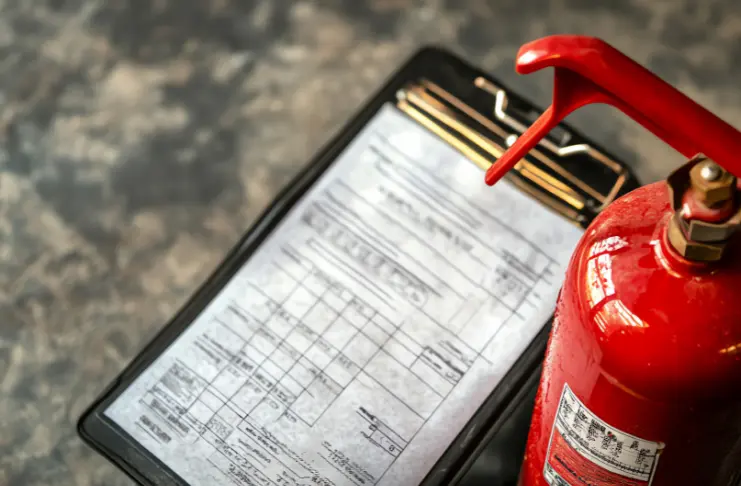
A Fire NOC confirms that a café meets fire safety standards set by the local fire department. While smaller cafés may not need it, the requirement applies once seating capacity, floor area, or building type crosses specified limits.
Fire NOC requirements depend on-
- Seating capacity, especially for customer-heavy cafés
- Built-up area of the premises
- Location, such as malls, high-rise buildings, or commercial complexes
As a part of the inspection process, fire authorities inspect the premises to verify safety measures such as exits, extinguishers, and emergency access. Approval depends on adherence to local fire safety norms.
Cost: Costs vary based on city, café size, and inspection requirements, and generally start from Rs. 5,000.
6. Health / Eating House License
The Health or Eating House License regulates hygiene and public health standards in customer-facing food establishments. For cafés, this approval confirms that food service, sanitation, and premises conditions meet local health and safety expectations.
- Depending on the city, it may be issued by the local health department or the local police authority.
- Its purpose is to ensure cafés operate in a manner that does not pose health risks to customers or the surrounding area.
- Authorities assess sanitation, cleanliness, waste disposal, water usage, and general food handling practices.
- Physical inspections are typically required, and approval depends on meeting city-specific health norms.
Fees and validity period: Fees for health trade licenses vary by city and local regulations, but are generally moderate. The license is usually issued for one to three years, after which renewal is required to continue operations legally.
EXPERT OPINION
7. Signage and Advertisement Permission
Signage permissions regulate how cafés display their name, branding, and promotional material in public-facing spaces. These approvals ensure that signage does not obstruct public areas, violate civic aesthetics, or create safety issues.
Signage license is typically required when a café installs:
- Exterior signboards visible from public roads
- Illuminated or backlit signs
- Branding on building façades, common areas, or pavements
Local municipal bodies define rules around sign dimensions, placement height, projection from walls, lighting intensity, and materials used. Regulations are often stricter in heritage zones, residential areas, or high-footfall commercial streets.
Moreover, unauthorized signage is treated as a civic violation. Municipal authorities may issue fines, remove signage without notice, or raise objections during routine inspections, which can delay other approvals.
Costs: Permission fees vary by city and are usually linked to sign size, type, and placement.
Approval Timeline: Approvals are generally issued within a few days to two weeks, provided the signage design complies with local norms.
8. Music License

Any café that plays recorded music for customers, whether through speakers, playlists, or streaming services, requires a music license.
Volume or intent does not change applicability; public playback in a commercial space requires you to apply for a license.
At the same time, recorded music and live performances fall under different rules. Cafés that host live music may need permissions beyond those required for recorded tracks. Copyright bodies representing composers and recording owners handle these licenses separately.
Operating without a valid music license can result in legal notices, penalties, and claims for damages, especially during inspections or complaints.
Costs: License fees cost around Rs. 10,000 per year, and can vary depending on the city.
9. Liquor License (If the Café Serves Alcohol)
Liquor licensing is one of the most tightly controlled approvals for cafés. It governs the sale and service of alcoholic beverages and is regulated entirely at the state level.
Applicable license types depend on:
- Whether alcohol is served with food
- On-premise consumption rules
- The café’s classification under state excise laws
State rules also differ significantly. Some states limit the number of licences, restrict operating hours, or apply location rules such as minimum distance from schools or places of worship.
Once licensed, cafés must also comply with specific operating conditions.
Cost and Renewal: Liquor licenses are significantly more expensive than other café approvals and usually require annual renewal. Costs vary sharply by state, city category, and seating capacity.
10. Outdoor Seating, Terrace, or Open-Air Café Permissions
Outdoor or open-air seating changes how a café interacts with public and shared spaces. Separate permissions are often required when the service extends beyond enclosed premises.
Additional approvals are typically needed for-.
- Pavement or sidewalk seating
- Terrace or rooftop cafés
- Seating in shared or open commercial areas
Authorities assess public access, emergency movement, noise levels, and crowd management before granting permission. In residential or mixed-use zones, resident welfare approvals may also be required.
Non-compliance can lead to removal orders, fines, or restrictions on operating hours.
Costs: Fees depend on the area used, duration of permission, and city-specific policies.
Approval Timeline: Approval timelines usually range from a few weeks to about a month, depending on the number of authorities involved.
Common Licensing Mistakes Café Owners Make

- Applying under the wrong license category: Many café owners select license categories based on convenience or cost rather than eligibility. This is especially common with food safety approvals, where turnover or operational scale is misjudged, leading to compliance issues during inspections or renewals.
- Ignoring state-specific rules: Licensing requirements vary across India. Labor laws, excise regulations, and local permissions vary by state and city. Applying the same compliance approach across locations often results in partial or incorrect approvals.
- Missing renewals and compliance deadlines: Different licenses come with different validity periods. Missing a renewal deadline can invalidate approvals without notice, exposing the café to penalties or operational restrictions.
- Assuming licenses transfer with the property: Most café licenses are issued to a specific operator at a specific location. When taking over an existing space, owners often assume prior approvals remain valid, which is rarely the case.
Conclusion
Opening a café in India becomes far more manageable when licensing is treated as a planned business step rather than an administrative hurdle. The right approvals bring clarity to operations, reduce uncertainty during inspections, and support smoother growth decisions.
With an understanding of the licenses that apply to your café and securing them early, you set up a compliant and credible business and scale with confidence.