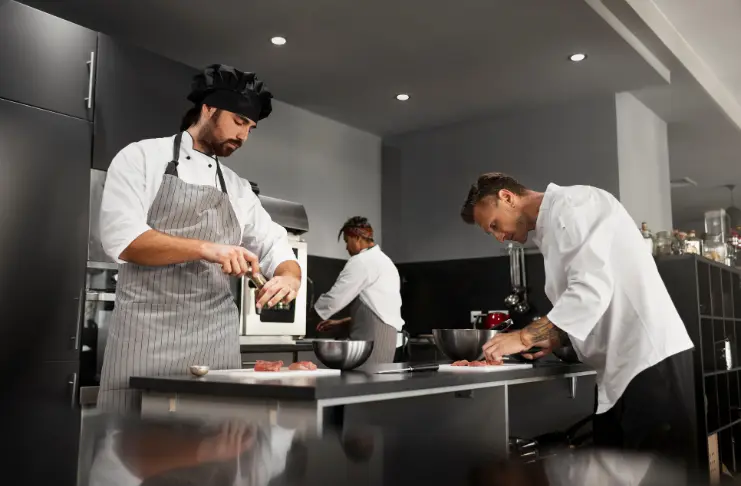

The first wave of cloud kitchens, often called ghost or dark kitchens, was born out of necessity. What started as a pandemic-driven survival model has now evolved into a core pillar of the global food service industry, driven by convenience, digital ordering, and asset-light scalability.
But as the model matures, we are entering a new phase—Cloud Kitchens 2.0, where success is no longer defined by simply launching delivery-only brands, but by technology, profitability, and differentiation.
In the early days, the race was about how many kitchens and brands you could launch. Today, the focus has shifted dramatically towards unit economics, per kitchen profitability, and customer lifetime value.
The industry is moving from growth at all costs to sustainable margins, forcing operators to rethink operations, menus, and brand strategy. Cloud Kitchens 2.0 is about doing more with less and doing it smarter.
Generic food brands are losing relevance. The future belongs to hyper-focused, niche concepts like Keto-only kitchens, Regional, authentic cuisine brands, health-driven offerings, for example, vegan, zero oil, high protein, etc.
This shift reflects a deeper consumer expectation, personalization, and authenticity over mass appeal. In Cloud Kitchens 2.0, winning brands don’t try to serve everyone; they own a micro market. If Cloud Kitchens 1.0 was about food, 2.0 is about systems.
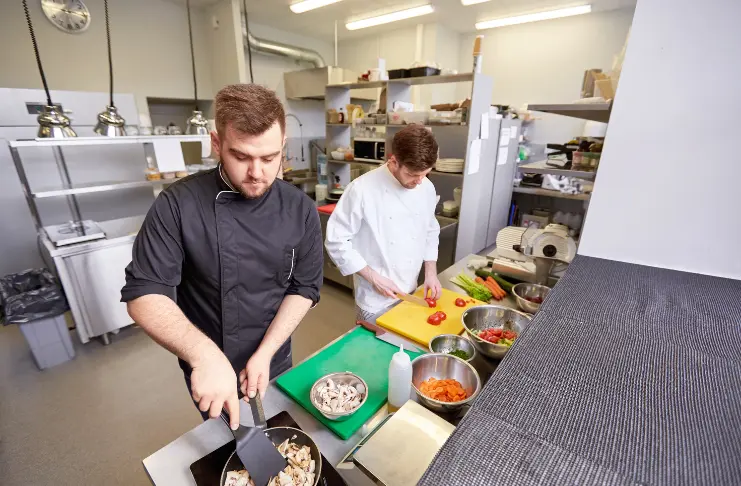
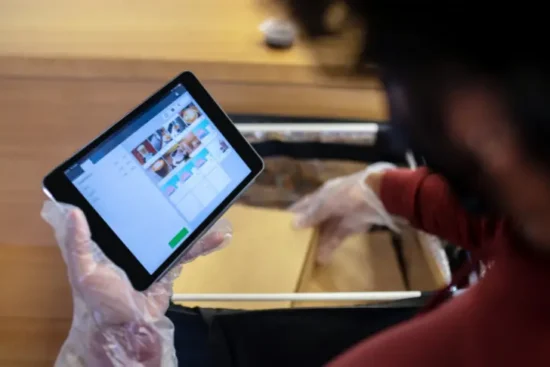
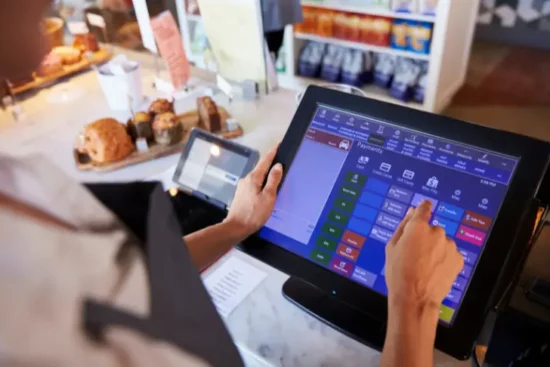
The modern cloud kitchen is less of a kitchen and more of a data-driven production unit, where decisions are powered by analytics rather than intuition. They are Multi-Brand, Single Infrastructure. Brand portfolios are also optimized for different dayparts and customer segments.
Companies like large cloud kitchen operators have already demonstrated how a single kitchen can power multiple high-performing digital brands, maximizing asset utilization.
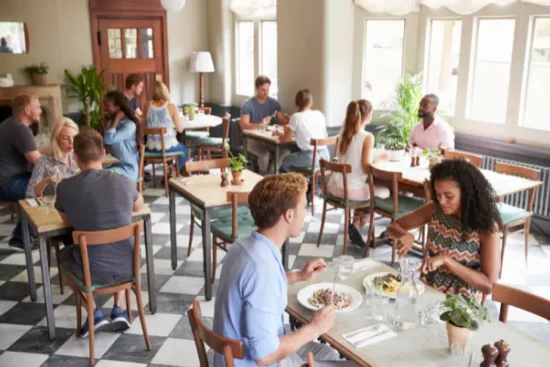
One of the biggest realizations post-2023 is that pure cloud kitchens are not enough. Cloud kitchen combined with dine-in flagship, delivery-first brands, and physical experience centers with micro dine-in and high-efficiency backend kitchens. This model brings Brand trust, Customer visibility, and Better margins.
Cloud Kitchens 2.0 is not replacing restaurants; it is integrating with them. Let’s call it Kitchen as a Service.
A major shift underway is the rise of Kitchen as a Service, where fully equipped kitchens are available on demand, built in compliance, staffing, and tech, and a faster go-to-market for F&B entrepreneurs. This is lowering entry barriers and enabling Home chefs to scale, D2C brands to enter hot food, and regional cuisines to expand nationally. Cloud kitchens are becoming platform ecosystems, not just infrastructure.
One of the harsh truths uncovered over the last few years is high delivery commissions, rising food and labor costs, and low margins.
Cloud Kitchens 2.0 is responding with direct ordering channels using its own apps, websites, and loyalty models, plus using menu engineering for higher margins, optimizing delivery radius, and pricing.
The focus is clear: profitability followed by sustainability & responsible operations. The next wave is also being shaped by conscious consumption with things like eco-friendly packaging, zero-waste kitchens, and Local sourcing. Consumers are increasingly choosing brands that align with their values, pushing cloud kitchens toward greener operations.
Growth is no longer limited to metro cities. Cloud kitchens are expanding into smaller cities, emerging consumption clusters, and high-growth delivery markets.
What Will Define Winners in Cloud Kitchens 2.0?
The next generation of winners will be those who will master data over instinct, niche over scale, profitability over expansion, experience over anonymity, and ecosystems over standalone kitchens.
Cloud Kitchens 2.0 is not just an evolution; it’s a redefinition of the food business. It’s where technology meets culinary creativity, logistics meets brand building, and efficiency meets experience. The question is no longer “Should you build a cloud kitchen?” The real question is, how intelligent, differentiated, and sustainable can your cloud kitchen become?