

Opening an ice cream shop is exciting, but choosing the wrong POS system can quietly drain your margins before you ever hit your stride. Between transaction fees, monthly software costs, hardware expenses, and hidden charges, the “affordable” option on paper can end up being the most expensive decision you make. A strong POS system is essential for ice cream shops to handle seasonal revenue spikes, as 70% of yearly income can come in just four summer months. Getting this decision right from day one matters more than most new ice cream shop owners realize.
This guide breaks down the most cost-effective POS software options for new ice cream shops, with real pricing, honest trade-offs, and clear guidance on what to prioritize when every dollar counts.
What You Will Learn
-
- Why ice cream businesses have unique POS requirements that generic systems often miss
-
- The real total cost of ownership across the most popular POS options
-
- Which features are worth paying for on day one, versus what can wait
-
- How to calculate the right POS system for your specific transaction volume and format
Why Ice Cream Shops Need the Right POS System
Before understanding why ice cream shops need a POS system, it’s important to understand why ice cream businesses are one of the toughest.
Watch to know more:
Modern POS systems often integrate with various software tools, including accounting platforms and e-commerce websites, to streamline operations and enhance functionality. Many POS systems offer integration capabilities with popular e-commerce platforms, allowing businesses to manage online and in-store sales from a single system. Many modern POS systems for ice cream shops offer features that allow for ingredient-level tracking, which is essential for managing the stock of various flavors and toppings. This makes them very important for ice cream shops.
Unique Challenges of Ice Cream Shop Operations
The business process of an ice cream shop is completely different from those of restaurants and stores. The ice cream business requires handling perishable stock, mass, inexpensive transactions, lots of choices for modification, and very distinct seasonality in revenue generation. An effective POS solution is absolutely essential for small ice cream shops that generate about 70% of their revenue within 4 months during peak season.
A dedicated ice cream shop platform should ensure ease of transaction management for the store staff during your peak season. Not only will the lack of speed or awkwardness of your POS system irritate the customers, but it will also cost you money. Ease of use of the POS system by your staff is what you should keep in mind while choosing the POS solution.
How the Right POS Saves Money for New Shops & Allows Repeat Business
The correct POS system does much more than just processing payments; it handles inventory, captures customer information, facilitates loyalty schemes, and provides sales information needed for making evidence-based decisions. The POS system for ice cream allows business owners to manage inventory, labor, and sales while assisting with creating loyalty schemes. All of these services have their own effect on cutting costs:
-
- Effective management of inventory at ice cream stands allows you to ensure that all favorite flavors will be available and not overstock them, which leads to wastage.
-
- Inventory management systems help you get notifications about low inventory and reorder products, which allows you to be ready for any demand.
-
- Customer relationship management (CRM) systems significantly influence customer loyalty when implemented in POS systems of ice cream retail businesses.
Top Cost-Effective POS Systems for New Ice Cream Shops
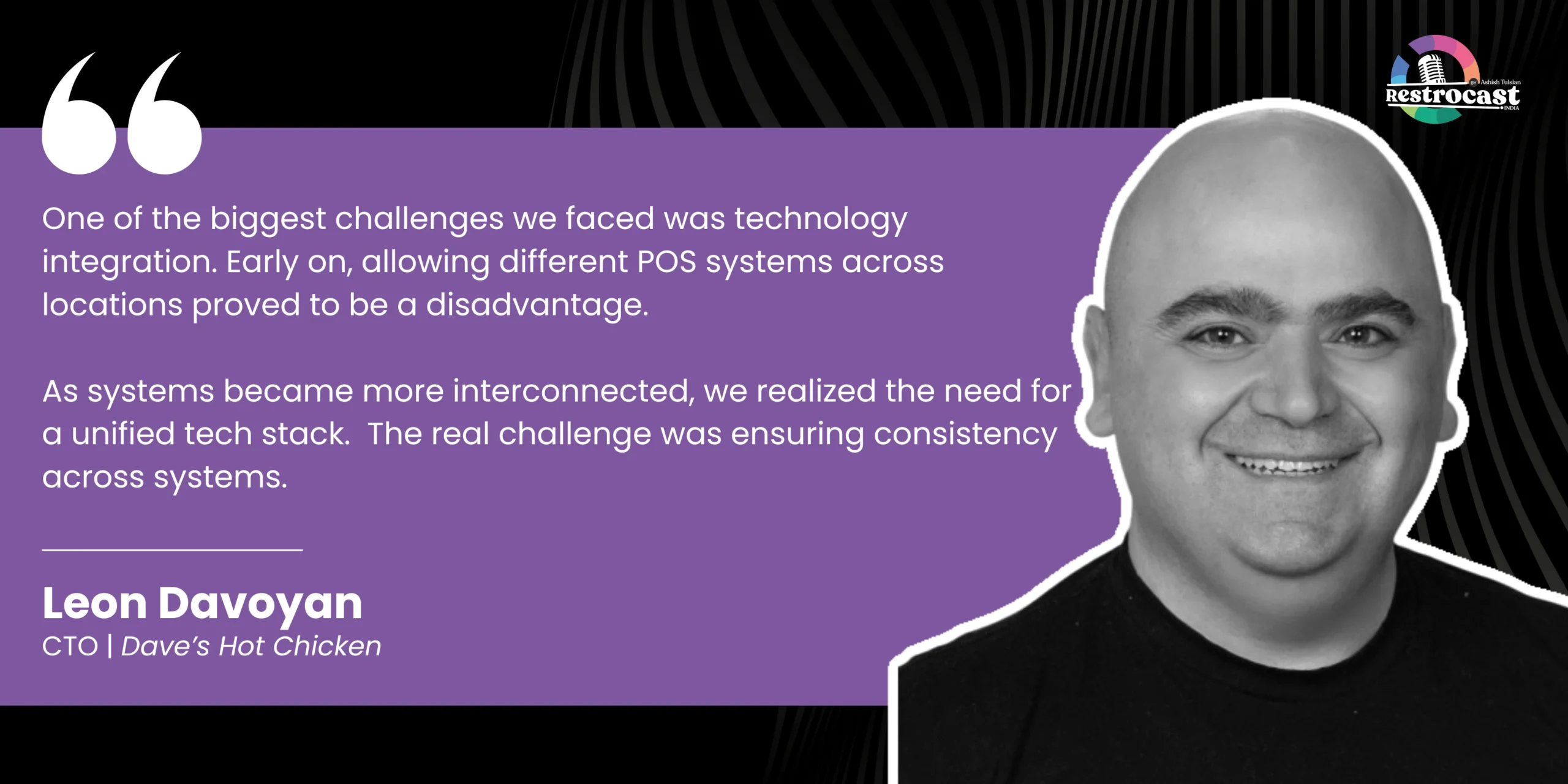
In 2026, cost-effective POS software options for new ice cream shops include Square, Clover, and Shopify POS. The biggest challenge operators face is technology. Leon Davoyan talks about these challenges onthe Restrocast podcast, which makes us realize how important it is to know more. So, let’s not just sit with the name; let’s see what features can help us save costs.
Is a Flat-Fee POS System Better for Higher-Volume Ice Cream Parlors?
A flat-fee monthly POS software–where you pay a minimum of $155 per month depending on how much you need the software for your ice cream shop–will include inventory control, customer loyalty, gift card support, and sales analytics without extra fees. If you are earning $15,000 a month, then a lower transaction rate or a flat fee will save you a lot of money compared to the free-tier plans.
The formula here is simple:e; if the combined cost of your monthly revenue multiplied by your transaction rate and the monthly fee you pay is lower than the transaction rates you are paying in the free tier at your level of sales, then the paid plan makes sense. With $250,000 in revenue annually, 0.3% is worth $750, which more than covers the software subscription fee of $50 a month.
These systems are better suited for:
-
- Ice cream parlor operations with consistent year-round volume
-
- Shops that need advanced reporting and inventory tracking built in
-
- Businesses that want all features on one platform without paying per integration
What About Entry-Level Options With Free Trials?
Some of the POS suppliers have plans beginning from $16 per month, and they provide 90-day free trials, which means that their POS systems are very inexpensive solutions for new small companies. Indeed, the 90-day trial period is especially beneficial for seasonal businesses like the ice cream business because it allows testing the system within its real peak period of operation. It will help a lot to minimize risks while you are just evaluating your business model.
Transaction fees of the POS systems vary from 1.4% up to 2.89%, and it depends upon the supplier and a particular pl…
POS Pricing Breakdown: What New Ice Cream Shops Actually Pay
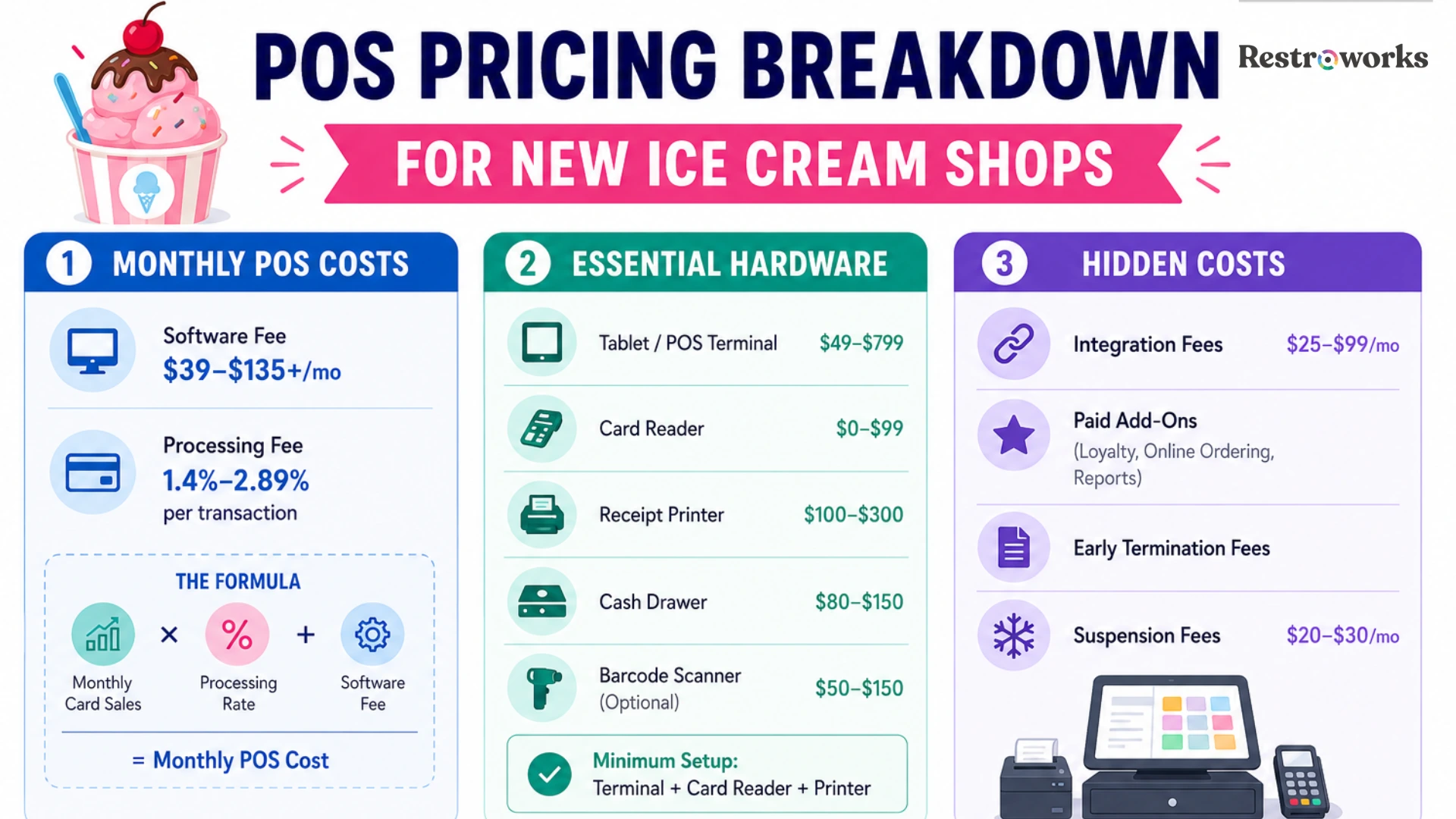
Did you know that the transaction processing fees are a primary cost associated with POS software, even if the software is marketed as free? There are many hidden costs associated with POS, so let’s understand them all:
Monthly Software Fees vs. Transaction-Based Pricing
The pricing structures for restaurant POS systems can vary significantly, with some offering free plans while others charge monthly fees ranging from $39 to over $135. Transaction fees for POS systems typically range from 1.4% to 2.89% per transaction, depending on the provider and plan chosen. Many POS systems offer tiered pricing plans, where the cost increases with additional features or capabilities, allowing businesses to choose a plan that fits their needs and budget.
The key calculation for any new ice cream business:
-
- Monthly card revenue × processing rate = monthly transaction cost
-
- Monthly transaction cost + software fee = true monthly POS cost
-
- True monthly POS cost × 12 = first-year software and processing spend
Run this calculation at your projected revenue level for each system before making a choice.
Hardware Costs: What You Really Need to Start
A typical restaurant POS system includes essential hardware components such as a terminal, kitchen display system, payment terminal or card reader, cash drawers, and a receipt printer. Not every ice cream shop needs all of these from day one. For a simple scoop shop or soft-serve counter, the minimum viable hardware setup is a tablet or terminal, a card reader, and a receipt printer. A cash register remains useful for cash transactions, but is optional if you go card-only.
Hardware costs to budget for:
-
- Basic tablet or countertop terminal: $49 to $799, depending on the system
-
- Card reader: $0 to $99
-
- Receipt printer: $100 to $300
-
- Cash drawer: $80 to $150
-
- Barcode scanner for tracking packaged items: $50 to $150
Flexible hardware options and the ability to use existing iPads or tablets can significantly reduce upfront costs. Check whether your chosen POS software requires proprietary hardware or works with devices you already own before purchasing anything new.
What Are the Hidden Costs New Ice Cream Shop Owners Miss?
Transaction processing fees are a primary cost associated with POS software, even if the software is marketed as free. Beyond the headline fee, watch for:
-
- Integration fees: The cost of linking to accounting software, delivery, and e-commerce sites might be $25 to $99 per month per integration, despite the fact that these links are classified as “available.”
-
- Paywall features: Some premium features, such as loyalty programs, enhanced reporting, and online ordering, can be paywalled in POS systems; make sure to learn about available features on the basic plan.
-
- Early termination fees: While annual plans are more economical on a monthly basis, early termination fees may apply in case you decide to terminate or switch to another provider.
-
- Suspension fees: Some POS providers charge between $2andto $30 monthly fees for subscription suspension, which can become quite relevant for seasonal ice cream shops that need to suspend subscription for several months.
Nowadays, POS systems integrate with numerous software solutions, among which accounting platforms and e-commerce sites are most popular. Numerous POS systems have links to popular e-commerce sites, making it easier for companies to manage their online and in-store sales using one and the same platform. These integrations bring additional value – but at some price.
Essential Features Worth Paying For (And What Can Wait)
Effective POS systems for ice cream shops should facilitate fast transaction handling during seasonal rushes. When choosing a POS system, it’s important to consider the ease of training, especially in environments with high employee turnover, as a user-friendly interface can reduce onboarding time and mistakes. Many modern POS systems for ice cream shops offer features that allow for ingredient-level tracking, which is essential for managing the stock of various flavors and toppings. A user-friendly interface in POS systems is crucial for ice cream shops, as it reduces training time for seasonal staff and enhances operational efficiency during busy periods. Let’s see this further:
Must-Have Features for Day One
Not every feature in a full-featured POS system is worth paying for when you are just opening. Here is what actually matters from the first week of operation:
Modifier management for toppings and mix-ins
Many modern POS systems for ice cream shops offer features that allow for ingredient-level tracking, which is essential for managing the stock of various flavors and toppings.
Fast transaction processing
Effective POS systems for ice cream shops should facilitate fast transaction handling during seasonal rushes; anything that slows your service to customers during a rush costs real revenue.
Basic inventory tracking
Track inventory at the flavor and ingredient level to know when to reorder without overbuying perishable stock.
Multiple payment options
Accept debit card, mobile payments, and contactless payment alongside cash;h, limiting payment options during busy periods creates friction and lost sales.
User-friendly interface
A user-friendly interface in POS systems is crucial for ice cream shops, as it reduces training time for seasonal staff and enhances operational efficiency during busy periods
Features to Add After Year One In-store Operations
These are genuinely valuable but not day-one priorities for a new ice cream shop on a tight budget:
Advanced loyalty programs
Integrating customer loyalty programs with POS systems allows ice cream shops to track customer preferences and purchase history, enabling targeted promotions and personalized marketing efforts. Effective loyalty programs can encourage customers to return more frequently, which is crucial for ice cream shops that experience fluctuating demand throughout the year, but set this up once you have a stable customer base.
Online orders integration
Online ordering adds revenue but also complexity. Add it in year one once in-store operations are running smoothly.
Advanced reporting and analytics
Basic sales tracking is enough to start. Advanced reporting becomes valuable when you have 6 to 12 months of sales data to compare against
Ice Cream-Specific Cost Considerations
The seasonal nature of ice cream retail creates financial dynamics that most POS guides ignore. If your ice cream parlor operates six months per year but pays for POS software twelve months, your effective monthly cost is double the listed price. A $99 per month system costs $148 per effective operating month for a seasonal shop. Factor this into every pricing comparison.
A good POS system for ice cream shops should allow for easy menu customization to accommodate seasonal changes and promotions, ensuring staff can quickly update offerings. It is more important than many operators think, as changing seasonal flavors, limited-time toppings, and promotional pricing should happen fast without any IT support.
Integrations with the customer relationship management system are an important characteristic of current POS systems, as through them, businesses can manage their customers’ preferences along with their loyalty programs. Such loyalty programs are extremely necessary for ensuring that the clients keep coming back to your place, especially if you have seasonal business such as ice cream.
INDUSTRY INSIGHT
How to Choose the Right POS System for Your Ice Cream Shop
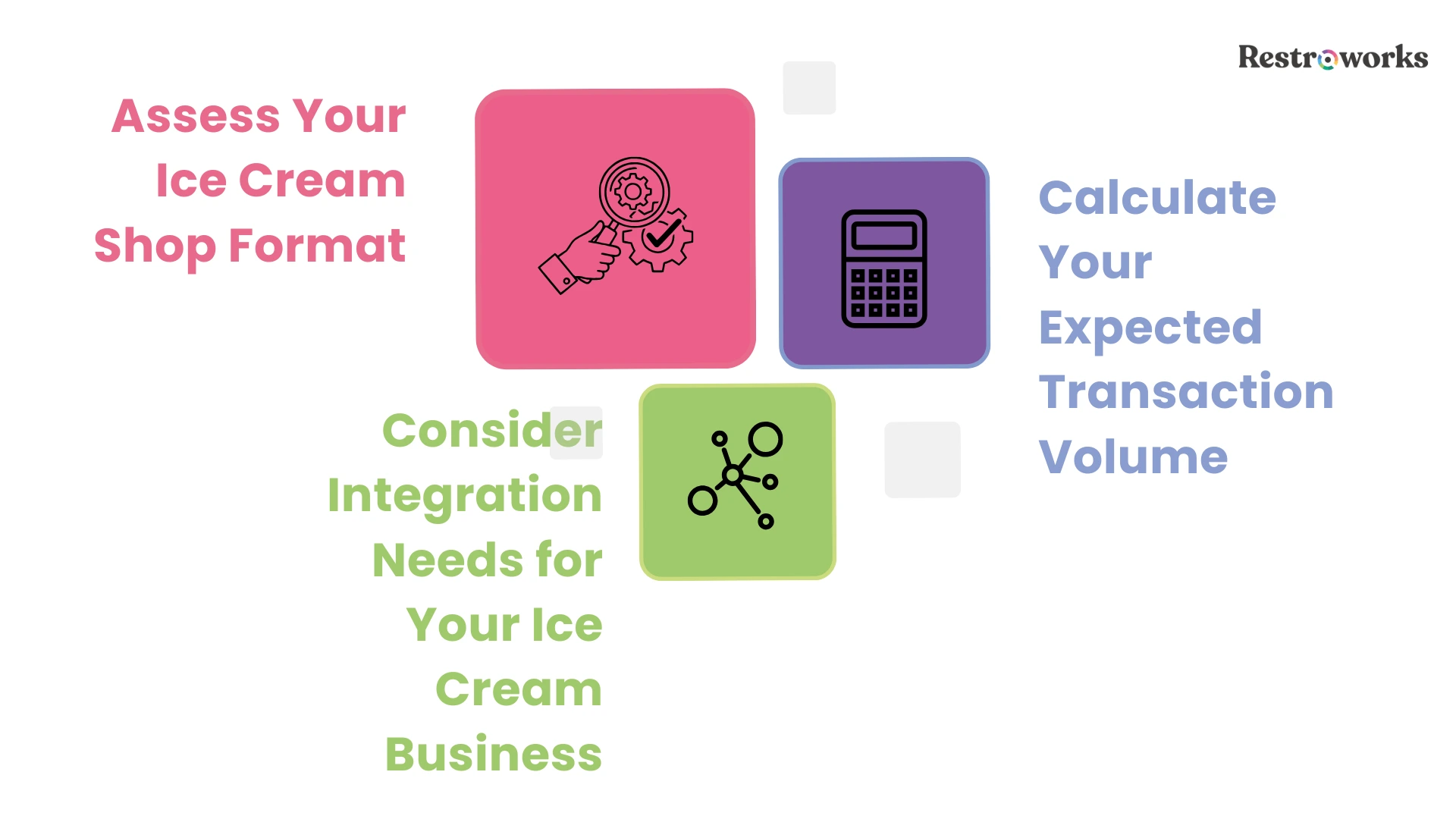
What are you looking for in your ice cream shop? Asking this question is the only way to choose the right ice cream shop POS for your business.
Assess Your Ice Cream Shop Format
Your ice cream business format determines which POS features are non-negotiable:
- Scoop shop or ice cream parlor: Needs modifier management for toppings, fast transaction handling, and basic inventory tracking
- Soft-serve or quick-service counter: Prioritizes transaction speed and a simple, user-friendly interface over complex inventory features
- Food truck or mobile operation: Requires mobile POS capability and a reliable offline mode for locations without stable internet
Calculate Your Expected Transaction Volume
Before choosing between free-tier percentage-based pricing and flat-fee monthly plans, calculate your projected monthly card volume:
- Under $8,000 per month in card sales: free-tier transaction-based pricing likely wins
- $8,000 to $20,000 per month: compare total cost at your exact volume for each option
- Over $20,000 per month: a flat-fee plan with lower processing fees almost always saves money
Consider Integration Needs for Your Ice Cream Business
Consider the systems that you have or will be using in the conduct of your business. The integration with the accounting system saves on manually entering data. Integration with delivery platforms gives you an online selling platform. Integration with e-commerce platforms enables you to sell products from your own online shop. This integration brings value,ue but it also comes at an additional cost.