
So you’re thinking of starting a bakery business. Maybe it’s because you love baking or because you see the potential in this business. Either way, it’s an exciting idea. But what can be challenging is figuring out the direction you can take.
You see, between birthday cakes, custom desserts, and late-night cravings, bakeries sit at the center of habit and indulgence for customers. That means you have several formats and concepts to explore, be it a custom cake studio or a cloud bakery. Each one comes with its own requirements, demand patterns, and growth potential.
This blog brings together a range of bakery business ideas you can explore based on your skills, resources, and the kind of business you want to build.
What you will learn
- The top bakery business ideas to explore
- How can you choose the right business idea
- How to test your baking business idea
The Best Bakery Business Ideas for 2025
The U.S. bakery products market is expected to grow at a CAGR of 1.62% from 2023 to 2029. But bakeries are no longer limited to traditional retail cake shop formats. Today, you’ll find a mix of product-led, niche, and experience-driven concepts.
The best bakery idea for you depends on how you want to operate, whether you prefer custom orders, daily sales, or a focused niche with premium positioning.
Let’s explore some of the best bakery business ideas.
A. Specialty Bakery Concepts
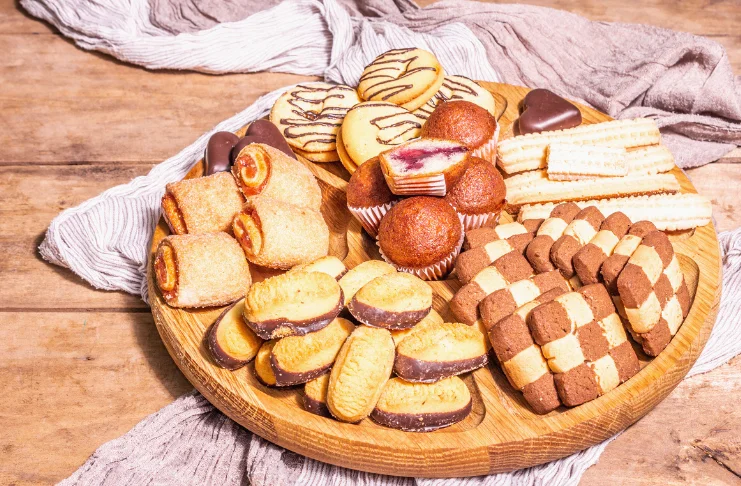
Specialty bakeries focus on a certain product line or niche. This allows you to build a clear identity, differentiate from competitors, and even charge higher prices for the premium products.
1. Custom Cake Business
A custom cakes business specializes in occasion-based demand for birthdays, weddings, anniversaries, and events. It’s a creative, detail-heavy work, where customers will be more than willing to pay a higher price for personalized, visually stunning cakes.
One good way to manage customizations is to also offer a few set designs where customers can tweak colors, text, or small elements. Additionally, you can-
- Define niche design categories, for example, celebration cakes, holiday cakes, and kids’ themes
- Set standard sizes, flavors, and pricing tiers to simplify your pricing structure
- Fix lead times and order slots for seamless operations
2. Cupcake Bakery
Cupcakes are popular products for celebrations or everyday treats. Plus, they are easier to bake in batches and have a lot of room for customization and flavors.
A lot of cupcake businesses grow through small bulk orders, such as office treats, return gifts, and small parties. Or you can also sell them through your home bakery business, where you can reach more customers with online orders.
3. Dessert Charcuterie Boards
Artfully arranged dessert charcuterie boards are a relatively newer format, which has picked up because it works for gifting and small events really well. It features a well-presented box or board of baked goods — brownies, cookies, fruits, cupcakes, or ready-to-eat components like chocolates, dips, and crackers.
Their colorful, aesthetic appeal has also made them a hit on social media, where you can regularly post your creations. It also carries a high perceived value, so customers may be willing to pay more.
4. Artisanal Breads
The US bread market generates $25.93 billion in revenue, with per capita consumption of 25.93 kilograms in 2024. At the same time, the US artisanal bakery products market is projected to grow from $22.5 billion in 2024 to $35.4 billion by 2033.
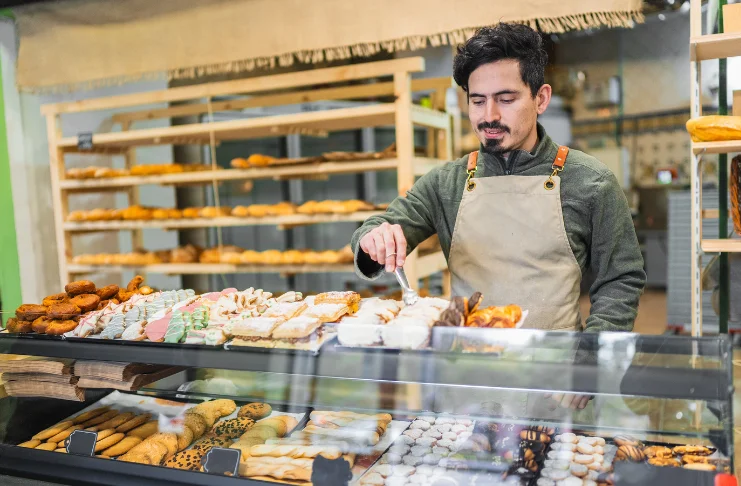
Artisanal bread bakeries focus on everyday products like sourdough, multigrain loaves, brioche, or sandwich breads that customers buy regularly.
Most specialty bread bakeries keep a simple and consistent menu, with a few core products and occasional specials. This baking business idea works because bread is an everyday product, which means there will be repeat demand.
5. Baked Goods for Pets
Baked goods for pets are a niche but growing segment, driven by pet owners who are willing to spend on safe, high-quality treats. Products can include dog biscuits, cupcakes, and small celebration cakes for pets.
What matters most here is that you need to ensure ingredient transparency and trust. Clearly communicate what goes into your products, such as no sugar or no harmful additives, to build a good space for your business. You can sell through pre-orders, online channels, or even partner with pet stores and communities.
B. Low-Overhead Bakery Business Models
A lot of baking business ideas help you get started on a small investment and build as you find a niche or market for yourself. These are good business options for testing demand or experimenting with concepts before committing to a larger setup.
1. Home Bakery Business
A home baking business is one of the most accessible ways to start. You can work with a small menu, take pre-orders, and scale gradually based on demand. Additionally, it involves low investment and overhead costs, and you can start with a simple setup.
This setup also depends a lot on the food delivery ecosystem. In the early stages, you can start with self-delivery or customer pickup, albeit within a specified radius. And as volume grows, you can get listed on third-party delivery platforms like Uber Eats and DoorDash to reach a wider audience.
2. Baking Classes and Workshops
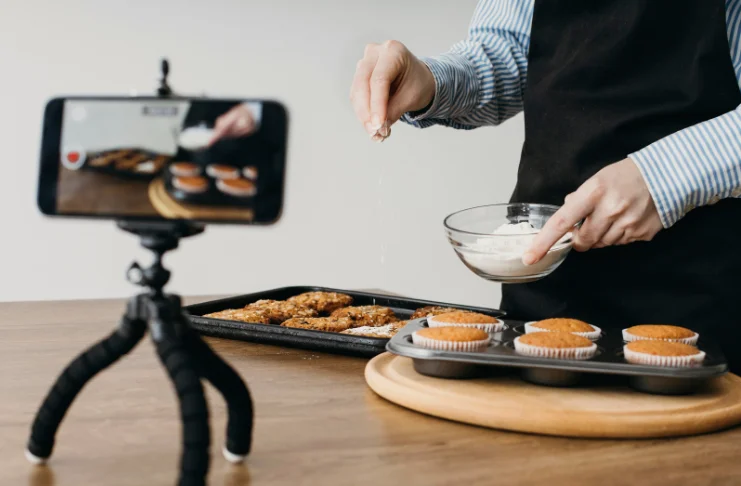
If you’re skilled at baking, teaching can become a steady revenue stream alongside or selling or even instead of it. You not only have the flexibility to take baking classes in person or online, but you can also reach a wider audience at a minimal investment. Here, fees depend on the level of skill and instruction.
3. Mobile Bakery
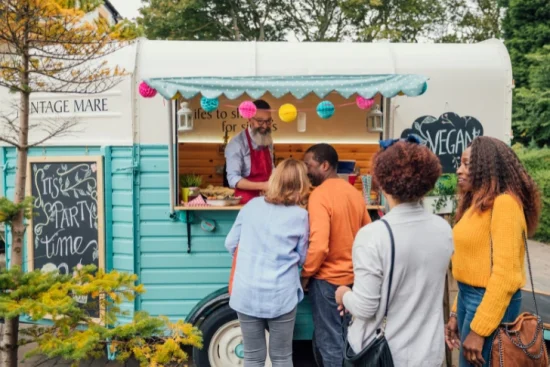
A mobile bakery operates without a fixed storefront. This could be a food truck or a stall at malls, markets, and event venues. This is a great way to start a low-cost bakery business in high-footfall areas.
Not to mention, you get immense flexibility to test locations and demand without committing to permanent rent. However, since you’re selling on the go, it becomes important to plan your inventory and logistics smartly.
4. Baking Blog
If you don’t want to manage a baking business and are still passionate about the skill, a baking blog is a completely different route you can take. Instead of selling products, you’re sharing what you know—recipes, tips, experiments, and learnings.
You can start simple with a website to share well-written recipes with good-looking images. Once you identify your loyal customers, it will be easier to tailor your content and voice to resonate with them. You can also monetize this with-
- Ads once your traffic grows
- Brand collaborations for ingredients, tools, and baking supplies
- Affiliate links or your own digital products, like recipe books
It’s slower, no doubt. You won’t see quick money here. But if you stick with it, it becomes an asset that keeps bringing in traffic and income without you baking every day.
5. YouTube Baking Channel
If you’re more comfortable recording than writing, a YouTube channel might suit you better. A YouTube channel lets you actually demonstrate your baking skills and process. This includes step-by-step recipes, easy baking tips, and short, trend-based videos for engagement.
You don’t even need a full studio to start. Just invest in high-quality camera equipment to get started and make sure your content is clear and useful. Once your channel picks up, you can earn through ads, sponsorships, and even sell your own courses or guides.
C. Occasion-Driven Bakery Business Ideas
Baked goods like celebration cakes, themed cupcakes, or premium desserts like croissants and macarons are not your everyday treats. People often buy them for special occasions, indulgence, or gifting purposes, and a business idea based on this can be a profitable venture.
1. Event catering
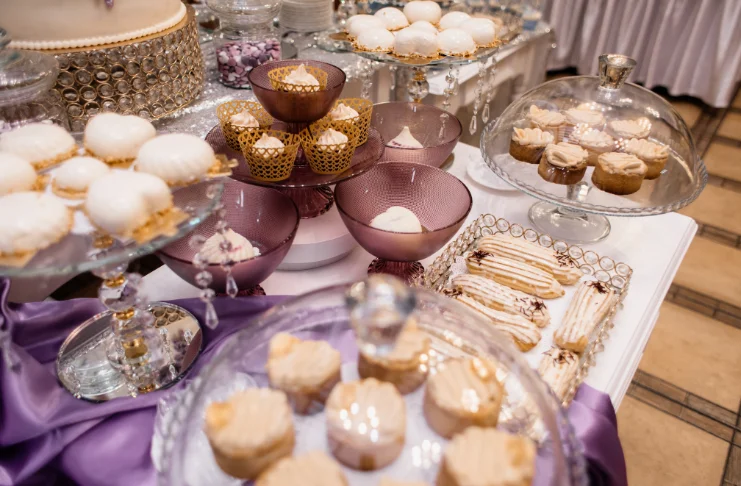
A catering business is all about large, pre-planned orders for events, such as weddings, corporate clients, or private parties. Instead of selling individual items, you’re supplying dessert tables, bulk quantities, or curated menus.
What you’re really offering here is convenience and scale. This also means you’ll be handling everything from the client, from variety and presentation to timely delivery. In this business, you can-
- Create set menus or packages (for example, based on servings or dessert types like wedding cakes)
- Focus on items that are easy to produce in bulk and travel well
- Plan logistics carefully to ensure your products reach the customer on time and maintain quality.
A good way to build a client base is to network and outreach or partner with event planners for regular, repeat business.
2. Party Favors
Party favors include small, packaged baked goods you sell as return gifts for birthdays, weddings, baby showers, or corporate events. This business features high-volume, standardized orders and a predictable production system.
Plus, this baking business idea can be one service you offer as a part of your home baking or retail bakery business, where you can produce in batches and take big orders.
3. Pop-Ups
Pop-ups are temporary setups, like weekend stalls, flea markets, exhibitions, or collaborations with cafés and stores. You’re selling directly to customers, but without committing to a permanent commercial kitchen space.
This gives you the advantage of flexibility as you can test products, pricing, and locations without long-term risk.
- Choose small or bite-sized products like brownies, gourmet cookies, jar cakes, etc., that are quick to sell and easy to carry
- Open pop-up stalls at community events, office parks, food festivals, or malls as a way to build visibility and attract new customers to your business
Like the party favors business concept, you can also use pop-ups to increase reach, promote your brand, and convert one-time buyers into repeat customers.
D. Cuisine-Based Bakery Specialties
Starting a bakery that specializes in desserts from a particular region or culture is a good way to stand out. In a crowded market where most bakeries offer similar menus, you pick a cuisine, go deeper into it, and build your identity around those flavors and techniques.
Customers here are looking for unique or specific regional desserts, which allows you to position your products as premium.
1. Middle Eastern Desserts
Desserts like baklava, kunafa, and basbousa already have strong recognition, especially in metro cities where people are more interested in trying out global flavors. This means there is an opportunity that you can tap into. These products work particularly well for-
- Everyday indulgence
- Festive gifting because of the longer shelf life
- Premium assortments
2. Asian Desserts
Products like Japanese cheesecakes, mochi donuts, and Korean-style buns have gained popularity largely through social media and food trends. They look different, feel lighter, and stand out visually.
This category attracts a younger, trend-driven audience who want to try something new. And there’s still limited direct competition in many areas, so you have the chance to truly carve a niche for yourself by promoting these on social media.
3. French Pastries
French pastries carry a certain perception. A good French pastry means precision, technique, and premium quality. Fresh items like croissants, cream-filled éclairs, Pain au Chocolat, and macarons are already well-known, but their taste and quality vary widely across bakeries.
That gap creates an opportunity for you to specialize in French pastries because customers are willing to pay more for well-made, authentic versions.
These products also fit everyday indulgence and gifting purposes, so you can focus on a small, high-quality menu to become a specialty bakery.
E. Healthy Bakery Concepts
Healthy bakery business ideas focus on meeting specific customer needs, such as dietary restrictions, lifestyle choices, or ingredient preferences. Since people are actively looking for options they can trust, it makes this space different.
If you get it right with consistent quality and transparency, customers won’t switch easily, and you can build a loyal customer base. As Mazen Kanaan, founder of House of Pops, points out in a conversation on Restrocast–
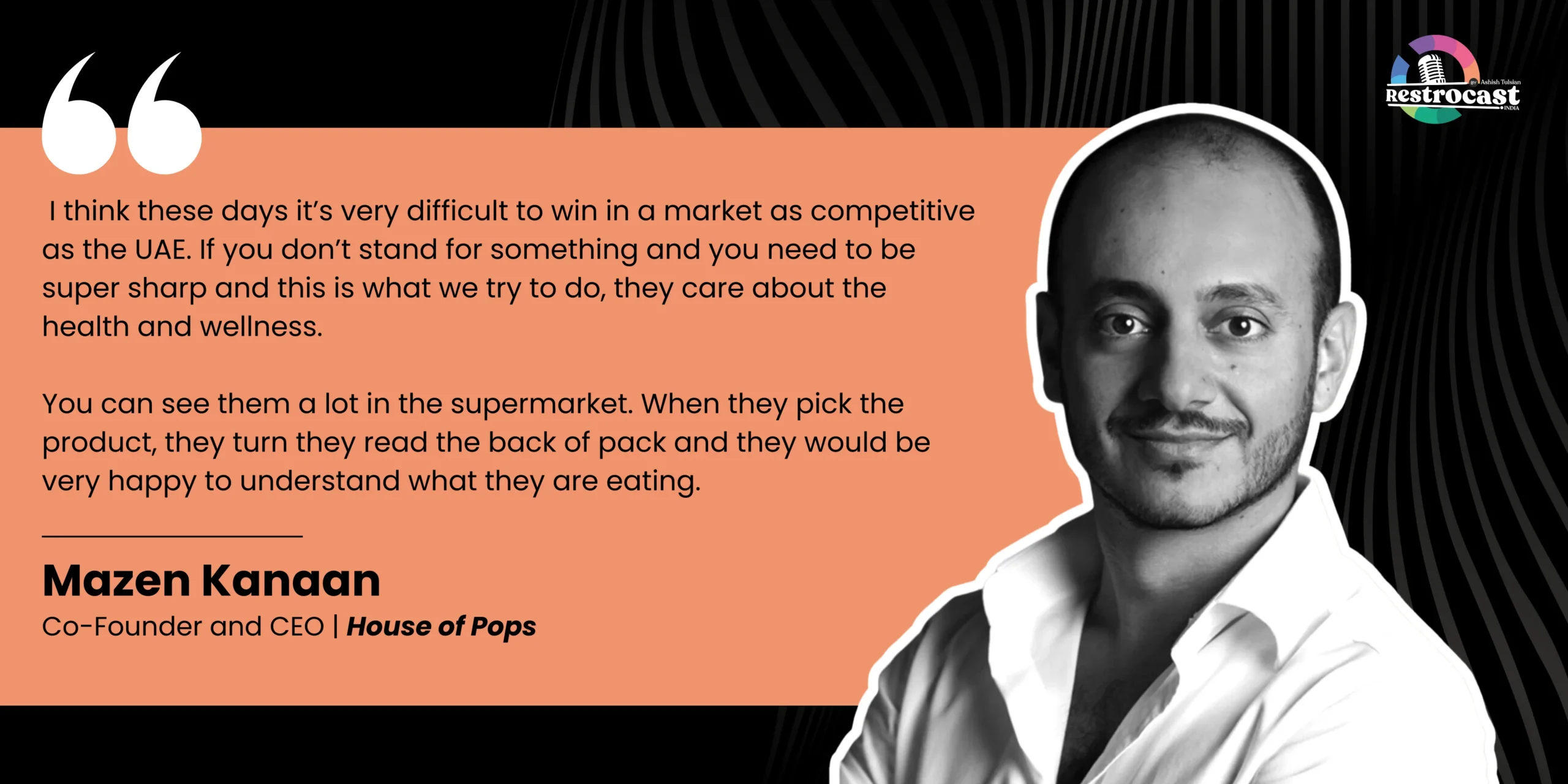
Catch-up on this interesting conversation here-
How to Validate Your Bakery Menu Before Investing?
Before you put money into a concept, packaging, or a full setup, testing your new bakery concept and menu with a small group of people is a good idea to determine viability. Here are a few ways to validate your unique bakery products-
- Pre-order testing: Start by taking orders before you officially launch. You can do this with friends or family, or sell at events. This tells you two things quickly: what people are willing to pay for, and if they enjoy the taste and quality.
- Limited menu launches: Instead of building a comprehensive menu, launch with 2-3 unique products. It forces you to focus on a few items, manage operations easily, and makes it easier to see what sells.
- Market research and competitor analysis: Before finalizing your idea, do some market research to see what’s already working around you. Understand the operations and menus of nearby bakeries, home bakers, and even delivery platforms. This will help you see any gaps in the market and understand where your idea can realistically fit.
- Social media demand testing: Go on social media to see if there’s interest and demand for the bakery concept you’re planning. Which baked goods are people saving, sharing, or talking about?
- Free samples: Offer free samples to a small, relevant group, such as friends of friends, local communities, or potential customers, and ask for honest feedback. Pay attention to what they say, and use these insights to polish your concept.
How to Choose the Right Bakery Business Idea?
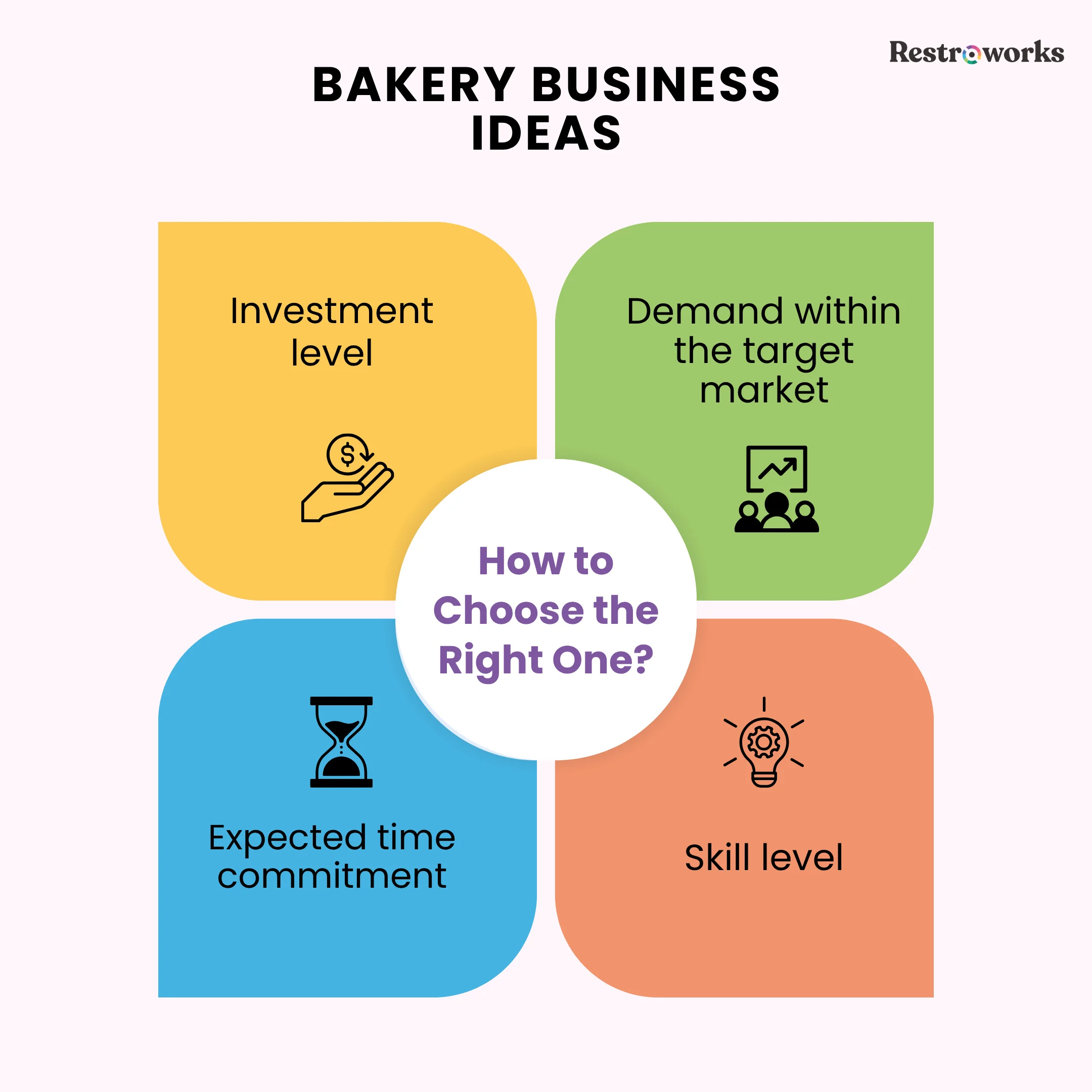 Here are a few things worth thinking through before you decide:
1. Investment
Think about the investment you’re willing to put in. More importantly, how much are you okay risking in the beginning? A home bakery business, a YouTube channel, or a mobile bakery model lets you test things at a low set-up cost. On the other hand, a full retail setup with specialized products and equipment requires more capital.
In most cases, starting smaller gives you room to adjust. You figure out what sells, where you’re spending too much, and what actually needs investment.
2. Target Market Demand
It’s easy to get excited about an idea, but demand decides whether it works. Spend some time observing what people around you are already buying. Look at local businesses, online listings, and even customer reviews. If something is already popular, there’s demand. If something is missing or poorly done, that’s a gap you can fill.
3. Time Commitment
Different bakery ideas require different levels of commitment. With a YouTube channel or online baking classes, you may only need to spend a few hours a day to record or teach lessons. A home bakery business also gives you some level of flexibility to operate during certain hours.
But if you choose a retail bakery setup and want to sell custom cakes, specialty products, or event catering, you will be baking and managing the business around the clock.
4. Skill Level
Your baking skill level and expertise can also impact which bakery business you can start. If you’re starting out, things like cupcakes, brownies, breads, or simple cakes are easier to manage. The process is straightforward, and it’s easier to keep results consistent.
Compare that with specialty products like French pastries or specialty breads, and you know they need a higher skill level and more practice. Even with something like a vegan bakery, you may need time to perfect the use of ingredients.
A simple way to approach this is to start with what you can already do well, keep the menu small, and then expand once you’re more confident.