
How to Start a Bakery Business?
The bakery industry continues to grow as customers look for fresh, artisanal, and specialty baked products. Not sure where to get started? Check out the Build Your Bakery Podcast with Jonica Thompson to get into the A to Z of starting a bakery.
Whether you plan to open a neighborhood bakery, launch a niche dessert concept, or start a bakery and cafe hybrid business, success depends on understanding what your local market actually wants and building your offering around it.
Here are the various steps to opening your retail or home baking business–
1. Choose from 6 types of Bakery Format
The type of bakery you choose to operate will impact everything from start-up costs to daily operations and target customers. You can choose from several bakery formats, and each has unique advantages and drawbacks. Choose a model that aligns with your budget, lifestyle, and long-term goals. Some of the common bakery models include:
A. Home Bakery
For 43% of home bakers, baking brings them a sense of comfort. And with a home bakery, many are now turning their passion into a profitable business.
It operates from a residential kitchen and typically focuses on made-to-order products such as custom cakes, cookies, or specialty baked goods.
This format allows bakers to start small and build a customer base before expanding into larger operations. Take it from Chef Amanda Schonberg, who helps bakery businesses understand how start and grow the business and scale and expand with digital products in the Baking for Business Podcast.
- Pros: Lower startup costs, flexible working hours, and the ability to start small.
- Cons: Limited production capacity, potential zoning restrictions, and difficulties in scaling.
- Ideal For: Bakers with limited initial capital who want to test the market with minimal risk
B. Online-Only Bakery
An online-only bakery sells products through websites, social media, or delivery platforms without a customer-facing retail space.
- Pros: Reduced overhead costs (no need for a physical storefront), access to a broader customer base, and the ability to operate from home or a commercial kitchen space.
- Cons: Reliance on shipping and delivery logistics, competition with established e-commerce platforms, and potential issues with food freshness during transit.
- Ideal For: Entrepreneurs leveraging digital marketing and social media to reach customers.
The Protein Bakery is one of the first online bakeries in the U.S. and a great example of how you can build a bakery business online with a clear niche. Founder Stephen Lincoln built the brand around a specific gap in the market: indulgent baked goods that still cater to health-conscious lifestyles.
Instead of traditional pastries, the bakery focuses on protein-rich cookies, brownies, and blondies that appeal to fitness enthusiasts and busy professionals looking for better-for-you treats.
Started in 1999, the business initially accepted orders via calls and emails and grew through targeted word-of-mouth in fitness and acting communities, where Lincoln would give the baked goods for free. This niche positioning helped the brand gather direct feedback and build a loyal customer base through digital channels before eventually expanding into a physical storefront in New York.
C. Storefront Bakery
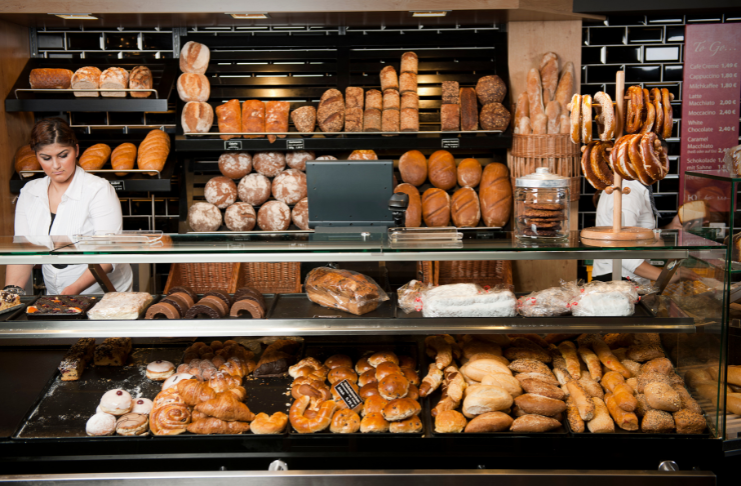
A storefront bakery operates from a physical retail location where customers can walk in and purchase baked goods directly. This format focuses on product display, foot traffic sales, and brand visibility in local markets.
- Pros: Direct customer interaction, ability to build a local customer base, and the potential for walk-in traffic.
- Cons: Higher startup and operational costs (rent, utilities, staff), need for a prime location, and greater competition.
- Ideal For: Bakers looking to create a community presence and provide a tangible customer experience.
D. Mobile Bakery and Food Truck
A mobile bakery or food truck operates by selling baked goods from a moving setup, allowing businesses to serve customers at events, markets, and high-footfall locations. This way, owners get the flexibility of location and can reach different customer segments without committing to a fixed retail space.
- Pros: Flexibility in location, lower overhead costs compared to a storefront, and the ability to participate in events and festivals.
- Cons: Limited space for baking and storage, reliance on good weather, and the need for regular maintenance of the vehicle.
- Ideal For: Entrepreneurs who want to bring their baked goods to various locations and attract different customer segments.
E. Counter-Style Bakery
A counter-style bakery focuses on takeaway sales, where customers walk in, select products, and order at the counter. This format requires limited space since it operates without a dining area and emphasizes speed, product variety, and high daily footfall.
- Pros: Lower space and staffing requirements, faster service, and higher customer turnover potential.
- Cons: Limited opportunities for upselling dine-in experiences and lower average ticket size compared to café-style formats.
- Ideal For: High-traffic urban areas, transit locations, and bakeries focused on takeaway breads, pastries, and quick desserts.

F. Bakery and Café Hybrid Format
A bakery and café hybrid combines fresh baked goods with beverages and meals beyond baked goods, with seating space. Customers can purchase takeaway items or stay to enjoy coffee, desserts, or light meals, helping increase average order value.
- Pros: Higher revenue potential per customer, stronger brand experience, and more opportunities for repeat visits.
- Cons: Higher startup and operating costs due to seating space, additional staff, and expanded menu complexity.
- Ideal For: Neighborhood locations, lifestyle districts, and bakeries looking to build strong customer loyalty and brand presence.
3. Choosing the Right Location for Bakery Setup
The location of your bakery is highly significant as it affects your visibility, foot traffic, and operational efficiency. Here’s a deeper look into the key factors involved:
Visibility and Foot Traffic: Connect with a real estate agent to find a location in a high-traffic area, like a bustling shopping district or near office buildings, to increase your bakery’s exposure and attract walk-in customers.
Many successful bakeries are found in popular retail areas or neighborhoods with heavy pedestrian traffic. Additionally, a retail space near other food businesses, like cafes or restaurants, can create a food-friendly area that draws more customers.
Target Demographics and Community Fit: Research the local demographics and community preferences. For example, if the neighborhood has a family-oriented vibe, offering kid-friendly products and seating might be a good fit. On the other hand, a location near a college campus might benefit from focusing on trendy or affordable offerings that appeal to students.
Layout Design: A well-designed layout should include separate zones for customer service, product display, and production. This makes it easier to manage customer flow and avoid blockages.
4. Determine the Costs and Secure Funding
When starting a bakery, there are several cost factors, such as leasing a commercial space, getting insurance, hiring and training staff, stocking your kitchen, and paying for utilities.
Consequently, you will need substantial capital to cover these expenses, with average costs for a small bakery ranging from $15,000 to $50,000, depending on the setup and location.
Additionally, it may take several months for your bakery to become profitable, so it’s crucial to have enough cash on hand to cover costs during this period.
If you’re exploring how to open a bakery with limited financial investment, here are three common financing options for a business owner:
Business Line of Credit: A business line of credit operates similarly to a credit card. You’re approved to use up to a certain amount and only pay interest on the amount you use. As you repay the balance, more credit becomes available. However, lines of credit typically offer less funding than other loan types and have higher lending standards.
Small Business Loan: Small business loans, often facilitated by the Small Business Administration (SBA), are designed to support small businesses with startup capital. These loans generally feature lower interest rates and are accessible to individuals with borderline credit. They require collateral and might take longer to be approved than other types of loans.
Equipment Financing: Bakeries require significant equipment, making equipment financing a viable option to cover upfront costs. Since the equipment is collateral, these loans are generally easier to qualify for than other funding options.
5. Fulfill the Legal Requirements for Your Bakery
Each state has its own bakery regulations, so it’s essential to consult your local government to check the business licenses and permits required to start a bakery in your area.
Your city or county may also have specific business license and permit requirements, such as a general business license, a food service permit, and a health department license. Review the government websites for your state, county, and city to ensure you have all the necessary documentation.
The requirements will vary depending on the type of bakery you plan to open. For instance, home bakeries are covered under the Cottage Food laws, the regulations of which vary from one state to another.
In general, the licenses and permits required to open a bakery include:
Food handler’s license
Sales Privilege license
Catering license
Zoning laws and permits
Kitchen health and safety inspection from the health department
6. Register for Taxes and Acquire an EIN
Every restaurant business, including bakeries, has unique tax, licensing, and employer requirements. Understanding these before launch helps you avoid costly delays or compliance issues.
Your business entity will affect how you are taxed, so consulting a tax professional early can help you understand obligations and complete paperwork correctly.
Obtaining an Employer Identification Number (EIN) is essential if you plan to hire employees. You can apply for an EIN through the IRS, and it is required for filing business and payroll taxes, opening business bank accounts, and applying for loans.
Even if not mandatory, having an EIN helps separate personal and business finances and supports building business credit.
7. Buy Essential Bakery Equipment
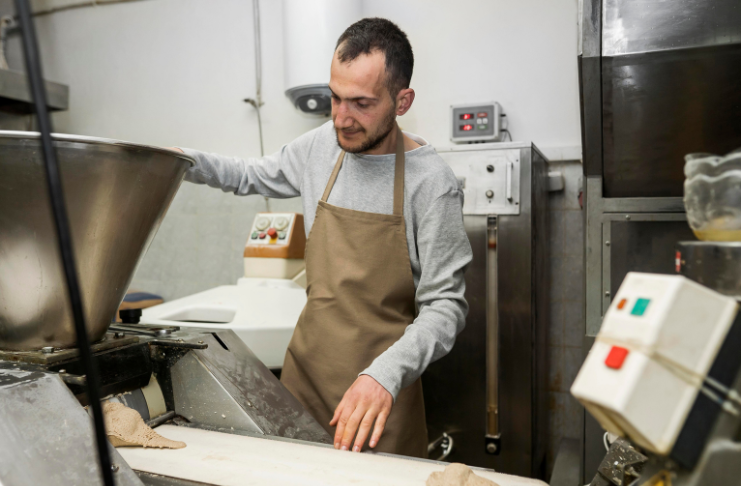
Purchasing high-quality bakery equipment is important for better product quality, faster production speed, and higher daily workflow efficiency.
Instead of buying everything at once, focus on equipment that supports your core menu and production volume. This helps control upfront costs while ensuring you can meet daily demand without delays.
Most bakeries typically start with a few critical equipment categories-
Production Equipment: Commercial ovens, mixers, and proofers form the backbone of most bakery operations.
Storage and Refrigeration: Refrigerators, freezers, and ingredient storage units help maintain product quality and reduce spoilage.
Preparation and Finishing Tools: Work tables, baking trays, cooling racks, measuring tools, and small equipment support daily prep and consistency.
Display and Service Equipment: If you’re planning to open a retail bakery with counter-style or sit-down service, you’ll need to invest in display cases, POS systems, tableware, and packaging materials to support customer-facing sales.
Investing in reliable, durable equipment early helps reduce maintenance costs and supports consistent product output as your business grows.

8. Hire and Train Staff
To effectively staff your bakery, it’s essential to define the roles required, balance labor cost, and create a supportive environment that encourages productivity and retention. Here are some tips for hiring bakery employees:
Types of Roles Needed: Based on your place’s signature offerings, you’ll need to hire bakers, counter staff, baristas, delivery personnel, cashiers, and bakery managers.
Post Jobs: Post job openings on various platforms, including job boards, social media, and local community centers. Networking within the industry can also help find potential candidates.
Create a Positive Work Culture: Foster a culture that values teamwork, creativity, and employee well-being. Offering fair wages, consistent schedules, and opportunities for professional development can attract and retain top talent. In fact, 2026 data suggests that the customer retention rate in bakeries sits at 38%.
Training: Provide detailed training on your bakery’s recipes, equipment, customer service practices, and operational standards to ensure consistency and quality. Teach employees to handle multiple roles (e.g., counter staff learning basic baking skills) for flexibility and smoother operations during busy times.
Offer Learning Opportunities: Encourage employees to attend workshops, take online baking courses, or participate in competitions to enhance their skills.
Employee Costs: Staff salaries are a major cost for bakeries, with median annual wage for bakers was $36,650 in May 2024. Account for these costs and consider offering additional benefits like health insurance, paid time off, or bonuses to attract skilled workers. While optional for small bakeries, these can differentiate you as an employer of choice.
At the same time, it is also important to allocate a budget for training, including costs for onboarding materials, time for senior staff to mentor new hires, and any external courses or certifications.
9. Develop Your Bakery Menu
The menu is the cornerstone of your bakery. While your marketing and advertising efforts will attract customers, the items they find on your menu will keep them coming back week after week. Here are a few pointers to consider:
Consider a Specialty: When planning to open a bakery, specialize in a category. Will you focus on wedding cakes, French pastries, Korean desserts, or Brazilian sweets?
Consider offering a balanced product mix, such as pastries, cakes, cookies, and bread, while ensuring your menu stays competitive with other local bakeries. Identifying a specialty can set your bakery apart and attract customers looking for unique offerings.
Brainstorm and Organize: Start by listing all menu ideas, then group them based on ingredients, prep requirements, and equipment needs.
Many successful bakeries also keep a tight, signature-focused menu to control costs and maintain consistent quality while still offering enough variety to attract different customer segments.
Research the Market: Examine what your competitors are offering. Look for gaps in the market that you can fill or trends you can capitalize on. This could involve offering gluten-free options, vegan desserts, or introducing innovative flavors and ingredients that your competitors need to improve.
Use Menu Design Strategies: Once your ideas are organized, use effective menu design strategies to craft a menu that will boost sales and attract new customers. Your menu should feature a mix of signature offerings and bakery staples. Balance classic pastries and baked goods with unique items specific to your theme or specialty.
EXPERT OPINION
10. Track Your Inventory
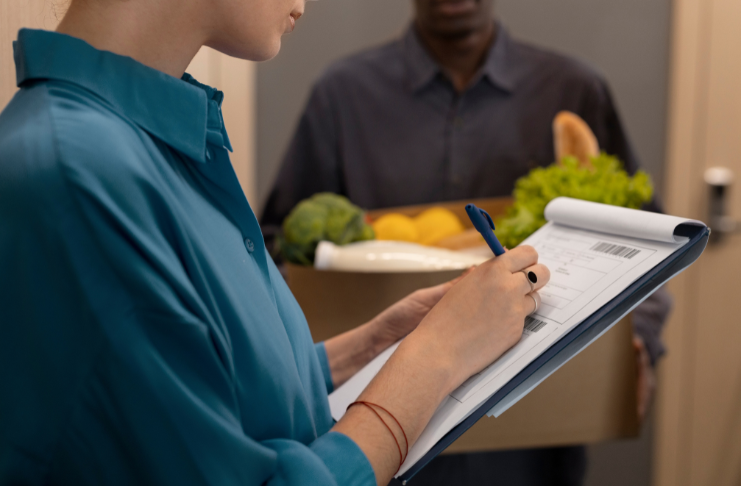
With your menu items finalized, it’s time to purchase the necessary ingredients and products. The first step is to decide where to source your supplies.
You can choose from wholesale food suppliers or local vendors, depending on availability and pricing in your area. Always review supplier reliability and check feedback from other businesses before finalizing partnerships.
Overcoming supplier delays and miscommunications can be particularly challenging for new businesses. To avoid these pitfalls, partner with suppliers you trust and respect.
It’s also important to consistently track your inventory shipments using restaurant inventory management software. This ensures you are always aware of your stock levels and can manage your supplies effectively. Additionally, it’s wise to create a backup plan to handle any potential delays. This might include having alternative suppliers or maintaining a safe stock of essential items.
11. Invest in a Bakery Point of Sale System
Selecting the right POS system for your bakery’s operations is a significant decision. The best POS system for emerging bakeries should be user-friendly, scalable, and capable of growing alongside your business. The system should also streamline the payment process for both guests and staff, enhancing the overall customer experience.
Streamlined Operations: A POS software simplifies order-taking and inventory management. With a user-friendly interface, bakery staff can quickly process orders, reducing errors and speeding up service. The software also allows for real-time menu updates, ensuring customers see the latest offerings.
Inventory Management: Managing bakery inventory can be challenging, but a POS makes it more accessible. The software helps track ingredient levels, manage stock, and automatically reorder supplies. This ensures you always have essential items and maintain consistent product quality.
Customer Experience: The software lets you personalize customer interactions by tracking preferences and order history. This enables you to offer tailored recommendations and improve customer satisfaction.
Financial Management: You can get access to detailed financial reports and analytics, helping you monitor sales, track expenses, and manage cash flow. This information is vital for making informed business decisions and ensuring profitability.
Integration and Flexibility: Most POS software integrates seamlessly with other tools and platforms, such as online ordering systems and accounting software. This flexibility allows you to manage all aspects of your bakery business from a centralized system.
Build a Marketing and Advertising Strategy for Your Bakery
Creating a unique brand and engaging marketing strategy for your bakery is essential for attracting customers and building loyalty. Here’s a breakdown of the key elements involved:
A. Creating a Brand
Logo and Aesthetic: Develop a logo, color palette, and storefront design that reflects your bakery’s vibe—whether cozy, artisanal, or modern.
Brand Values: Communicate what makes your bakery unique, such as organic ingredients or global-inspired flavors, to connect with customers personally.
B. Digital Marketing
Social Media: Platforms like Instagram, Facebook, and TikTok are perfect for sharing photos of baked goods, “behind-the-scenes” videos, and stories. This helps attract attention and build excitement around your products.
Local SEO: Optimize for local search by creating a Google My Business profile, listing your bakery’s location, hours, and contact information, and encouraging customers to leave reviews. Use keywords on your website and social media that local customers might search for, like “bakery near me,” “best pastries in [city name],” or “gluten-free bakery options.”
Engaging Content: Post consistently with content that adds value, such as baking tips, recipe snippets, or staff highlights, to keep customers interested and connected.
C. Customer Engagement
Newsletters: Use email newsletters to share updates on new items, seasonal products, and exclusive discounts to stay in touch with customers.
Loyalty Programs: Implement a loyalty program to reward repeat customers and encourage more frequent visits.
Seasonal Promotions: Offer limited-time deals and birthday discounts to drive traffic, especially during slower periods.
That said, running a successful bakery doesn’t stop at launch, and it’s not easy. Learn from Rob and Jen Morris, and their journey of building a profitable bakery business from home in The Food Blogger Pro Podcast.
Continuously evaluating your bakery’s performance and customer feedback is important for making improvements and adapting to the market.
Case Studies and Success Stories
Here are a few inspiring examples of successful U.S. bakeries that started as small startups and scaled their operations through unique strategies:
- Pastreez: Pastreez is an online bakery specializing in authentic French macarons, founded by Anthony Rosemond, a Parisian chef, and his wife.
- Strategy: They conducted market research to validate the demand for macarons in the U.S. They focused on organic growth through SEO and reaching out to related blogs for reviews and mentions. They avoided discounts but offered freebies and diversified their business with new products and content on social media.
- Success: Pastreez achieved $300K in annual sales.
- Strategy: They conducted market research to validate the demand for macarons in the U.S. They focused on organic growth through SEO and reaching out to related blogs for reviews and mentions. They avoided discounts but offered freebies and diversified their business with new products and content on social media.
- Bradford Bakery: Bradford Bakery, founded by Amanda Bradford, offers a variety of baked goods catering to the Texas market.
- Strategy: Amanda used her culinary expertise and access to affordable ingredients to create a menu that resonated with local tastes. She used word-of-mouth marketing, strategic community involvement, and SEO to grow her business.
- Success: Bradford Bakery saw a 550% increase in SEO and a growing client list, achieving $48K in annual sales.
- Strategy: Amanda used her culinary expertise and access to affordable ingredients to create a menu that resonated with local tastes. She used word-of-mouth marketing, strategic community involvement, and SEO to grow her business.
- Moco Choco: It is a bakery that focuses on chocolate-based treats.
- Strategy: They identified a niche market for high-quality chocolate desserts and used social media to showcase their products. They engaged with customers through interactive content and promotions.
- Success: Moco Choco reached $30K in annual sales.
Starting a bakery is an exciting and rewarding journey that combines passion, creativity, and business spirit. From building a solid business plan to perfecting your recipes, each step brings you closer to opening the doors of your dream bakery.
As you navigate this path, remember that attention to detail, a commitment to quality, and a deep understanding of your market are key to success. Moreover, by staying innovative, embracing trends, and continuously engaging with your community, you can carve out a niche in this competitive market.