
Building and scaling restaurant brands is rarely about one big idea. It’s about thousands of small decisions done consistently: how you design the product, how you execute in-store, how you lead people, and how you hold the line on values when the pressure is highest.
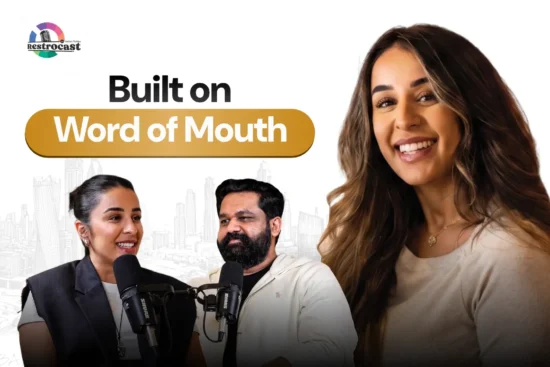
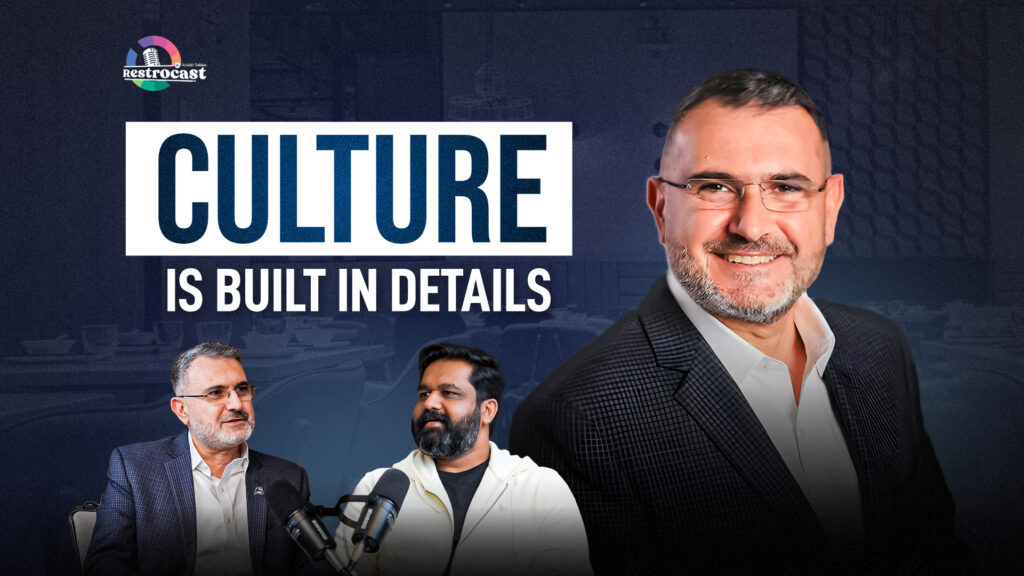
In this candid conversation, Ashish Tulsian speaks with Joseph Chartouni, CEO at Al Sayer Franchising in Kuwait, about the lived experiences that shaped his leadership, the difference between marketing and communication, and why operational excellence is the true “fulfillment” of any brand promise.
Joseph, for people meeting you for the first time, what are you doing today?
Joseph: I’m currently CEO at Al Sayer Franchising in Kuwait. We operate brands like Caribou Coffee and Five Guys, and I joined in January 2023. What stood out early was how aligned our values felt, and how “family” the business is in the way people show up for each other.
Your story has “resilience” written all over it. Where did that begin?
Joseph: I was born in Lebanon, but Kuwait has always been a big part of my life. With the civil war in Lebanon, I had to keep adapting, sometimes switching schools once or twice a year just to stay on track. That experience wired resilience into me early, and it’s been a theme ever since.
Define marketing the way you see it today, especially for restaurants.
Joseph: Marketing is not just communication. You start with the product, innovation, R&D, and what the customer is becoming. Then you build the idea and the communication, but the real game is the journey and the fulfillment. In restaurants, “fulfillment” is operations: the experience in-store, the SOPs, training, quality assurance, and food safety.
Give me a simple example of “marketing as a life benefit,” not a slogan.
Joseph: When I worked on coffee (like Nescafé), the point wasn’t “caffeine.” Coffee is an enabler: studying, productivity, connecting with someone, even comfort. Once you see the life benefit, you stop selling features and start designing the product, messaging, and experience around real moments in the customer’s day.
You’ve mentioned your father influenced that value system. What’s the story?
Joseph: My father set the bar for Integrity (My agency) through actions, not speeches. When times got tough, he sold assets and came back to pay debts instead of running away. That reputation mattered to him, and it shaped how I made choices later, even if it cost me business sometimes.
You “took restaurant concepts to life” before joining Americana. What did that look like?
Joseph: I approached a restaurant like a marketer: start with the story, then the concept, then the details. I worked on Verdura, brought in specialists, even a Croatian architect, and designed a concept inspired by Mediterranean “sea countries.” The point was to build a real identity, not just a menu.
You joined Americana as a marketer, but ended up running operations. How did that switch happen?
Joseph: I applied for a marketing role, but they saw leadership qualities and gave me a much bigger mandate. Overnight, it became about leading thousands of people across geographies and learning operations and finance in a very finance-led environment.
You’ve said leadership was the real unlock in 2017. What did you do differently?
Joseph: I didn’t walk in with a “fire list.” In a legacy business full of veterans, I needed continuity and knowledge. So I worked with HR to identify winners, traveled to meet teams across markets, recognized people, listened, and gave everyone a fair chance. Time filters who joins the new culture.
You mentioned Krispy Kreme hitting an all-time high. What helped you get there?
Joseph: It was a mix of focus, operational discipline, and building strong partnerships, including with Krispy Kreme International. I also learned a lot from leaders who had grown up in global systems, and that learning loop improved how we executed locally.
Post Americana, you jumped into cloud kitchens. What was the Icon story?
Joseph: I set up Icon in Saudi post Americana. It was during Covid, so we built remotely from Dubai at first, navigated travel restrictions, and set up from scratch. The founder team gave equity, we hired without even having an office initially, and later the company was sold.
You also said you learned finance in Americana. Why is that important for leaders in restaurants?
Joseph: Because P&L discipline is what keeps strategy real. In a finance-led company, you learn how to speak numbers, defend decisions, and link actions to outcomes. It makes you a better operator, not just a better storyteller.
Coming back to today: when you say “small things create big impact on culture,” what do you mean?
Joseph: Culture is built in details: how you recognize people, how you run meetings, how consistent you are, what you tolerate. Leaders should think like owners, but also build systems that support people so execution doesn’t depend on heroics.
If you had to leave the audience with one operating principle, what would it be?
Joseph: Put the product and customer in front, then execute relentlessly. Great ideas don’t survive weak operations, and strong values are not “soft,” they are how you earn trust when the pressure is highest.
Conclusion
Joseph’s story ties together a few truths operators and restaurant leaders learn the hard way: resilience is built long before the title, marketing starts with product and ends with operational fulfillment, and culture isn’t what you say, it’s what you consistently do.
If there’s one takeaway for leaders trying to scale, it’s this: build around the customer, respect the fundamentals, and execute with discipline. Because in restaurants, the best strategy still fails if the floor experience, people systems, and quality standards don’t keep up with the promise.