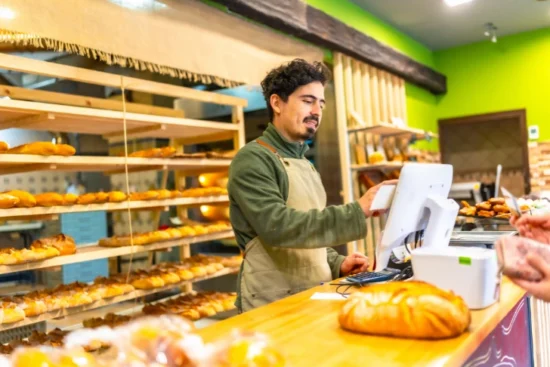


How Big Are Food Safety Issues in Restaurants?
Food safety risks in restaurants represent a measurable and recurring public health challenge. Data from health agencies consistently show that a significant share of foodborne illness cases, hospitalizations, and outbreaks originate in the commercial food service industry.
Understanding the scale of this issue is critical for restaurant operators, as these figures directly shape regulatory scrutiny, operational risk, and consumer confidence.
A. Scale of Foodborne Illness Linked to Food Service
Foodborne illness remains a major public health concern, and restaurants are a common point of exposure. In the U.S., foodborne diseases cause around 48 million illnesses each year, leading to about 128,000 hospitalizations and 3,000 deaths.
A large share of these cases is linked to food prepared outside the home, including meals from restaurants, cafés, and commercial kitchens.
The global picture is even more severe. Unsafe food causes an estimated 600 million illnesses and 420,000 deaths every year, showing how widespread the risk remains across food service settings.
B. Outbreaks and Severity Indicators
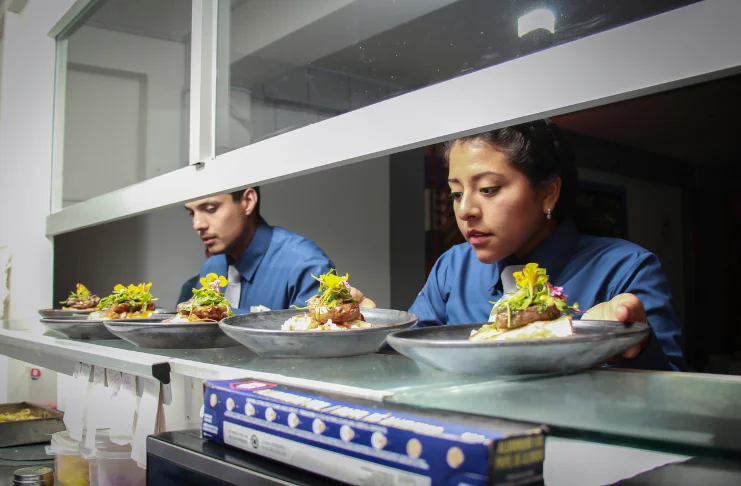
Surveillance data show that restaurants are a frequent setting for foodborne illness outbreaks-
- Around 44% of reported foodborne disease outbreaks are linked to food prepared in restaurant or commercial food service settings.
- Norovirus and Salmonella account for a large proportion of outbreaks tied to improper handling, time-temperature issues, and hygiene lapses.
- While many cases are mild, eating contaminated food can lead to severe outcomes like hospitalizations, regulatory action, and long-term brand damage.
C. Economic and Business Impact
The financial implications of food illnesses for restaurants and the economy at large extend beyond public health-
- Foodborne illnesses generate over $15 billion annually in economic losses in the U.S., including medical costs and productivity losses.
- At a global level, food safety failures contribute to over $110 billion in annual losses in healthcare and lost income.
High illness incidence increases inspection intensity, raises liability exposure, and can quickly erode consumer trust. Even a single incident can disrupt operations, impact reviews, and create long-term reputational consequences, making food safety a core operational priority.
What are the Common Risk Factors in Restaurant Food Safety?
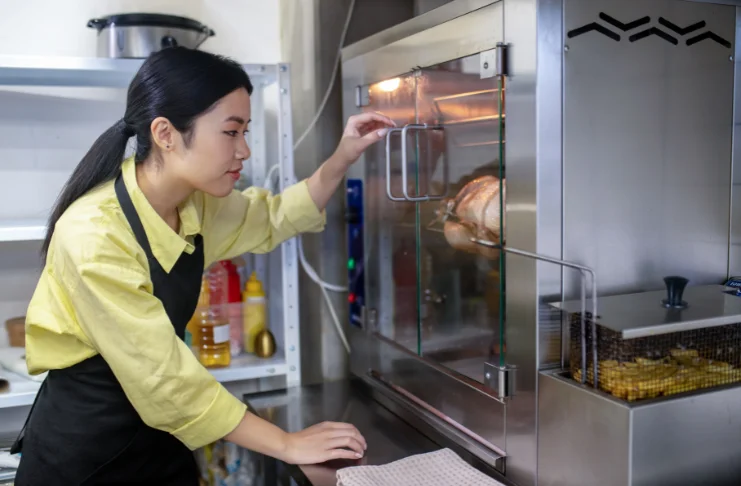
Let’s look at the most common risk factors in restaurants that can impact food safety for diners-
1. Food Handling and Temperature Control
Improper time and temperature control remains one of the most common contributors to foodborne illness. Temperature abuse is a leading factor in bacterial outbreaks during cooling, reheating, and hot holding, accounting for about 20-23% of such incidents.
In busy kitchens, rushed prep, overloaded refrigeration, and inconsistent monitoring often create gaps where food spends too long in the danger zone.
2. Cross-Contamination
Cross-contamination between raw and ready-to-eat foods is another recurring risk. Pathogens are frequently transferred through shared surfaces, utensils, and prep areas, especially when handling raw meat, poultry, seafood, and fresh produce.
Limited space and overlapping workflows increase this risk during peak service hours.
3. Employee Hygiene and Infectious Food Workers
Employee hygiene plays a key role in food safety. When staff skip proper handwashing or work while sick, the risk of contamination goes up, especially for ready-to-eat food. Germs can spread through direct contact, shared utensils, and frequently touched surfaces.
In fact, Data from the CDC’s National Environmental Assessment Reporting System show that contamination by ill or infectious food workers accounted for roughly 28-47% of contributing factors in outbreaks.
4. Facility and Equipment Sanitation
Clean facilities and equipment are essential for food safety in restaurant kitchens. When food-contact surfaces, utensils, or equipment aren’t cleaned often enough, germs can linger and spread between prep cycles.
Issues such as worn cutting boards, poorly maintained refrigeration units, and ineffective dishwashing practices further increase this risk. Sanitation gaps are especially problematic in high-volume operations, where rapid turnover and tight schedules can lead to inefficient cleaning.
EXPERT OPINION
Restaurant Food Safety Statistics: Consumer Expectations and Food Safety Perceptions
- 90% of diners say cleanliness is important when choosing a restaurant, making it one of the strongest decision factors before ordering or price consideration.
- 75% of customers report they would not dine at a restaurant that appears unclean, even if the food quality is rated highly.
- Consistent cleanliness influences repeat visits more than promotions or discounts for about 52% of diners.
- Nearly half of consumers expect higher hygiene standards today than before the COVID-19 pandemic, indicating a lasting shift in expectations.
- 70% of consumers say they are willing to pay more at restaurants they perceive as safer and cleaner.
- Visible cleanliness cues such as restrooms, tables, and staff hygiene strongly influence perceived food safety, even before food is served.
Food Safety Compliance for Restaurants

Restaurants are subject to routine health inspections to help reduce food safety risks. In many areas, inspections happen once a year or more often, depending on the restaurant’s risk level and past compliance record.
At an operational level, food safety compliance involves-
- Day-to-day adherence to food handling, storage, and temperature controls
- Enforcement of employee hygiene standards and illness reporting protocols
- Routine cleaning, sanitation, and equipment maintenance practices
- Ongoing staff training, documentation, and record-keeping
Priority violations like unsafe food temperatures and bare-hand contact with ready-to-eat foods typically trigger closer follow-up or immediate corrective orders.
Failing to address violations can lead to administrative actions. Health departments may impose fines, temporary closures, or operational restrictions until critical issues are resolved, often escalating with repeated non-compliance.
Conclusion
Food safety data shows that most food safety risks in restaurants occur due to operational gaps like temperature control, hygiene, sanitation, and inconsistent execution. Plus, inspection and enforcement trends reinforce that compliance is assessed on how reliably these basics are followed every day.
At the same time, consumer expectations around cleanliness and safety continue to influence where and how often people choose to dine. Together, these factors make food safety a practical operational priority. Restaurants that treat it as a routine discipline are better positioned to manage risk, maintain trust, and operate with greater stability.