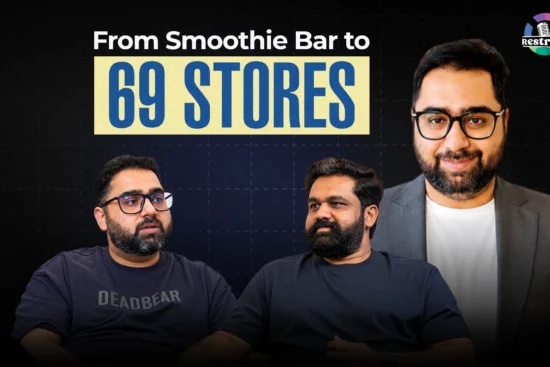
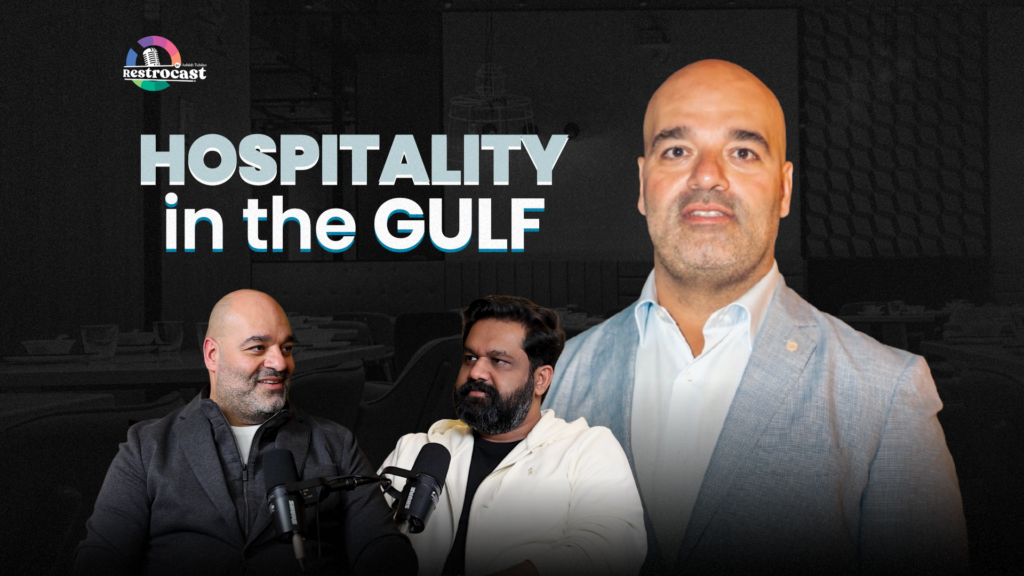

Some careers are planned. Others are earned through pressure, reinvention, and a steady climb from the ground up. In this conversation, Ashish Tulsian speaks with Samer Nasrallah, who has built his career across Beirut, Egypt, Doha, and the Gulf, moving through delivery chaos, operations leadership, and from-scratch launches. What stands out is Samer’s belief that hospitality is less about titles and more about temperament: staying calm under pressure, protecting teams from stress, and executing quality every day with obsessive attention to detail.
People don’t usually “choose” restaurants. What got you into F&B?
Samer Nasrallah: I really believe you don’t choose F&B, it happens to you. I was born and raised in Beirut, I was shy, overweight as a kid, and I was more into numbers. I wanted to study economics, but I wasn’t accepted into the university track I planned for. I didn’t want to waste a year, and my mom suggested hospitality school. I tried it, got accepted, and that changed everything..
Your first big role in Egypt was delivery and catering. What did you walk into?
Samer Nasrallah: Chaos. In 2008, there were no aggregators or apps. Delivery was fully in-house: call center, customers on hold, dispatchers in the kitchen, drivers with bikes. Lunch rush could be 150 orders, and I was 23 in a new country. After two weeks, I wanted to quit, but my operations manager reminded me I’d already done the hardest part, leaving home and starting over. That kept me going.
What took you to Doha, and what kind of work were you doing there?
Samer Nasrallah: I was approached by a British company, Global Infusion Group (GIG). They focused on sports events, on-site catering, and crew catering. I joined in early 2013 as Logistics and Catering Director. It was early-stage, so we also worked with hotels and staff canteens, and we handled major events like Doha National Day. But operating costs were high, and the timing was early, so I moved on.
Let’s talk about leadership. How would you describe your style?
Samer Nasrallah: I’m very aggressive about delivering what the concept and employer expect, especially quality. I also believe the best leaders are the ones who came up from the bottom, because you understand what it’s like on the ground. And in hospitality you play multiple roles: sometimes leader, sometimes father, sometimes mentor. Restaurants are a show, everyone has a role.
You also spoke about “politics” and diplomacy at work. What do you mean by that?
Samer Nasrallah: I mean diplomacy inside organizations. Pressure comes from the top in many forms, and your team should not be crushed by it. Your management should be your shield, and you should be your team’s shield. You absorb the stress and distribute it in a calm, fair way. If you walk into outlets angry all the time, the team feels it and performance drops.
Ladurée sounded like a major milestone. What made it so defining?
Samer Nasrallah: Ladurée was like an MBA project for me because it was truly from scratch. During COVID, opening was delayed due to paperwork and restrictions, plus challenges importing frozen macarons. So I focused on setting up the center kitchen, warehousing, and the specialized cold chain. Then we opened two locations in January 2022, within a week of each other, with a fully functioning central kitchen. The training was also rigorous, with teams trained in Paris and Dubai.
You also started a food truck business in Egypt. What was that about?
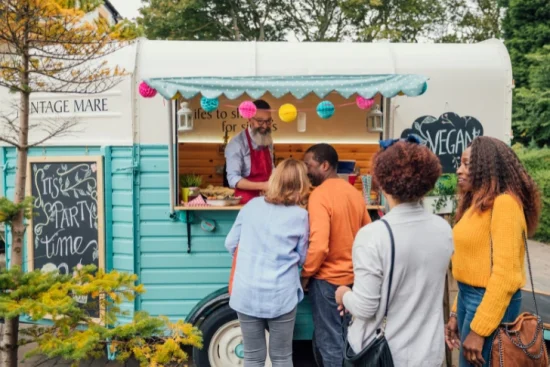
Samer Nasrallah: I launched a food truck concept named Soho, which was my childhood nickname from the Counter-Strike days. The strategy was low CapEx with assets that could be sold, because the environment wasn’t stable. I designed it with that in mind, built it, grew it, and when we decided to leave, I sold it with no financial loss. It was my first full owner experience, and it taught me ownership is harder than being on payroll.
What’s new for you at Patchi compared to your earlier roles?
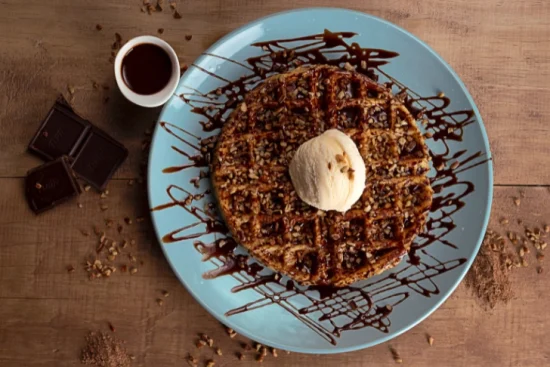
Samer Nasrallah: The retail side. Patchi is a chocolatier, so chocolate is the core business and the café supports it. The challenge is that people’s default perception is “Patchi equals chocolate.” We work to maintain the chocolate identity while also earning credibility as a full café destination with great coffee, desserts, and food. I’ve also learned how intensely people in Saudi appreciate chocolate, especially in high seasons like Ramadan.
Your advice for newcomers entering hospitality as employees?
Samer Nasrallah: First, know it’s an industry full of stress and it demands real skills. You must be people-oriented and strong at communication with customers, management, and teams. You also need comfort with technology, aggregators, systems. But even with tech, this is still a service business, and quality plus consistency are everything. Start from the bottom, stay down to earth, build tolerance, and genuinely love food. Train your palate, don’t just judge by looks or portion size.
And what would you tell an aspiring restaurant owner in Saudi or the region?
Samer Nasrallah: Don’t copy what looks successful. Start with a concept that fits the market and local taste. Invest in research, buy reports, do proper feasibility, talk to professionals. Choose location carefully, and be smart about size. Many new entrants go too big too early. Also ensure suppliers and supply chain exist for your concept, otherwise you’ll end up changing recipes just to survive.
Conclusion
Across every market shift and career pivot, Samer’s message stays consistent: hospitality rewards the people who can execute under pressure without letting pressure spill onto their teams. Whether it’s managing a chaotic in-house delivery operation, building systems from scratch for a premium brand launch, or balancing retail and café dynamics at Patchi, the fundamentals remain the same: stay grounded, protect quality, and obsess over the details that guests feel but never see.