

Unique to the UK market, brands from global giants to local independents compete for customers. Operators vary from well-known chains with thousands of outlets to boutique cafés with a few sites focused on speciality coffee.
With such exciting market potential, it’s vital to understand what permits, registrations, and licences are required before you open your doors.
1. Registering Your Food Business: The First Legal Step
Before you open a coffee shop, one fundamental legal requirement is that you need to register your food business with the relevant local council, whether you’re serving coffee, snacks, sandwiches, pastries, or other food and drink.
What Is Food Business Registration?
In the UK, any business that:
- sells food or drink,
- handles or prepares food, or
- stores or distributes food
…must register as a food business. This applies even if all you sell is coffee and a few packaged itemsM the law doesn’t differentiate between sizes or sales volume.
When Should You Register?
You must register at least 28 days before you start trading. It’s free to register, but late registration can lead to enforcement action from your local authority.
How to Register
Registration is done through the local council where your shop is located. Each council has a process (often online) where you provide details about your premises, planned food and drink offerings, and contact information. There’s no fee for food business registration.
Once registered, you’ll be scheduled for food safety inspections and will begin to interact regularly with food safety officials.
2. Food Safety, Hygiene, and Training Requirements
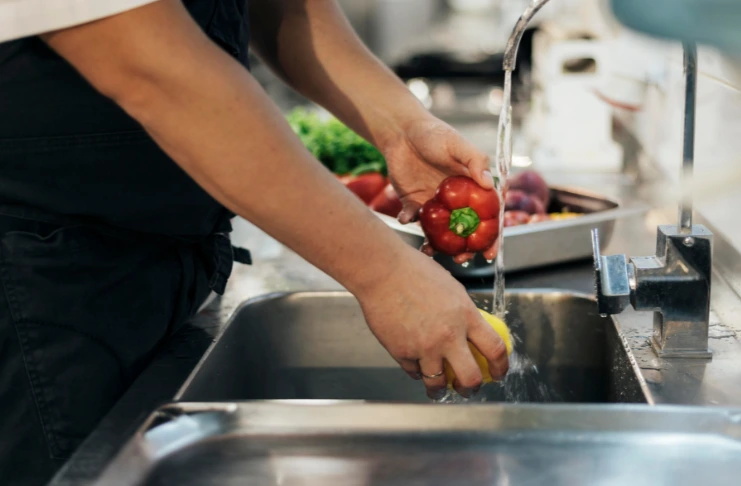
Once your food business registration is complete, the focus shifts to ensuring you comply with UK food hygiene and safety laws.
Food Safety and Hygiene Regulations
As a café business serving food and drink, you are legally required to have a strong food safety framework. For this, reliable cafe management software helps you maintain hygiene records, storage temperatures, and compliance procedures from day one. Your local council regulates this and will inspect your premises to ensure you follow:
- correct food handling procedures,
- safe storage and temperature control,
- allergen information systems, and
- cleanliness standards.
Food Hygiene Ratings
As part of compliance, food businesses are assessed and given a food hygiene rating by local authority inspectors. These ratings (usually displayed publicly) range from 0 to 5 and reflect compliance with hygiene standards, including how food is handled, stored, and prepared. High standards not only comply with safety requirements but also build customer trust.
Providing Proper Training
It is essential that all staff members who handle food are trained in the proper hygiene and safety practices. Many coffee shops choose industry-recognised certificates such as Level 2 Food Hygiene, which guarantees that staff members are aware of the most important risks and controls. Proper training will help you maintain quality and prevent any violations during an inspection.
3. Licences That May Be Required
Beyond the basic registration and food safety compliance, your coffee shop licences might include additional permissions depending on how you plan to run the café.
Premises Licence
If you plan to serve alcohol, like Irish coffee or beer to go with brunch, you will need a premises licence under the UK Licensing Act 2003. This licence is granted by the local authorities and is separate from food business registration.
A premises licence can also cover:
- late-night refreshments (food or hot drink between certain hours),
- regulated entertainment, and
- alcohol sales.
If you do serve alcohol, you will also need a personal licence for at least one person responsible for authorised alcohol sales.
Music Licence
Just playing background music, even streamed through Spotify or a radio, can require permission from music rights organisations (e.g., PRS and PPL licences). This is often overlooked, but it’s a necessary coffee shop licence if you want to create ambiance legally.
Pavement Licence for Outdoor Seating
Outdoor seating can attract more customers and enhance the café vibe, but you will typically need a pavement licence from your local council to use public space for tables and chairs. While not mandatory for indoor operations, it’s required for any seating that spills onto public walkways.
4. Health and Safety and Other Safety Regulations
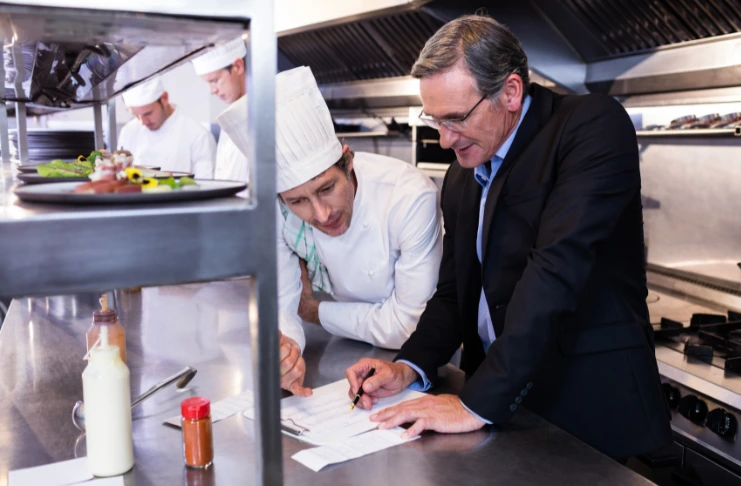
As a café owner, your duties extend beyond food safety. You must also adhere to general health and safety requirements that cover your employees and customers. These include:
* Health and safety signs and risk assessments in the workplace,
* Fire safety plans and equipment checks,
* Slips, trips, and falls prevention, and
* Access and emergency routes.
Your local authority or safety officer may inspect these aspects, and your insurance company may require written documentation. Training employees in safety procedures is also a good idea to prevent accidents.
5. Planning Permissions and Premises-Related Matters
Before opening, it’s important to clarify whether the property you intend to use is correctly classified for food service. In Britain, planning rules vary between council and if a property’s use class isn’t already appropriate for a café, you may need approval.
Often, premises already used as a café or restaurant will have the correct classification. But if you’re converting a space previously used for retail or another purpose, check with your local authority planning team to avoid unexpected delays.
6. Operating in Northern Ireland

If you are opening your café in Northern Ireland, then many of the above points will be similar, but the contacts and processes may be slightly different. You will still need to register your food business, but you will need to deal with the councils in Northern Ireland.
Some councils in Northern Ireland may also have slightly different procedures for licenses and planning permission, so it is worth checking with the relevant authority before signing the lease.
7. Typical Timeline from Planning to Opening
Here’s a practical overview of how to sequence your permits and prep work:
- Choose location and business plan – Conduct research and financial planning.
- Food business registration – Submit at least 28 days before opening.
- Develop food safety and hygiene plans – Create detailed procedures and get staff trained.
- Apply for optional licences early – For alcohol, music, and outdoor seating.
- Prepare premises and pass inspections – Work with local council to ensure compliance.
Starting these steps early helps avoid delays and ensures the café is compliant before you serve your first customer.
8. Common Challenges and Mistakes to Avoid
Even experienced café owners can make compliance errors. Some common pitfalls include:
- Registering too late — Food business registration must come at least 28 days before trading.
- Assuming no licence needed for music — Ignore background music at your peril — a music licence is often required.
- Serving alcohol without a premises licence — Selling even a single alcoholic drink without licence is illegal.
- Neglecting outdoor seating permits — Sitting customers on the pavement without permission can lead to fines.
Staying proactive, consulting with local authorities, and preparing in advance ensures your café business starts off on the right legal footing.
Conclusion
Opening a café or coffee shop in the UK is an exciting opportunity, in a market where millions of cups of coffee are consumed each day and consumers increasingly seek vibrant community spaces and food experiences. While there’s no single “coffee shop licence”, understanding the various registrations and permits, especially food business registration, food safety compliance, and optional licences, is essential.
By following this guide and working closely with your local council, you’ll be equipped to run a compliant, successful coffee business that delights customers and stands the test of regulatory scrutiny.