


About Nando’s
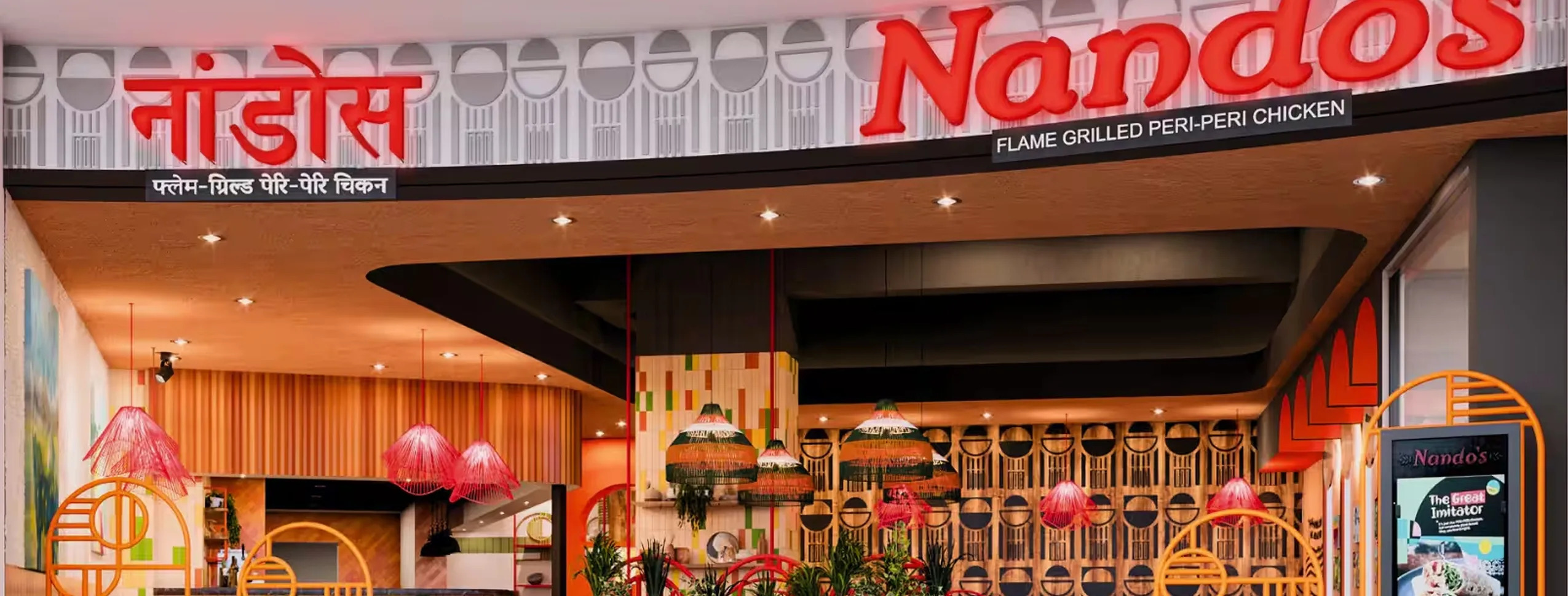
Nando’s brought its flame-grilled PERi-PERi chicken to the UAE in 2002, opening its first restaurant on Sheikh Zayed Road in Dubai. More than 20 years later, Nando’s UAE has grown to 25+ restaurants across Dubai, Abu Dhabi, Sharjah, Al Ain, and Ras Al Khaimah. It is now one of the largest and highest-performing Nando’s franchise markets in the world. The brand is known for its signature chicken, which is marinated for 24 hours and basted to each guest’s preferred spice level. It also offers UAE-specific dishes, such as the Chicken Espetada Torre, inspired by the Burj Khalifa. Founded in Johannesburg in 1987, Nando's has grown into a global casual-dining brand with 1,200+ outlets across 23 countries, and is also one of the world’s largest collectors of contemporary Southern African art, with artwork displayed across its restaurants.
The Problem
Legacy systems were making growth harder to manage
- Legacy POS system across all outlets – Each of the 25+ outlets was running the POS on its own local server. Even small updates had to be done outlet by outlet, which put a lot of pressure on the IT team as the business grew.
- Data consolidation required physical outlet visits – The team had to visit outlets or wait for reports to get performance data. By the time they had the numbers, the opportunity to act had often passed.
- Slow order prep during peak hours – During peak dining hours, kitchens had to handle large volumes of orders without a live view of what needed to be prepared. This led to longer prep times and orders piling up.
- Monthly stock checks made it hard to control food costs – Stock was checked only once a month. This meant waste and pilferage could go unnoticed for weeks, making it difficult to understand and control food cost differences across outlets.
- Every menu change meant more manual work – With a small IT team managing a growing number of outlets, routine changes were not always easy. Updating a menu or price could take days across all outlets, and reconciling information across different systems added more work.

The Solution
The technology behind 25+ Nando’s restaurants
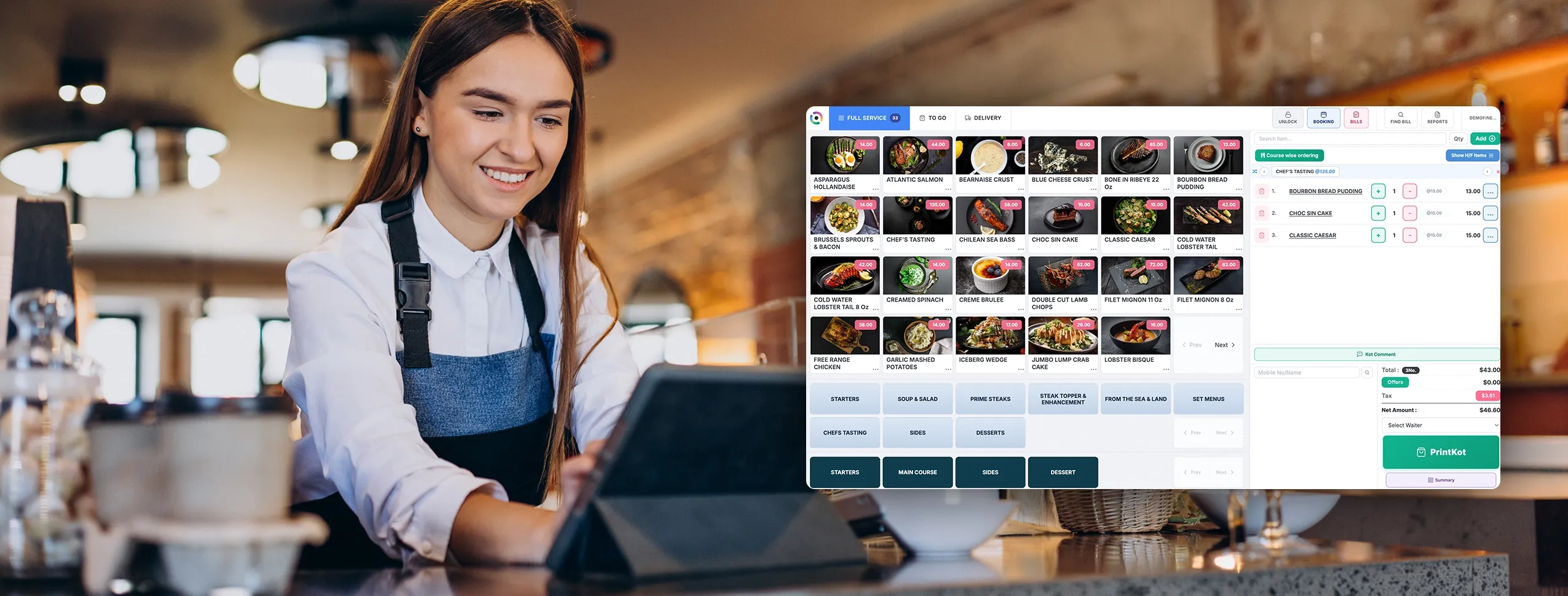
- One cloud POS across the network – All 25+ outlets moved from local servers to one Restroworks cloud platform. Menu items, pricing, offers, taxes, and payment types are managed centrally. Changes can be made once and updated across all outlets.
- Central inventory management with variance tracking – The Inventory module monitors what stock each outlet should have and what it actually has. They can track usage every week and catch any gaps early. This helps reduce food costs.
- KDS in every kitchen, with AI-powered production planning – The POS sends orders from the counter, QR, and call center, to the correct kitchen station in real time. KDS (Kitchen Display Systems) are configured for multi-station routing. Additionally, the AI-powered production planning helps the kitchen know how many chickens to have marinated and grilled at each 15-minute window through the day. Teams can prepare the right quantity based on daily sales, weekend demand, and any active offers.
- QR Ordering at the table – Guests can scan a QR code and order directly from their phones. The order goes straight into the same POS and KDS used for counter and call center orders. Guests can take their time browsing the menu, while the kitchen gets the order without any extra steps.
- AI-driven upsells on QR ordering – The AI-powered upselling suggests relevant sides, sauces, and desserts while a guest is placing their order. For example, if someone orders a peri-peri quarter chicken, the system can suggest the sides or dessert that go well with it. This allows guests to explore more and gives the team an easy way to push relevant upsells.
- Call Center Panel connected to POS, KDS, and delivery logistics – The Restroworks Call Center module manages phone orders for all 25+ outlets. The platform issues an online order number and pushes the order to the mapped location immediately. The order is now live in that location's POS. This then moves to the kitchen and is routed and assigned to the delivery partner without any extra steps. This keeps the entire process connected, from taking the order to preparing it and getting it delivered.
- Cockpit App for live view of every outlet – The Cockpit App gives the leadership team a live view of sales, orders, and outlet performance on their phones. They can check what’s happening at each location and act on the numbers without having to wait for reports.
The Outcome
80% lower IT costs, faster service, and a platform built to grow
- Up to 80% lower hardware and IT costs – Moving from local servers to the Restroworks cloud reduced hardware, maintenance, and IT costs by up to 80%. The small IT team now supports all 25+ outlets remotely from head office.
- Up to 40% faster order preparation during peak hours – Orders reach the right kitchen station in real time, while AI helps teams prepare the right amount based on demand. This has helped reduce order prep time by up to 40% during busy hours and get fresh chicken to guests faster.
- Better control over food costs – The team now tracks stock every week across all outlets. This helps them control waste, over-portioning, and pilferage early and take action quickly. As a result, food costs stay closer to target.
- Higher order values with smarter suggestions – AI-powered suggestions on QR ordering help guests discover sides, sauces, and desserts that go well with their meal. This has helped increase the value of orders across outlets.
- Every order comes through one system – Dine-in, QR, phone, and delivery orders all flow through the same POS and KDS. There is no data loss, less manual work for the team and a consistent experience for guests.
- Making expansion easier – Every new outlet can be added to the same Restroworks platform, keeping the IT setup simple as the business grows. With the Cockpit App, leaders can see how each outlet is performing from day one and make decisions using live data.